

Asia Confronts Covid-Era Energy Emergency Amid Iran War Fuel Shortages
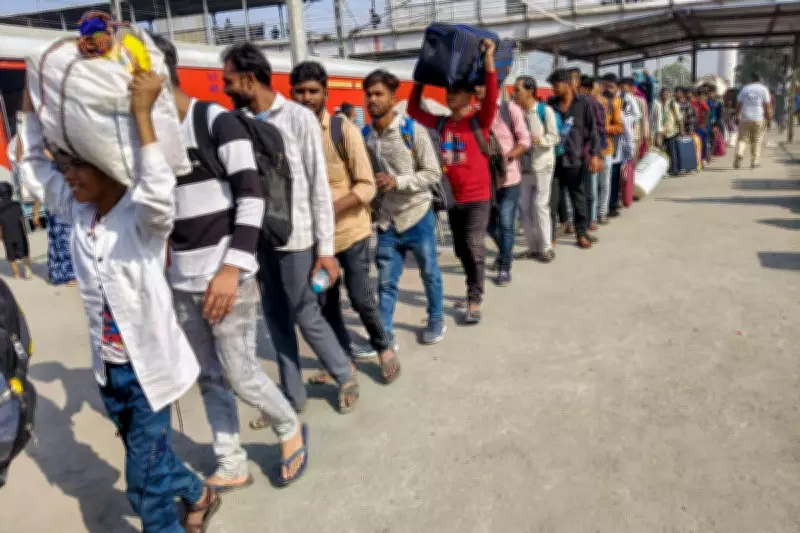
Asian nations are bracing for a crisis reminiscent of the Covid-19 pandemic as severe fuel shortages, triggered by the ongoing war in Iran, spread across the continent. Petrol stations are running dry, prompting governments to implement drastic conservation measures typically reserved for pandemics or national emergencies.
Strait of Hormuz Closure Sparks Continental Crisis
The crisis stems from the closure of the Strait of Hormuz by Tehran following US and Israeli airstrikes last month. This strategic waterway, linking the Persian Gulf to the Indian Ocean, is crucial for transporting approximately twenty percent of the world's energy supply. For Asia, the impact is particularly acute, with nearly ninety percent of its purchased crude oil normally transiting through the strait.
Governments across the region have declared national holidays, enforced work-from-home policies, reduced work weeks, closed universities, and even urged citizens to shorten shower times to conserve dwindling energy supplies. The situation has drawn direct comparisons to the coronavirus pandemic from leaders like Indian Prime Minister Narendra Modi.

"Because of this war, the difficult global situation may continue for a long time. Therefore, we must remain prepared and stay united. We have faced such challenges before as well by staying united during the coronavirus pandemic," Modi told parliamentarians.
National Responses to the Fuel Emergency
India is experiencing its worst gas crisis in decades, with the government cutting industrial supplies to protect household cooking gas availability. Delhi has invoked emergency powers to boost Liquefied Petroleum Gas (LPG) supplies for homes and established a panel to review industry requests as companies raise prices for the first time in about a year.
Japan, which depends on the Middle East for ninety-five percent of its oil imports, plans to tap 800 billion yen in reserve funds to subsidize gasoline prices. Prime Minister Sanae Takaichi has requested the International Energy Agency (IEA) to prepare additional oil releases if the conflict persists, while Tokyo has begun releasing fifteen days' worth of private-sector petroleum reserves.
South Korea has launched a public campaign urging citizens to reduce shower time, charge phones during daylight hours, and run vacuum cleaners on weekends. Energy Minister Kim Sung-hwan announced the government would actively consider work-from-home measures in consultation with relevant ministries.
The Philippines has declared a state of national energy emergency, with President Ferdinand Marcos Jr warning the conflict poses an "imminent danger" to the country's energy supply. The government has shortened work weeks in some offices, temporarily increased coal-fired generation, and purchased Russian oil for the first time in five years under a US waiver.
Regional Conservation Measures Intensify
Other Asian nations have implemented equally stringent measures:
- Pakistan closed schools for two weeks and expanded work-from-home policies for office workers.
- Sri Lanka declared a public holiday every Wednesday to stretch fuel supplies.
- Singapore urged businesses and residents to switch to energy-efficient appliances, use electric vehicles, and set air conditioners to higher temperatures.
- Thailand ordered bureaucrats to suspend overseas trips, set air conditioning above 25°C, avoid formal attire, use stairs instead of elevators, and work from home.
- Bangladesh announced early Ramadan holidays, shut down university campuses, and began implementing temporary blackouts.
International Coordination and Economic Warnings
The International Energy Agency has agreed to a record release of approximately four hundred million barrels of oil from strategic stockpiles to address the crisis. IEA executive director Fatih Birol has outlined proposals to ease oil price pressures, including working from home and avoiding air travel, citing successful implementation of similar measures by European countries following Russia's invasion of Ukraine.

Energy research firm Wood Mackenzie has warned that if the war continues, Brent oil prices could surge to $150 per barrel, potentially triggering a global recession. The crisis began on February 28 when Israel launched a pre-emptive attack against Iran, killing Supreme Leader Ayatollah Ali Khamenei and plunging the Middle East into renewed military confrontation.
US and Israeli strikes, along with Iranian retaliation, have created ripple effects across global markets, impacting sectors from shipping and air travel to oil. Analysts warn of rising energy costs and significant business disruption in the Gulf region, a critical global trade hub, as Asia continues to grapple with this unprecedented energy emergency.





