Saudi energy giant Aramco has warned that global oil reserves have fallen to critically low levels as the Middle East crisis continues, cautioning that dwindling stockpiles could leave markets increasingly vulnerable to supply disruptions amid ongoing regional tensions.
Addressing the Energy Intelligence Forum in London on Monday, Aramco CEO Amin Nasser said releasing supplies from reserves will only provide temporary support and “cannot fix” long-term supply issues. He said: “Until Hormuz fully re-opens and confidence returns, the crude reality is that pressure at both ends of the barrel will intensify,” adding that the world’s oil “supply resilience cushion” is “scarily thin.”
UK diesel prices hit record £2 per litre
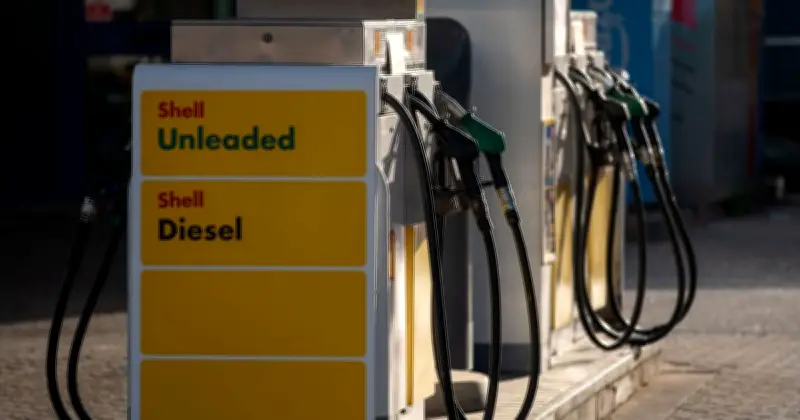
The warning comes after the average cost of diesel in the UK climbed above £2 per litre for the first time on record in recent days, according to the RAC. The motoring organisation said diesel prices have reached an average of 200.01p per litre, while petrol costs continue to rise, averaging 174.71p per litre.
The RAC warned that fuel prices are “showing no signs of slowing”, adding that the sustained increases are placing further financial pressure on motorists.
Conflict disrupts oil production and shipments
The conflict involving Iran, which started in late February and saw drone attacks on Tehran's neighbours as well as the closure of the Strait of Hormuz, has significantly disrupted the production and shipment of crude oil and refined fuel products across the region over the past seven months, driving energy prices higher around the world.
Global diesel supplies have come under additional pressure following Ukrainian strikes on Russian refining facilities, while export restrictions imposed by China on refined fuels have further tightened the market.
G7 agrees to release 100 million barrels
Mr Nasser continued: “The world entered this crisis with almost 10 billion barrels of global oil stocks … since then, nearly 3 billion barrels of gross oil supply has been lost. After the strait is fully reopened, it will still take up to two years to replenish inventories of oil stockpiles.”
At an emergency meeting last week, G7 nations agreed to release 100 million barrels of oil from strategic reserves in an effort to curb further increases in energy prices. The group also pledged not to impose export restrictions on one another, following apparent threats by US President Donald Trump to halt overseas shipments of American diesel - although the US leader later said this option was never on the table.
Analysts warned such a move could have tightened global fuel supplies and driven prices even higher worldwide, although it would have helped ease pressure on US consumers ahead of the November midterm elections. The measures are intended to stabilise energy markets and prevent further disruption amid ongoing supply concerns.
RAC policy head Simon Williams said £2 was a “price threshold no one wanted to cross”. He said: “This will be very challenging for households and companies that drive a lot of miles, from commuters, haulage and delivery firms, businesses with large fleets all the way through to sole traders.”