

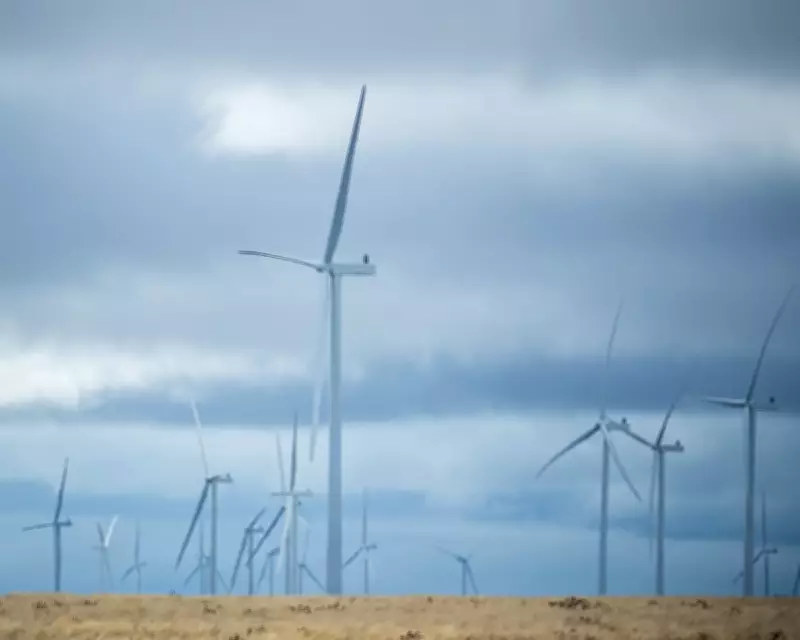
Amazon has announced a significant expansion of its renewable energy portfolio in Australia, entering into power purchase agreements for nine new projects across New South Wales and Victoria. This move is part of the tech giant's strategy to source sustainable electricity for its datacentre operations, aligning with its goal to achieve net zero carbon emissions by 2040.
Boosting Renewable Capacity
The agreements include one windfarm and ten solar and battery projects, which will increase Amazon's renewable energy sourcing in Australia from 430 megawatts to nearly one gigawatt. These power purchase agreements are contracts designed to meet the anticipated energy demands of datacentres, ensuring a stable and green power supply.
Key Projects and Investments
Among the notable projects is the Golden Plains 2 windfarm in Victoria, which began operations in 2024 and is the largest of its kind in Australia. Additionally, Amazon has invested in a solar and battery storage farm located in Muswellbrook, New South Wales, built on a former coalmine site. This marks the first time Amazon has funded solar-battery hybrid projects outside the United States.

Matt O'Rourke, Amazon Web Services' head of infrastructure and energy policy in Australia and New Zealand, highlighted the benefits of battery investment. He stated that utility-scale batteries help stabilise the grid by charging during periods of high renewable generation and discharging during peak demand times when solar or wind power may be insufficient.
Growing Concerns and Industry Response
Despite Amazon's renewable initiatives, there is increasing pushback in Australia against datacentre construction. A recent NSW parliament inquiry heard concerns from Sydney councils regarding the environmental impact, as well as the power and water usage of planned datacentres. While Amazon promotes its renewable energy purchases, the company has not disclosed specific electricity consumption figures for its datacentres in the grid.
O'Rourke defended the industry by comparing datacentre energy use to that of shopping centres, noting that datacentres facilitate the integration of new renewable energy into the grid. This comparison has been echoed by industry groups, such as Data Centres Australia, citing a Mandala report from November 2025 commissioned by major players including Amazon Web Services.
Expert Opinions and Transparency Issues
Rod Sims, chair of the Superpower Institute and former competition regulator, expressed concerns that many power purchase agreements by datacentre companies do not bring additional power to the grid but merely supply existing projects. He emphasised the need for market signals, such as a carbon price, to incentivise renewable energy construction.
Dr Hao Wang, a senior lecturer at Monash University, welcomed Amazon's investments if they add new renewables but called for greater transparency. He urged operators to disclose detailed consumption data, including temporal patterns, to better understand the impact of datacentres on energy demand.
Community and Future Outlook
Amazon has stated that eight of the nine agreements were signed during the development stage of the projects, with partners conducting extensive community consultations. The company aims to ensure that local communities benefit from the renewable energy generated.
As Australia fast-tracks datacentre developments to meet artificial intelligence demands, balancing growth with sustainability remains a critical challenge. Amazon's renewable deals represent a step towards greener operations, but ongoing scrutiny and improved transparency will be essential to address environmental and social concerns effectively.






