

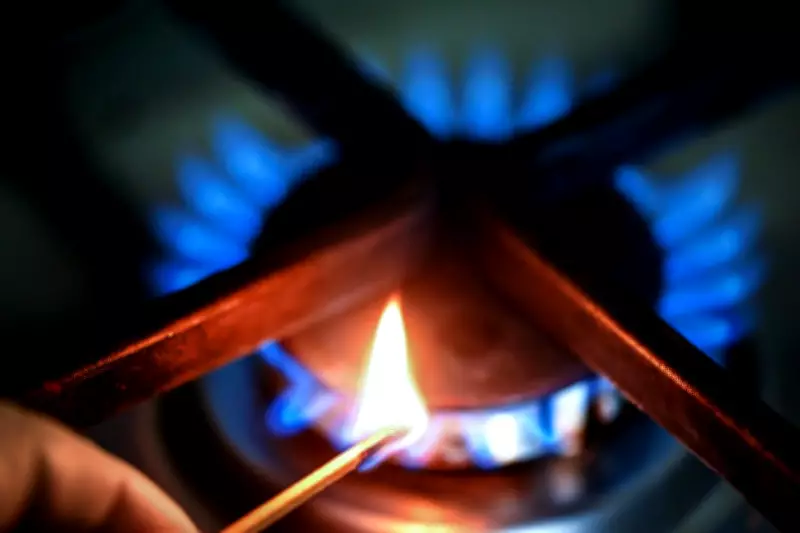
A groundbreaking study has uncovered alarming levels of chronic gas leaks in domestic kitchens across the United Kingdom and Europe, with benzene, a known carcinogen, detected in every single sample tested. The research, which analysed 72 domestic gas samples from the UK, the Netherlands, and Italy, found that 40 per cent of kitchens in the surveyed countries suffer from persistent gas leaks. This widespread issue raises significant public health concerns, particularly as benzene exposure has no safe level according to the World Health Organization.
Benzene Concentrations Far Exceed Safety Limits
The study recorded the highest benzene reading in the United Kingdom at 200 parts per million by volume (ppmv) in London. This figure is staggeringly high, surpassing the European Union's annual limit value of 1.6 parts per billion by volume (ppbv) by more than a hundredfold. Samples were also collected from other major UK cities including Edinburgh, Manchester, and St. Neots, all of which contained detectable levels of benzene. The presence of this hazardous substance in every sample underscores the pervasive nature of the contamination within domestic gas supplies.
Health Implications of Chronic Leaks
Approximately 9 per cent of homes in the surveyed nations were found to have gas leaks large enough to exceed national benzene exposure limits. Researchers calculated that benzene exposure from these larger leaks in the UK could be worse, in terms of benzene intake alone, than living with a smoker. This comparison highlights the severe health risks associated with chronic inhalation of benzene, which is linked to cancers such as leukaemia and other blood disorders. The World Health Organization's stance that there is no safe exposure level for benzene amplifies the urgency of addressing these leaks.

Regional Variations and London's High Readings
While the study covered multiple regions, London emerged as a hotspot for elevated benzene levels, with readings described as "eye-popping" by researchers. The concentration of 200ppmv in the capital city indicates a particularly acute problem that may be influenced by factors such as older infrastructure or higher gas usage. This regional disparity suggests that targeted interventions may be necessary to mitigate risks in areas with the highest exposures.
Call for Action and Public Awareness
The findings of this research serve as a stark warning to policymakers, gas suppliers, and homeowners. With 40 per cent of kitchens affected by chronic leaks, there is a pressing need for enhanced monitoring, maintenance, and public education campaigns. Ensuring that gas appliances are regularly inspected and repaired could significantly reduce benzene exposure and protect public health. As the study underscores, the invisible threat of gas leaks poses a real and present danger that demands immediate attention.






