US Civil Rights Agency Files Sex Discrimination Suit Against Coca-Cola Bottler
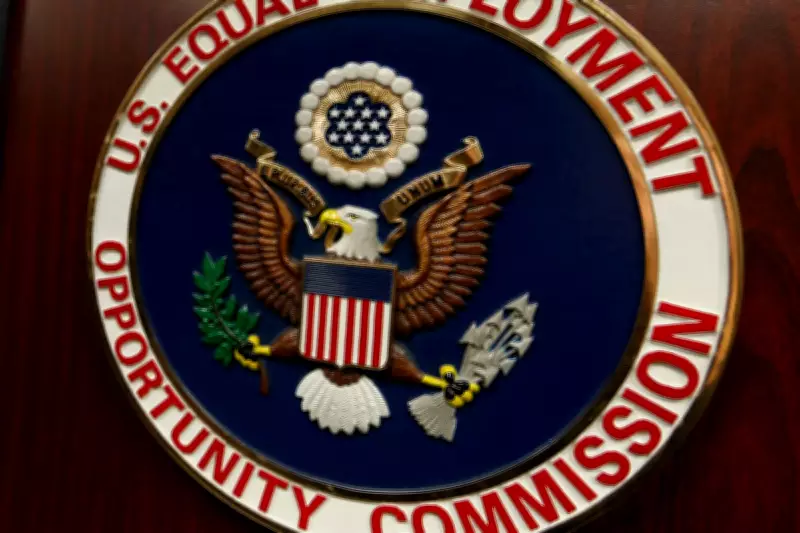
The US Equal Employment Opportunity Commission (EEOC), the federal agency responsible for enforcing workplace civil rights, has initiated legal action against a regional Coca-Cola distributor. The lawsuit alleges the company engaged in sex discrimination by exclusively inviting female employees to a company-sponsored networking event, thereby excluding male staff members.
Details of the Alleged Discrimination
The complaint, filed in New Hampshire district court, centers on a two-day networking trip organized by Coca-Cola Beverages Northeast in September 2024. Approximately 250 women attended the event, which was held at the Mohegan Sun casino resort in Connecticut. According to the EEOC, the company covered all expenses for attendees, including lodging and meals, and paid their salaries while excusing them from regular work duties.
The lawsuit asserts that this exclusion of male employees violates Title VII of the Civil Rights Act of 1964, which prohibits employment discrimination based on sex. The EEOC is seeking monetary compensation for a class of men who were excluded, claiming they suffered financial losses as well as emotional distress, inconvenience, and mental anguish.

EEOC's Stance and Company Response
Acting EEOC General Counsel Catherine L. Eschbach stated, "Excluding men from an employer-sponsored event is a Title VII violation that the EEOC will act to remedy through litigation when necessary." The agency filed the lawsuit after failing to reach a conciliation agreement with Coca-Cola Beverages Northeast, an independent bottler serving New England and upstate New York.
In response, Coca-Cola Northeast expressed disappointment, claiming the EEOC did not conduct a full investigation. The company said in a statement, "We look forward to having our day in open court when we can tell the full story and expect to be vindicated." The company declined to comment further on the lawsuit's specifics but had previously celebrated the event on LinkedIn as its "first in-person Women’s Forum," describing it as a networking reception where speakers addressed topics like navigating a male-dominated industry and work-life balance.
Broader Context of DEI Challenges
This lawsuit is part of a broader pattern of EEOC actions targeting diversity, equity, and inclusion (DEI) programs. It follows closely on the heels of an investigation into sportswear giant Nike for allegedly discriminating against white employees through its diversity policies. EEOC Chair Andrea Lucas, a Trump appointee, has been a vocal critic of many corporate DEI practices and recently urged white men to report workplace discrimination.
David Glasgow, co-founder of the Meltzer Center for Diversity, Inclusion, and Belonging at NYU School of Law, noted that targeted programs for specific demographic groups are particularly vulnerable to legal challenges. He advised organizations to shift "from cohorts to content," opening programs to anyone committed to their content rather than limiting participation by cohort. Glasgow also questioned the EEOC's focus, stating, "It’s a bit odd that the current iteration of the EEOC thinks that going after regional companies for hosting a two-day women’s retreat is a good use of limited resources at a time when there is still extensive discrimination against women in the workplace."
Legal and Civil Rights Implications
The case highlights ongoing tensions between efforts to promote workplace diversity and anti-discrimination laws. Civil rights activists and former Democratic EEOC commissioners have criticized Chair Lucas's methods, arguing they endanger longstanding practices upheld by courts to prevent discrimination and remove structural barriers for women and minorities.
The EEOC has directed the public to its fact sheet on DEI-related discrimination, which cautions that practices like training and employee resource groups could veer into discrimination depending on their implementation. Most lawsuits against similar targeted programs have been settled after the defending party opens the program to all participants, according to Glasgow.

As this legal battle unfolds, it underscores the complex landscape of workplace civil rights enforcement and the evolving scrutiny of corporate diversity initiatives in the United States.