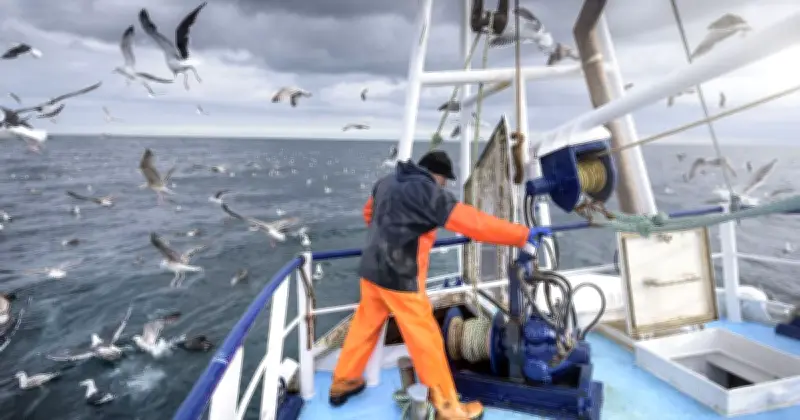
British fishermen are staying in port as surging fuel prices make fishing unaffordable, while subsidised European boats continue to fish in UK waters. Fishing leaders are calling on the Labour government for fuel subsidies comparable to those in Europe, as costs exceed the value of their catch for the second time since the conflict in Iran began.
One fisherman is now paying £120,000 per month for fuel, with red diesel prices doubling to around £1.10 per litre, up from 50-60p last year.
Fishermen Forced to Tie Up Boats
Mike Cohen, CEO of the National Federation of Fishermen’s Organisations (NFFO), said: “Quite a lot of fishing vessels are tying up now because they just can't make any money. We've got people going to sea, having a good day's fishing, selling their catch, and making a loss. They just can't afford to work anymore.”
He added: “The price didn't drop very far down in between the peaks, so people have been basically burning through their cash reserves from March until now, and people have just run out. It's getting pretty dire.”
In April, boats also made losses as fuel prices reached £1.30 in parts of the South West.
EU Boats Receive Subsidies
Meanwhile, the French Government has agreed to cover up to 70% of cost increases after recent protests, and EU boats have been able to access grants of up to €0.20 per litre of fuel.
Brixham cuttlefish trawler Dave Driver, whose earnings were down by £4,000 per week after 50 years in the trade, said: “We've got the French fishing right alongside us, we've got big Dutch boats beside us, and it's just a mockery of it all.” His three crew were also down by £400 a week, because they earn a share of the catch.
“The fishing industry has never had any help from the Government. We've always been pushed to one side,” he said. “You've got the best fishing grounds in the world here, but we've got boats outside of us that are four times the size, hoovering up tonnes and tonnes of stuff we're trying to catch.”
Catch Does Not Cover Costs
Jamie Newton, 39, who owns seven boats with business partner Scott Wharton, said two of his cuttlefish trawlers are not profitable as fuel costs surge from £40,000 a month to £120,000. If prices rise further, he said there was “no option but to tie the boat up”.
“Our catch is not covering the fuel or the commissions from the market where it's sold,” he said. “We're using up cash reserves to keep the business afloat.”
One of his beam trawlers, which requires more fuel for up to seven days at sea, landed £21,500 worth of fish last Monday. But after paying £13,000 in fuel and more than £5,000 in costs, they only had £3,000 to cover crew wages.
“So basically that trip, we've settled the trip negative about £2,000,” he said. “Whereas before, we would have probably seen at least £5,000 or £6,000 back to the bank account.” They cannot increase the price of fish as their fuel costs rise, because the price is set at auction by the buyers, who are also trying to balance increasing fuel costs.
Threat to the Industry
Mr Cohen said some skippers are burning through their savings just to keep their staff, which poses a major threat to the industry.
“They've now exhausted their savings, and they just can't do it anymore. Crewmen will leave the industry if they can't find work in doing something else, so it's quite dire. We could lose businesses for good. So it's really a very sensitive moment.”
At a time when Labour is trying to balance the books, Mr Cohen defends the request for Government support as an issue of national importance. Analysis suggested each job at sea in Cornwall supported 15 jobs on land, from lorry drivers to accountants.
“We look to our Governments to support us in emergencies, just like the Government has stepped in to support the steel industry, it's stepped in to support the car industry. We haven't had need for this in the past, but at this point, it has got critical. This has national benefits and national implications. If you lose fishing businesses, you lose supply to the fish processes,” he said.
A Defra Spokesperson said: "This government is helping our vital fishing industry by providing tax relief on fuel and providing £360 million to support its development through our Fishing and Coastal Growth Fund."
The Express has approached Fishing Minister Stephen Morgan for comment.