Parking Industry Warns of Gridlock and Court Backlog Over Rule Changes
The British Parking Association (BPA) has issued a stark warning that proposed changes to parking regulations could result in urban areas becoming "gridlocked" and the court system being "overwhelmed." The industry body, representing parking operators across Britain, highlighted what it describes as the "unintended and avoidable consequences" of the Government's planned code of practice for the private parking sector.
Debt Recovery Fee Ban and Ticket Cap Concerns
A consultation document from the Ministry of Housing, Communities and Local Government (MHCLG) outlines proposals to ban the addition of debt recovery fees to parking tickets. These fees, currently capped at £70, are applied when parking operators engage debt recovery agencies to collect unpaid tickets. The consultation also seeks views on the existing cap on parking tickets, which stands at £100, with a 40% discount available if paid within 14 days.
According to the BPA, eliminating debt recovery fees would force car park operators to pursue more cases through the courts, as this would become their "only option left" to recover unpaid tickets. Alison Tooze, BPA's chief policy and engagement officer, emphasised that while the association supports the Government's code of practice, it must alert authorities to potential operational realities.

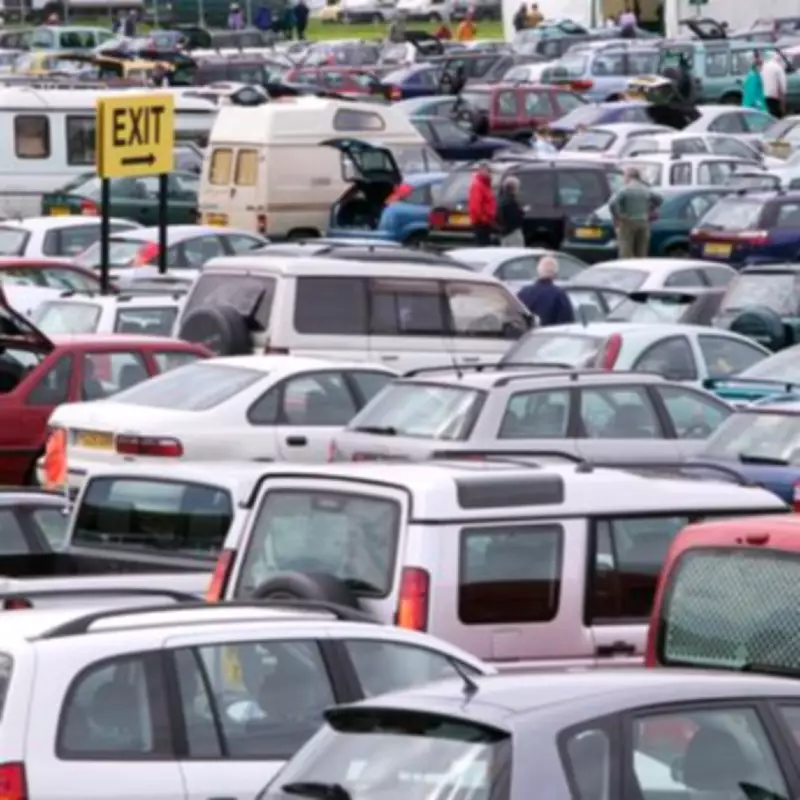
"We face an operational reality where we could see 'Carmageddon' in towns and cities and the already struggling court system being completely overwhelmed," Tooze stated. "The code is being developed with the goal of protecting decent drivers, vulnerable road users and communities, yet there is a real danger that it could have the opposite effect and bring unintentional chaos."
Risk of Reduced Deterrent and Past Examples
The BPA expressed further concern that an "insufficient" maximum limit on parking tickets could create a "parking free for all," reducing the deterrent for drivers who ignore parking rules. Tooze cited high-profile examples in Bournemouth and Aberystwyth, where unfair motorist behaviour led to complete gridlock, illustrating the potential consequences on a larger scale if drivers are not concerned about rule-breaking penalties.
"Nobody wants to see this on a bigger scale and these examples illustrate what does happen in reality when drivers are not concerned about the consequences of breaking the rules," she added.
Consumer Perspective on Unfair Tickets
In contrast, the RAC has warned that the threat of debt recovery fees can pressure drivers into paying "unfair" parking tickets they might otherwise challenge. Simon Williams, the RAC's head of policy, explained that a £100 parking charge notice automatically increases by £70 if unpaid within 28 days, once a debt recovery letter is issued.
"This seems disproportionate and could scare people into paying rather than appealing any unfair fines," Williams said. "We don't support the use of debt recovery companies by the private parking industry and we hope to see it tackled in the Government code of practice when it comes into force."
Record Ticket Issuance and Industry Criticism
Press Association analysis of Government data reveals that private parking companies issued a record 15.9 million parking tickets in the year ending September 2025. The industry has faced accusations of employing misleading signs, aggressive debt collection tactics, and unreasonable fees, prompting calls for regulatory reform.
Historical Context and Current Status
A Bill enabling the introduction of a code of practice for the parking industry received royal assent in March 2019. This code, initially planned to take effect across Britain by the end of 2023, aimed to:
- Halve the cap on tickets for most parking offences to £50
- Create a fairer appeals system
- Ban aggressive language on tickets
However, the code was withdrawn by the Conservative government in June 2022 following a legal challenge by parking companies. A new consultation by the current Labour Government closed in September last year, with no final decisions announced yet.

Government Response and Future Steps
An MHCLG spokesperson affirmed the Government's commitment to protecting motorists and improving standards in the private parking industry. "Motorists must be protected when using private car parks and we are determined to drive up standards in the industry," the spokesperson said. "No final decision has been made on the debt recovery fee cap and we will set out further details on the private parking code of practice as soon as possible."
As stakeholders await further details, the debate continues between industry warnings of operational chaos and consumer advocates pushing for fairer practices, highlighting the complex balance required in parking regulation reform.