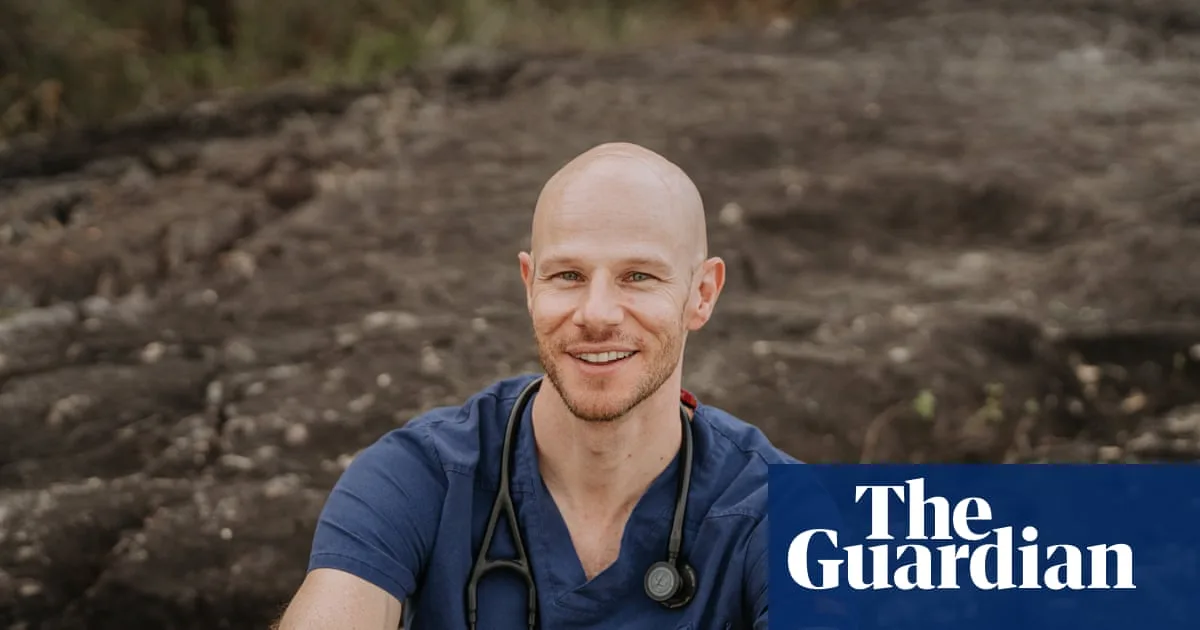
After working in post-conflict zones, Dr Damien Brown thought he was ready for anything. But when he moved to a 20-bed hospital in the Northern Territory serving an area the size of Norway, he found healthcare challenges far from expected. ‘It can be harder than aid work,’ a colleague had warned.
One of his first patients, Billy, a thirtysomething Aboriginal man, arrived with severe shortness of breath from heart and kidney failure. He needed intensive care and specialists but declined transfer because his family and country were there. Dr Brown managed his care, and he did okay. Another patient, a woman having a life-threatening heart attack, required a clot-busting drug and stabilisation before a 1,000km transfer – like going from London to Berlin for urgent care.
Chronic disease rates were the highest Dr Brown had encountered. A teenager had a metallic heart valve from rheumatic heart disease due to overcrowded housing and poverty. Kidney disease is rampant: a local dialysis unit runs six days a week with 16 machines, the highest per capita rate globally. Diabetes is three times more common among Aboriginal patients, with heart disease twice as common. Access to healthy food is a struggle; Dr Brown paid $10 for rubbery broccoli in the only supermarket, making junk food better value.
Social issues, rooted in historical trauma and inequality, are severe. A man walked in casually with a knife blade still embedded in his chest, requiring blood transfusion, chest tube, antibiotics, and an urgent flight. Mental health crises were common, with more psychological trauma than anywhere Dr Brown had worked. Despite the challenges, he returned after his first trip and has since specialised in rural and remote medicine. ‘The work gets under your skin,’ he says, citing the warmth of local people and the beauty of the country.