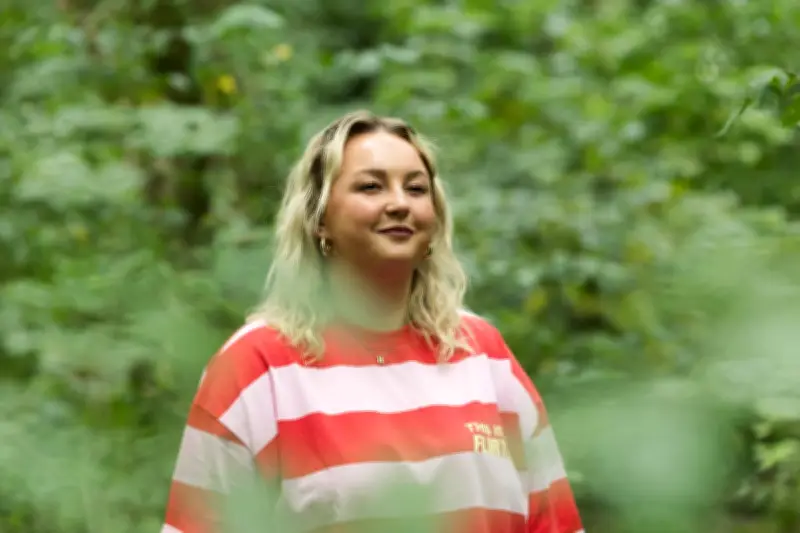
Holly Dyson had her last alcoholic drink on 2 May 2023 – a can of cider to manage withdrawal symptoms, drunk in her father's car on the way to rehab. She had barely eaten in two weeks, spending her final days at home in north-west England vomiting blood and twitching in bed, too nauseous to move. At 26, her body was shutting down.
A week earlier, a doctor had told her she had six months to live. Her liver was 'deranged', he said. Dyson felt it like 'a bowling ball' – so heavy and swollen she had to use two hands to lift herself out of bed. Her face was unrecognisable from the sporty young woman she once was. 'I just couldn't do this any more,' she says.
Childhood and the Start of Addiction
Dyson grew up in Tarleton, a rural village between Preston and Southport, in a 'little bubble' where nothing bad happened. But when she turned 12, her parents divorced. She attributes the separation to developing 'an intense fear' of abandonment.
She had her first alcoholic drink at 16 – a fruity cider in the park – but did not get drunk until university in Leeds in 2015. There, she saw peers using drugs, but alcohol held more appeal. She fell into an abusive on-off relationship; after discovering he cheated with two close friends, she dropped out of university.
Spiraling Dependence
In 2017, she poured herself a gin and tonic before work as a personal trainer. That drink 'lit up my brain', she says. She moved in with her mum and secretly drank, refilling gin bottles with water. Soon she was hiding alcohol in her room and car. 'Your every thought is: Where's my next drink coming from? Can we afford the next drink?' she recalls.
By 2020, she was in A&E with severe liver disease, but she was not ready to stop. She switched to cider, sipping it first thing to stop withdrawal symptoms, and drank wine from a Lucozade bottle throughout her workday. At night, she lined up bottles by the bed to drink 'like water' without waking her partner.
Financial and Physical Toll
Her habit cost £300-400 a month, but she ran out quickly, borrowing from parents and taking out loans. When she emerged from addiction, she had £10,000 in debt, a debt management plan, and a ruined credit score. 'For the next six years, I can't get a mortgage,' she says.
In hospital, she was given Librium for withdrawal, but at home she self-medicated with cider. She could not walk or keep food down, but after a few days would think: 'I'm fixed now, I can drink again.'
Rehab and Recovery
Her father, after learning from the doctor how little time she had, took her to a private rehab facility, Ocean Recovery in Blackpool, taking out a loan to pay for it. 'If he hadn't got me into rehab when he did, I wouldn't be here,' Dyson says.
She stayed 28 days – the youngest by 20 years. 'I was the baby. I had loads of people looking out for me,' she says. She walked, did group therapy, meditation, yoga, and painted. But the real work began after discharge. Now a support worker for drug and alcohol service Change Grow Live, she says talking openly about addiction helps her stay sober.
She exercises regularly, ran a London Landmarks half marathon in April, and is training for a full marathon. 'No physical pain, such as running a marathon, will ever compare to the emotional pain that I went through during addiction.'
‘Admitting You’re Struggling Is the Bravest Thing’
Dyson now criticises the UK's heavy drinking culture and the marketing of alcohol in supermarkets. 'People forget that alcohol is a drug,' she says. She wants to share the 'raw, unfiltered truth of addiction' – vomiting blood, lying for money, being unable to get out of bed. 'Admitting you’re struggling is the bravest and most important thing that you can do to save yourself.'
A recent scan showed her liver has no scarring or fatty liver – it has 'more or less completely rejuvenated'. Her blood results are normal. 'That does make me emotional,' she says. 'Addiction is harder than recovery, 100%. Addiction is a full-time 24/7 job.'