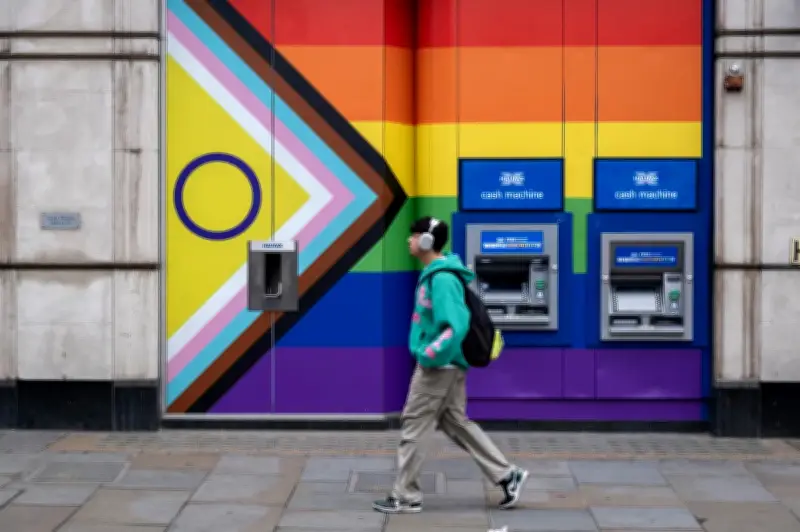
A recent Stonewall study reveals that two in five LGBTQ+ employees still feel the need to hide their identity at work, and 12 per cent believe they have been dismissed because of their sexual orientation. The findings paint a stark picture of ongoing prejudice in the workplace, despite public commitments to diversity and inclusion.
Persistent Discrimination in the Workplace
The study also found that nearly a third of LGBTQ+ employees did not agree they could be themselves at work. Of these, more than half have experienced discrimination, including verbal or physical abuse, or feeling excluded. Three in ten LGBTQ+ employees would not feel comfortable reporting homophobic or biphobic bullying or harassment.
This comes against a backdrop of businesses and City firms proclaiming their pro-diversity policies, with some having rolled back their DEI programmes to appease Donald Trump's administration.
Career Obstacles and 'Don't Ask, Don't Tell' Culture
Another study from Pride in Leadership found that 85 per cent of LGBTQ+ professionals had encountered career obstacles due to their identity, ranging from being passed over for promotions to verbal and physical abuse.
In City offices, a "don't ask, don't tell" culture persists, particularly on macho trading floors where being gay can lead to teasing, being overlooked for promotion, or even dismissal under a concocted reason.
Michael Bishop's Story
This silence is vividly described in a new autobiography, Lessons from a High Flyer, by Michael Bishop, now Lord Glendonbrook, Britain's first openly gay business leader and former owner of British Midland. Bishop, who sold the airline to Lufthansa in 2009, describes the torment of living a lie.
Bishop realised he was gay in his teens, but knew it had to be hidden. In 1972, when he was made managing director of British Midland, the then chairman confronted him, asking if he was gay and threatening to have his resignation letter ready if he said yes.
Bishop describes the experience as "belittling and shaming," leading a double life in permanent fear of being outed. He always ensured he was accompanied by a woman at work events, and the media used words like "dapper" or "elegant" to describe him, which he regarded as code for gay.
A Turning Point in 2002
In 2002, Bishop finally came out, becoming the first leading British businessman to proclaim his homosexuality. He gave an interview to The Sunday Times and deliberately chose not to deny it, saying he had nothing to lose as he owned the company.
Following Bishop, Charles Allen at ITV and John Browne from BP came out, but the numbers remain low. Bishop says the number is "pitifully low and nowhere near what the proportion of gays and lesbians in society suggest it ought to be."
Bishop ends on a positive note, saying, "We've still far to go, but hopefully I've helped." The Stonewall study, however, shows there is much still to be done.