Salt Emerges as a Summer Staple for Cooling Down
As Europe braces for another heatwave, salt has become an unlikely hero in the battle against the heat. Salty drinks, traditionally popular in countries like India and Mexico, are gaining traction in the UK as refreshing, rehydrating alternatives to sugary beverages. This trend is fueled by a broader shift toward savoury flavours and a growing appreciation for premium salts.
The Rise of Salty Drinks in London
At Jikoni in London’s Marylebone, a nimbu pani-inspired drink combines fresh lime with black salt and sparkling water. Jade Harman, head of drinks at Jikoni, explains: "The addition of salt is refreshing because it lessens your perception of bitterness in the drink and improves hydration." Elsewhere, Jackson Boxer’s new east London venue, Vesper, serves icy soft gin and tonics featuring Pentire, a non-alcoholic spirit distilled from coastal botanicals and Cornish sea salt. Matcha enthusiasts are also experimenting by adding coarse flaky sea salt to enhance umami flavours.
Salt as a Flavour Enhancer
Cameron Malik-Flynn, co-founder of the food and beverage agency Malik Acid World, whose clients include Burberry and Nike, describes salt as a key taste on its flavour wheel. He recently collaborated with Ellie’s in Dalston to create a sour watermelon tequila soda topped with salted matcha vegan cream. "Salt within a drink really pulls through the flavour of the other ingredients," he says. "You get these big bold flavours throughout the palate. It makes a drink feel more adult and considered." Malik-Flynn attributes the salty surge to a wider move away from sugar: "Savoury flavours are big right now. People want freshness. They are becoming more aware of and moving away from drinks made from pre-packaged syrups and terrible modifiers filled with E-numbers."
Premium Salts: The New Pantry Status Symbol
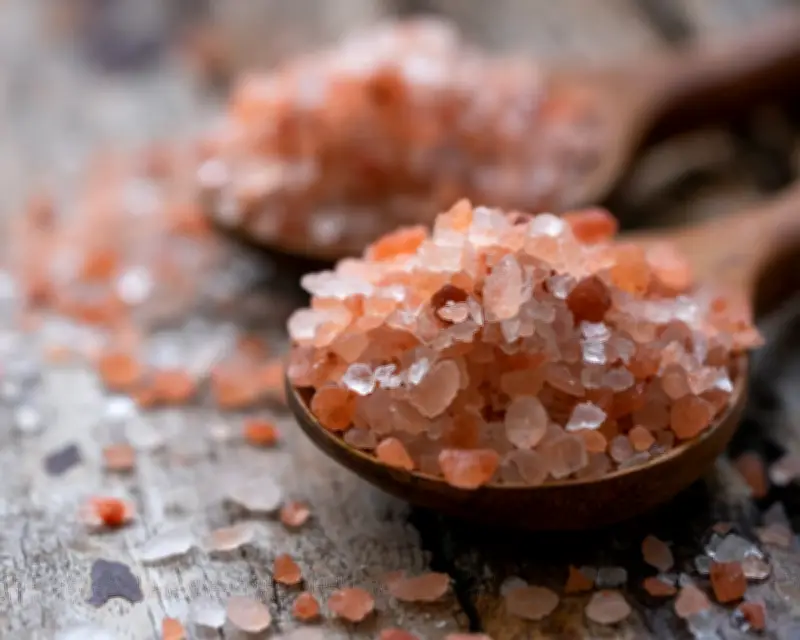
Similar to the elevation of olive oil, salt is experiencing a glow-up. Artisanal salts—from rosy pink flakes to tiny grey grains—are now sold in designer boxes and jars. In The Devil Wears Prada 2, product placement even included two boxes of Maldon sea salt flakes. Caleb Tennant of the Dorset Sea Salt Company says: "Natural sea salt offers a cleaner, more rounded flavour and a far more intentional way of seasoning. It’s the difference between simply making food salty and actually building flavour." Dorset Sea Salt is hand-harvested from the Jurassic Coast and sold in chef-style tubs and stackable glass jars. Halen Môn, from Anglesey in north Wales, offers flavoured salts like charcoal and vanilla in tiny ceramic jars with matching spoons. New Zealand’s Apostle places its red wine and plum herb salt in glass jars with labels inspired by Roman Catholic artwork, while Scotland’s Goat Rodeo Goods markets "salty b*tch kimchi" and "pickle tickle" salts in colourful tins designed for display.
Everyday Indulgence in Uncertain Times
Lisa Harris, co-founder of food consultancy Harris and Hayes, notes: "Premium salts certainly follow the trajectory of elevated pantry goods, which we’ve seen with olive oil, tinned fish and tinned beans. In times of economic uncertainty, a pinch or a drizzle of something special feels like an achievable everyday indulgence." Malik-Flynn describes pink Himalayan salt as "mimicking a citrus flavour" while sea salt has a "herbal and briny effect." He also likes lava salt for a "subtle earthy smoky flavour" but cautions: "You have to be really careful with the dosage of it all otherwise it just moves into something that’s too salty."