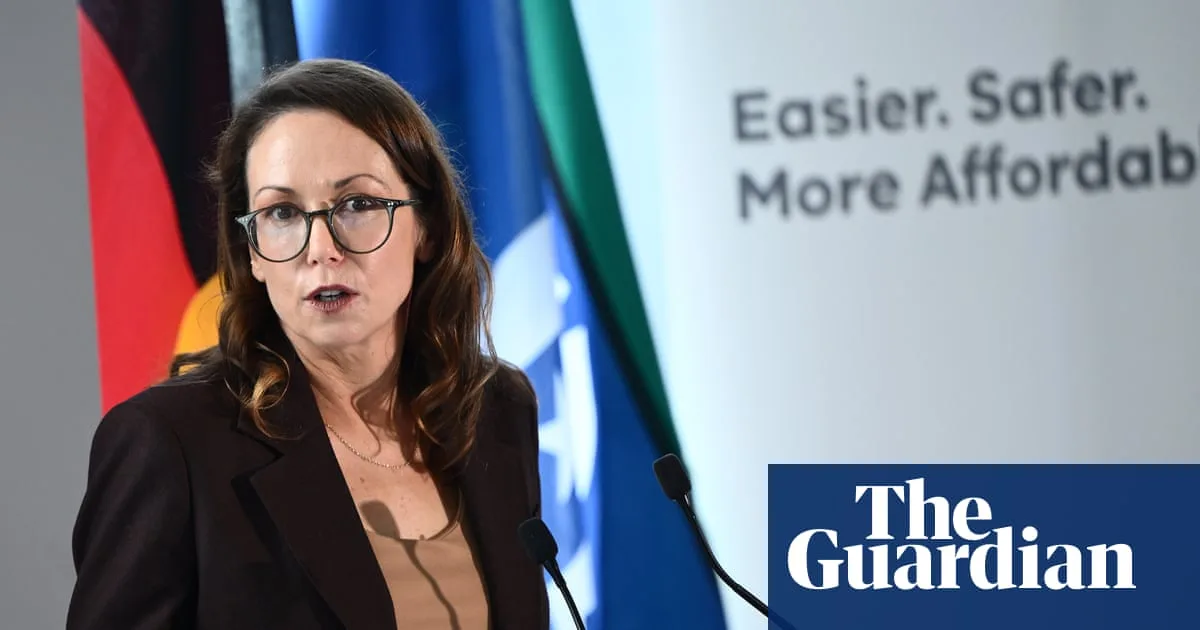
Victoria has recorded its first operating surplus since the pandemic, with the 2026-27 budget showing a £727m surplus for 2025-26. Treasurer Jaclyn Symes said the state joined Western Australia and South Australia as the only jurisdictions in surplus on the eastern seaboard, despite structural disadvantages in revenue.
The budget projects surpluses of £1.05bn in 2026-27, £1.86bn in 2027-28, £1.94bn in 2028-29 and £1.97bn in 2029-30. However, when infrastructure spending is included, Victoria faces cash deficits of £7.7bn in 2026-27, widening to £8.07bn by 2029-30. Net debt is forecast to rise from £165.3bn in June 2026 to £199.3bn by 2029-30, though it stabilises at 24.4% of gross state product.
Key budget initiatives include £750m for a 20% refund on car registrations and £432m for free public transport until end of May, followed by half-price fares for the rest of 2026. The government also allocated £2.4bn over five years for the Thriving Kids programme, replacing NDIS support for children with autism. New savings measures totalled just £607.5m over four years, while the public sector wage bill stands at £41.13bn, or 35% of revenue.
Tax revenue is forecast at £41.52bn this year, rising to £43.18bn in 2026-27, with stamp duty expected to decline due to higher interest rates before recovering. Poker machine revenue will fall with mandatory carded play, offset by lottery growth after a 40-year licence extension for the Lottery Corporation. The budget assumes economic growth of 1.5% in 2026-27, rising to 2.5% by 2029-30, and inflation peaking at 3.5% before falling to 2.5%.
Treasurer Symes defended the forecasts as conservative, despite warnings of “elevated” uncertainty from the global geopolitical backdrop. The Reserve Bank of Australia raised the cash rate to 4.35% on budget day, as predicted, with rates expected to remain at that level through 2026-27 before declining to 3.5% by late 2028.