US gross domestic product (GDP) accelerated to an annual rate of 2% in the first quarter of 2026, driven by AI investment and government spending, though consumer spending is slowing as the war with Iran continues to impact energy prices.
The last GDP reading for the fourth quarter of 2025 showed US economic growth slowed to an annual pace of 0.5%, largely due to a contraction in government spending after massive layoffs of federal workers. The federal government is down 355,000 workers, or 11.8% of the workforce, since October 2024, according to the Bureau of Labor Statistics.
Government spending jumped 10% since last quarter, going from a 5.4% contraction to a 4.4% increase at the start of 2026. Domestic investment also saw 6.4% growth, probably as a result of the surge in spending to boost AI and the infrastructure that supports it. The pace of consumer spending growth slowed 0.3% compared to the fourth quarter of 2025.
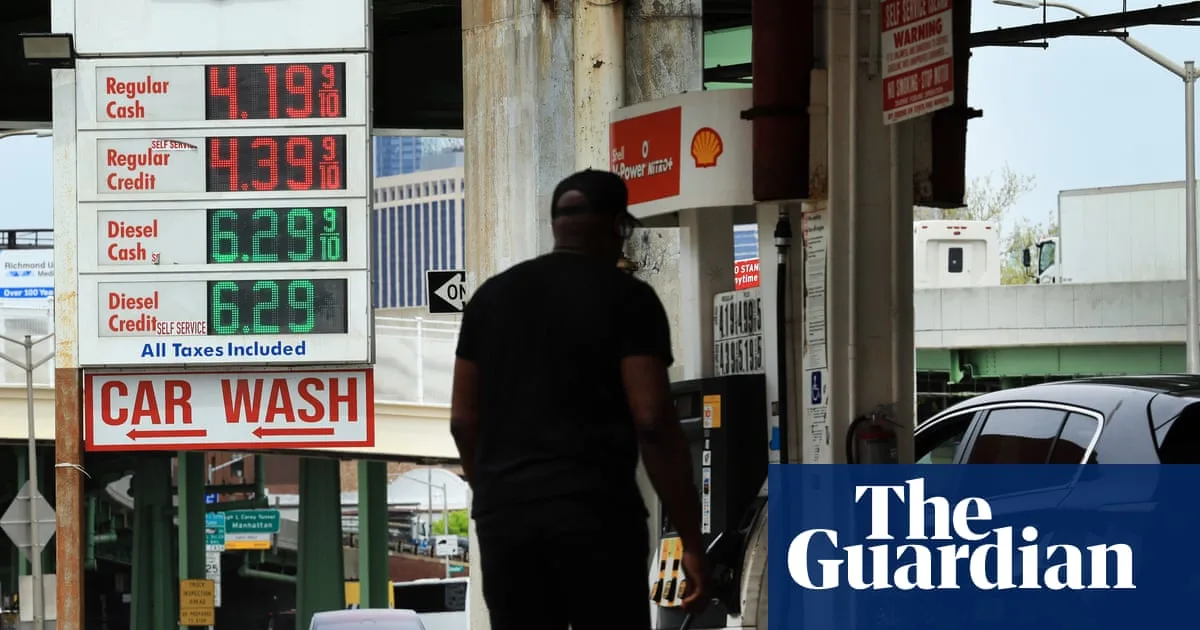
The war with Iran has soured consumer sentiment and increased inflation expectations, from 3.8% in March to 4.7% in April – the largest one-month increase since April 2025, when Donald Trump announced his 'liberation day' tariffs. On Thursday, global oil prices reached a wartime high of $126 a barrel, surging 13% in 24 hours as peace talks between the US and Iran reached a standstill over the Strait of Hormuz.
US Defense Secretary Pete Hegseth testified to Congress that the war had cost the US government at least $25bn, though the defense department is asking lawmakers to approve another $1.5tn in military spending. The Federal Reserve has maintained a 'hold and wait' strategy, with outgoing chair Jerome Powell expressing concern about the institution's independence from the White House.