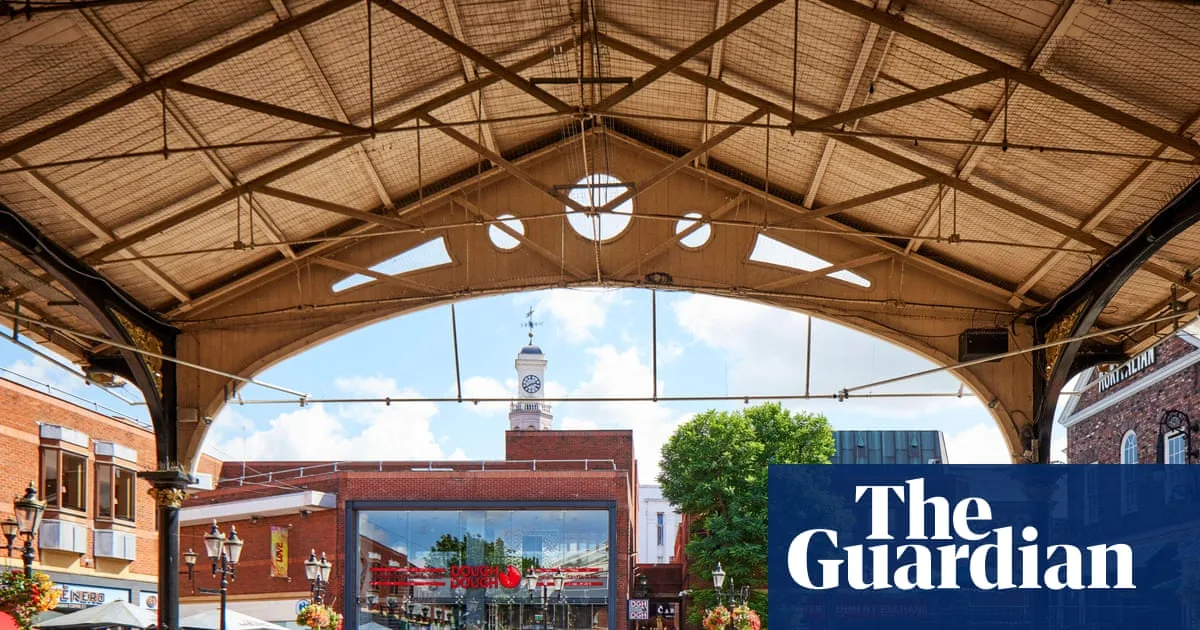
A study by the Centre for Cities thinktank has found that disposable incomes in 11 towns and cities in England rose twice as fast as the rest of the UK between 2013 and 2023. The top performers, including Warrington, Barnsley, and Wakefield, saw an average increase of 5.2%, compared with 2.4% for urban areas overall.
The report attributes this success to a focus on building a strong local business base and higher-skilled jobs, particularly in “tradeable” industries such as software, marketing, and finance. If all 63 of the UK’s largest towns and cities had matched this growth, residents would have gained an extra £3,200 on average in disposable income.
Andrew Carter, chief executive of the Centre for Cities, said the top performers were “very deliberate” about increasing higher-skilled, cutting-edge jobs. In Barnsley, for example, the council opened up industrial land around the M1 corridor to develop a logistics hub, adding 6,000 private service jobs since 2015, a third of which are high-skilled.

Warrington recorded the highest total economic growth at 41%, with disposable income growth 2.2 times the national average. Carter noted that Warrington had taken “tough decisions”, such as supporting edge-of-town business parks and releasing green belt land for housing.
Brighton saw the highest disposable income rise at 8.1%, followed by Worthing at 7.8% and London at 5.8%. In contrast, Cambridge saw a 3% decline in real-terms disposable income, with residents spending 17% of outgoings on housing. Outside England, Cardiff had a 1.4% rise, while Glasgow and Belfast saw declines of 2.3% and 1.5% respectively.
The report warned that government policies focusing on “tinkering with the symptoms” like capping bus fares risked losing sight of the need for economic growth, which it said was the root cause of cost-of-living pressures and stagnant incomes.