

UK Inflation Forecast to Rise as Middle East Conflict Drives Energy Prices Higher
The British Chambers of Commerce has issued a stark warning that inflation in the United Kingdom will be higher than previously anticipated throughout 2026, primarily driven by escalating energy prices linked to the ongoing conflict in the Middle East. Economists from the influential business group have also projected that UK economic growth will slow significantly and unemployment will continue to rise, painting a downbeat outlook for the Government.
Geopolitical Uncertainty and Economic Impact
In its latest economic report, the BCC highlighted that the geopolitical situation remains "highly uncertain" but could "change the economic outlook considerably." The group predicted that the UK Consumer Prices Index inflation, which stood at 3% in January, will now reach 2.7% by the end of the year. This marks a notable revision from its earlier forecast of 2.1%, indicating a more persistent inflationary pressure than expected.
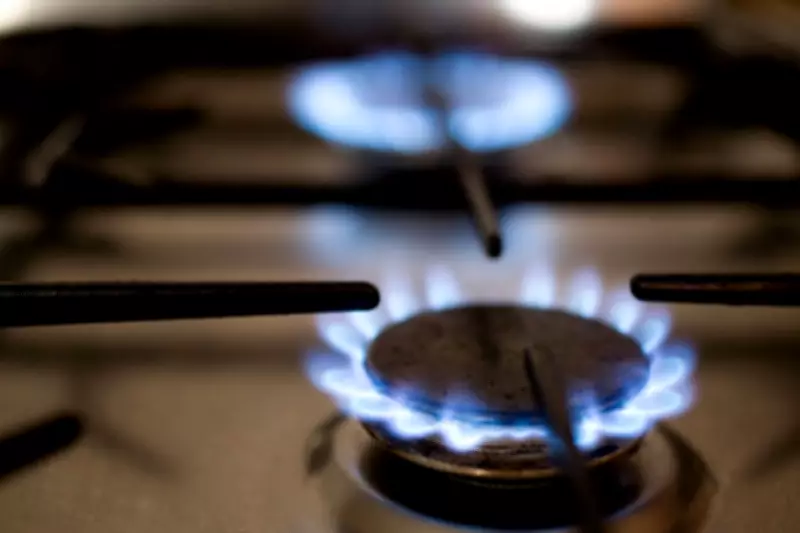
Elevated inflation is directly linked to higher oil and gas prices resulting from the Middle East conflict, which is anticipated to push up energy costs in the near term. The BCC's projections suggest that energy prices may begin to ease later, potentially allowing overall inflation to drop back to the Bank of England's target of 2% next year. Specifically, inflation is likely to fall to 1.9% by late 2027 as energy prices decline and wage growth moderates.

Growth and Unemployment Forecasts
These forecasts follow the Chancellor's spring statement last week, which confirmed that the Office for Budget Responsibility had cut the UK's economic growth outlook. The OBR now forecasts the economy to grow by 1.1% in 2026, down from a previous estimate of 1.4% made in November last year. Aligning with this, the BCC predicted that UK GDP will grow by just 1% this year, a reduction from its earlier 1.2% forecast. It has also projected growth of 1.3% in 2027 and 1.1% in 2028.
Unemployment is expected to worsen throughout 2026, with economists anticipating UK unemployment, recently recorded at 5.2%, to rise as high as 5.5% this year. This represents a significant increase from a previous forecast of 5.1%. The BCC expects inflation to remain elevated through 2027 due to persistent high labour costs and hiring uncertainty.
Expert Analysis and Government Response
David Bharier, head of research at the BCC, commented: "The UK economy remains stuck in a low-growth pattern. Our forecast of just 1% growth in 2026 reflects weak productivity, subdued investment and cautious consumer spending. The recent escalation of conflict in Iran risks interrupting progress made on inflation. Higher energy prices linked to it could keep inflation firmly above the 2% target and lead the Bank of England to hold the interest rate longer than expected."
Chancellor Rachel Reeves echoed these concerns, warning on Monday that America and Israel's war with Iran is "likely to put upward pressure on inflation" over the coming months. Prime Minister Sir Keir Starmer added that the longer the war in the Middle East continues, the more likely it is there will be economic damage in the UK.
Ms Reeves stated she was prepared to support "a co-ordinated release" of international oil reserves to mitigate the economic shock of the crisis and called for action to "guarantee the security of vessels passing through the Strait of Hormuz." However, a meeting with finance ministers of other G7 nations on Monday concluded without agreement on any solid action.
Speaking in the House of Commons after the meeting, Ms Reeves said: "My economic approach will both be responsive to a changing world and responsible in the national interest. The economic impact of the situation in the Middle East will depend, of course, on its severity and its duration. The movements that we have already seen are likely to put upward pressure on inflation in the coming months."
This comprehensive analysis underscores the interconnectedness of global events and domestic economic stability, urging consumers and policymakers alike to brace for a challenging period ahead.






