Recent research conducted for Link, the UK's primary ATM network, has revealed that a significant proportion of households are actively preparing for potential emergencies, including cyber attacks, natural disasters, or widespread IT failures, by stockpiling essential items.
Key Findings on Emergency Preparedness
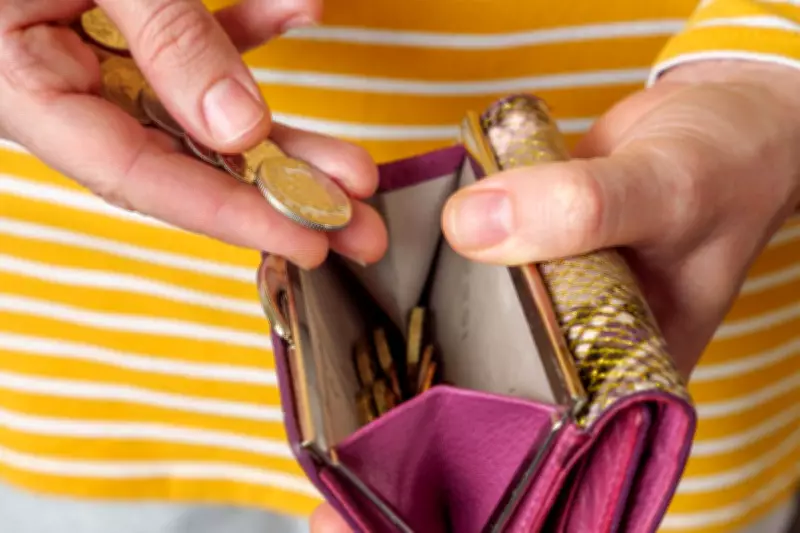
The study, carried out in March, found that 17 per cent of individuals keep emergency cash at home. Additionally, nearly half of respondents (49 per cent) possess a battery-powered torch, 47 per cent have tinned goods, and 37 per cent ensure they have a charged power bank on hand.
Declining Cash Usage
The survey also highlighted a continued decline in reliance on physical currency. Only 61 per cent of respondents had used cash in the preceding two weeks, down from 69 per cent in 2025 and 73 per cent in 2024. Contactless cards (42 per cent) and phone payments (30 per cent) are now the preferred methods for daily transactions, with 10 per cent of people being 'fully cashless.'

Despite this trend, 13 per cent of individuals still prefer to pay in cash, a figure that rises to 16 per cent among those aged 55 and over. Many people resist moving entirely to digital payments, with 61 per cent citing the importance of cash for low-value and person-to-person payments, and 56 per cent valuing its role during digital payment outages.
Implications for Resilience Planning
The findings underscore the growing importance of cash in resilience planning. As digital payment systems become more prevalent, the ability to use physical currency during emergencies provides a crucial backup. The research indicates that households are increasingly recognizing the need to be prepared for unexpected disruptions, whether from cyber threats or natural events.
Overall, the study reveals a dual trend: a gradual shift away from cash for everyday transactions, but a renewed appreciation for its value in crisis situations. This highlights the importance of maintaining access to cash as part of broader emergency preparedness strategies.