The UK is facing its largest drop in living standards on record, according to the government's fiscal watchdog. The Office for Budget Responsibility (OBR) forecasts that household incomes, adjusted for inflation, will fall by 7% over the next two years, wiping out gains made since 2014. The number of unemployed is expected to rise by more than 500,000, pushing the unemployment rate from 3.6% to 4.9% by 2024.
Chancellor Jeremy Hunt acknowledged the UK is already in recession and will shrink further next year. However, he argued that his Autumn Statement, which includes £55bn of tax rises and spending cuts, will lead to a 'shallower downturn' with fewer job losses. The OBR expects the economy to contract by 1.4% in 2023 before a gradual recovery.
Inflation, currently at a 41-year high, is forecast to peak at 11% in the final quarter of 2022, partly due to the government's energy price guarantee. Despite this, the OBR says inflation will erode real wages and reduce living standards by the largest margin since records began in 1956. Household incomes are expected to return to 2013 levels and take six years to recover, remaining over 1% below pre-pandemic levels by 2028.
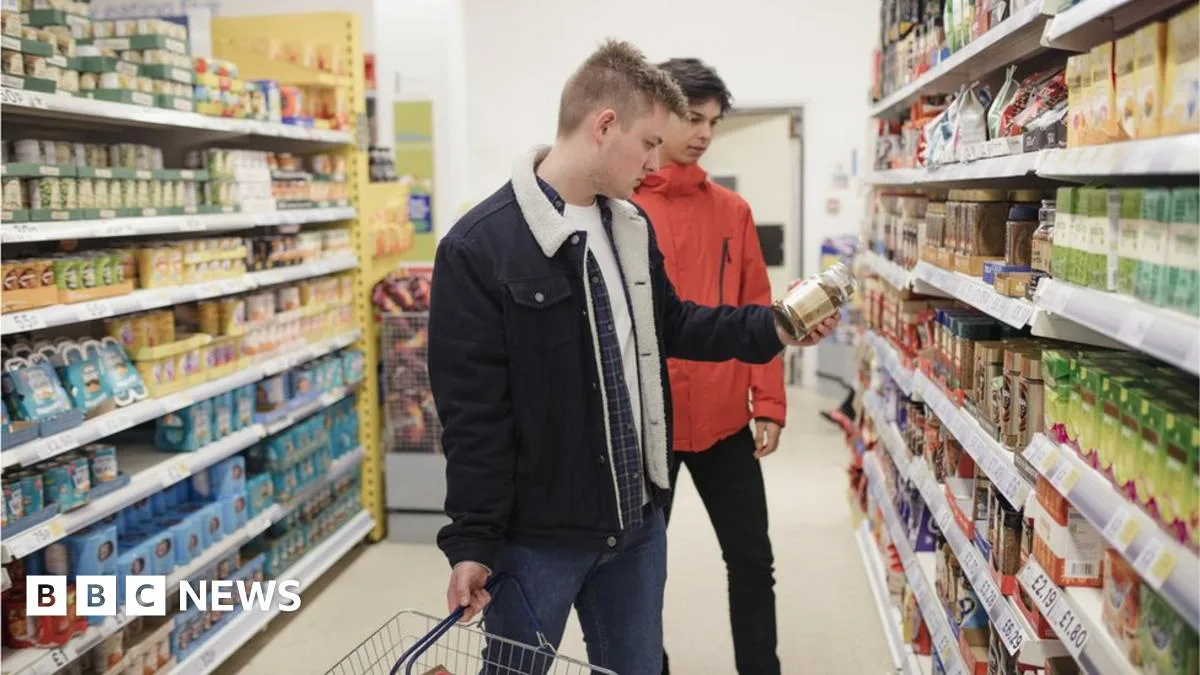
Young people are particularly affected. Jasmine Hurley, 18, and Peter Fletcher, 22, recently moved to Gloucester and are living with Jasmine's mother. Peter, a waiter, said saving has become difficult: 'It's gone from being able to save a few hundred every month to, can I save £50 a month?' Jasmine, who is job-hunting, described the future as 'bleak' and said buying a house feels 'impossible'.
The OBR also predicts house prices will fall by about 9% over the next two years due to higher mortgage costs, as the Bank of England raises interest rates to combat inflation. Paul Johnson, director of the Institute for Fiscal Studies, described the situation as a 'perfect storm' caused by surging energy prices, the war in Ukraine, and the pandemic. He warned that the next two years will see the biggest fall in household incomes in generations.