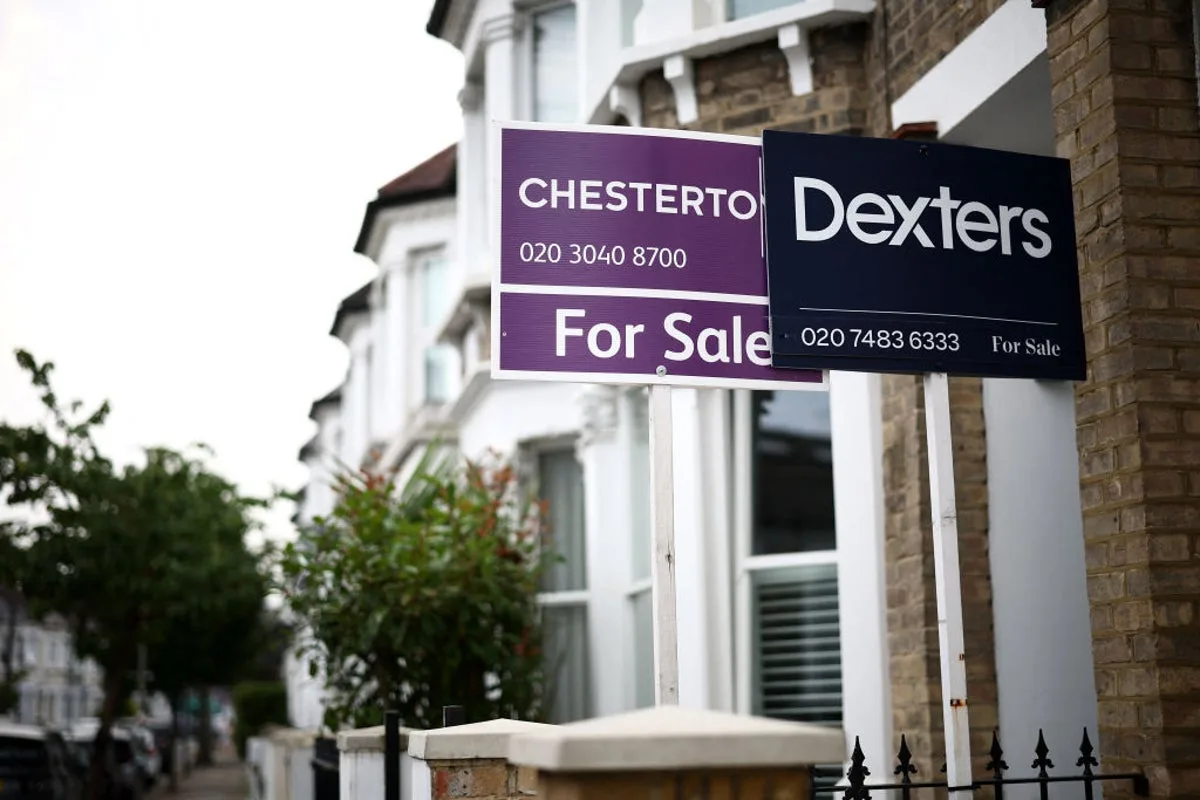
The typical price of a home coming to market in the UK increased by 1.2 per cent month-on-month in May, reaching £378,304, according to Rightmove. This represents a £4,333 rise, stronger than the average 1.0 per cent monthly increase seen in recent years.
Despite the monthly gain, average prices have fallen by 0.3 per cent since May 2025, revealing a North-South divide. Prices in the North East (up 2.7 per cent) and North West (up 2.6 per cent) continue to rise annually, while London (minus 2.4 per cent) and the South East (minus 1.6 per cent) have seen asking price falls.
Buyer choice is at its highest level for this time of year since 2015, with the number of homes for sale reaching an 11-year high. Rightmove noted that 32 per cent of existing listings have seen a price reduction, and over-optimistic pricing is leading to longer selling times.
Homes priced realistically from the outset sell faster; those requiring a reduction spent an average of 127 days on the market compared with 36 days for those without a reduction. Meanwhile, mortgage rates remain higher than many buyers would like, but small rate falls have improved affordability, particularly for first-time buyers.
Separate data from Hamptons showed that investor activity has picked up sharply this year, driven by higher mortgage rates and the Renters’ Rights Act. Tenants moving into new homes paid 1.9 per cent more annually, with the average rent reaching £1,396 per month, the fastest rate in 11 months. Renewing tenants saw a 3.2 per cent annual increase to £1,312.