UK Grocery Inflation Climbs to 4.3% Amid Economic Concerns
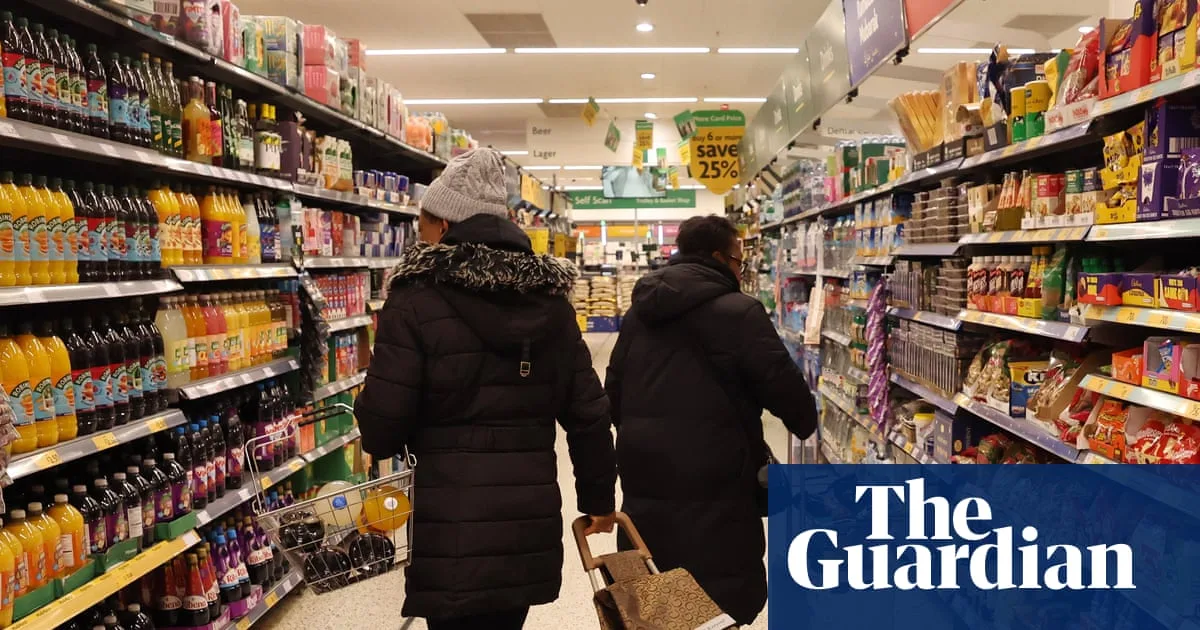
Grocery price inflation in the United Kingdom has unexpectedly risen to 4.3% for the four weeks ending 22 February, according to data from the market research firm Worldpanel by Numerator. This marks a reversal after four consecutive months of declines, with inflation previously falling to 4% in January from 4.7% in December. The increase poses a fresh challenge for households already grappling with the ongoing cost of living crisis.
Middle East Conflict Threatens Further Economic Turmoil
In a stark warning, Philip Lane, the chief economist of the European Central Bank (ECB), highlighted that extended war in the Middle East could severely disrupt oil and gas supplies from the region. This disruption, he cautioned, might trigger a "substantial spike" in inflation and a "sharp drop in output" across both the eurozone and the UK. Lane emphasized in an interview with the Financial Times that such energy price jumps would exert upward pressure on inflation, particularly in the near term, and negatively impact economic growth.
The crisis has already driven oil and gas prices sharply higher, threatening to increase costs for UK drivers at petrol pumps and raise household energy bills. Economists note that these developments could also affect broader economic plans, including those proposed by figures like Rachel Reeves.
Retail Insights and Consumer Behaviour Trends
Fraser McKevitt, head of retail and consumer insight at Worldpanel, provided further context on grocery trends. He noted that while chocolate prices remain elevated, up 9.3% year on year ahead of Easter, the rate of inflation in this category is beginning to ease, reaching its lowest level since September 2025. However, not all sectors are facing immediate relief. Greggs reported a near-18% drop in pre-tax profits to £167.4 million for the year ending 27 December, though it expressed optimism that easing inflationary pressures might boost consumer spending in the future.
The Worldpanel report also shed light on shifting consumer habits:
- Celebratory Spending: Shoppers increased spending on items like pre-made pancake mixes, which surged 114% in the week leading up to Shrove Tuesday. Homemade batter ingredients saw prices rise, with key items costing £7.77, up 42p or nearly 6% from last year.
- Ingredient Sales: Sales of flour jumped 34%, sugar rose 17%, and lemons increased by 70% during this period.
- Valentine's Day Trends: Nearly 12% of households purchased premium meal deals on Friday night alone, with steak sales peaking on Friday and Valentine's Day. Chocolate buying also peaked late, with Friday being the biggest day for Valentine's Day chocolate purchases. Overall, £39 million was spent on high-end meal deals priced at £10 or more in the week before Valentine's Day, a sevenfold increase from the previous week.
Growth in Online Grocery Shopping
Online grocery sales have continued to expand, with a 9.7% year-on-year increase. Over 18 million orders were placed in the four-week period, accounting for 13% of total grocery sales—the highest level since July 2021. McKevitt observed that while more affluent families in London and the southeast remain the most likely to shop online, the convenience of this channel is attracting a broader range of economic backgrounds.
Supermarket Performance Highlights
The retail landscape showed varied performance among major grocers:
- Ocado: Maintained its position as the fastest-growing grocer for the 12 weeks to 22 February, with sales growth of 15.1% and a 2.1% market share.
- Lidl: Recorded double-digit sales growth for the 12th consecutive month, up 10%, with a 7.8% market share.
- Tesco: Increased sales by 4.5%, raising its market share to 28.5%.
- Sainsbury's: Upped its market share to 16.1% as sales rose by 5.2%.
- Waitrose: Achieved its highest growth rate since March 2021 at 5.6%, reaching a market share of 4.8%, a three-year high.
- Asda and Co-op: Asda saw a 2.6% dip in sales year on year, while Co-op's sales declined by 1.6%.
This data underscores the complex interplay between inflation, geopolitical risks, and consumer behaviour in the UK grocery sector, with experts warning that the economic outlook remains precarious amid ongoing global tensions.