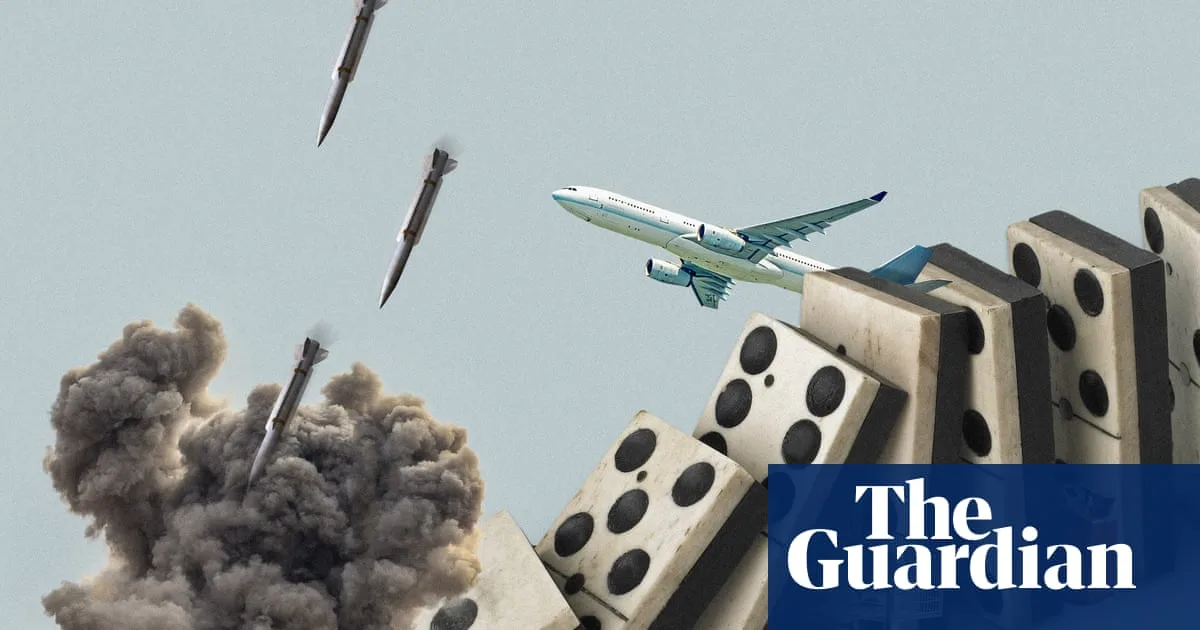
Britons are bracing for a fresh cost of living crisis as the economic fallout from the war in the Middle East pushes up household expenses. Mortgage payments, energy bills, and fuel costs are already rising, with economists warning that the weekly food shop could be next.
The conflict, centred on Iran, has disrupted global energy markets, threatening to reignite inflation and slow economic growth. Analysts have dubbed the phenomenon “Trumpflation”, referencing the former US president’s policy stances, but the immediate trigger is the energy price shock.
For UK households, this could mean higher home loan costs as lenders adjust to elevated interest rates. Energy bills, which had begun to stabilise, are climbing again, while petrol and diesel prices are on the rise. Holiday costs are also expected to increase as airlines face higher fuel surcharges.
The combined pressures renew fears of stagflation, where persistent inflation coincides with stagnant economic activity. The Bank of England may be forced to keep interest rates higher for longer, squeezing borrowers and dampening investment.
Retailers and food producers are monitoring the situation closely, as higher energy and transport costs typically feed through to supermarket prices. Experts caution that the impact will be uneven, with lower-income households hit hardest.