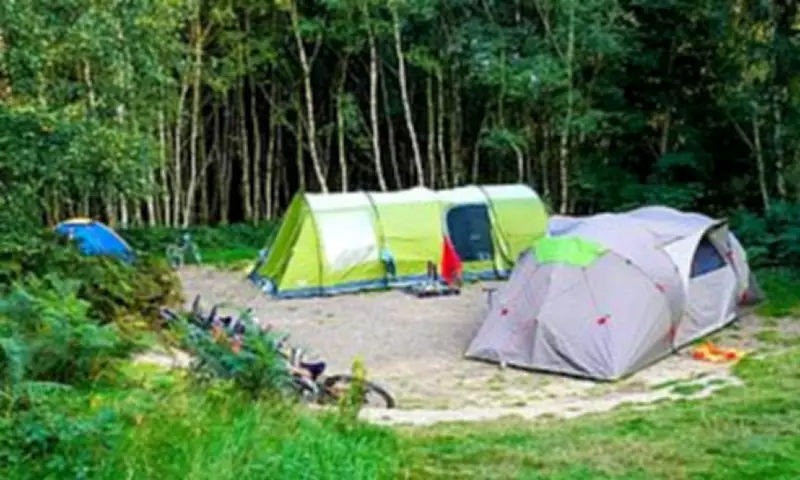
Sleeping in a tent has long been regarded as the ultimate budget-friendly holiday, eliminating costly hotel fees while offering direct access to nature. However, rising prices at UK campsites are challenging that reputation, with even basic pitches now commanding premium rates.
Soaring Costs at Popular Campsites
At the Beech Estate Campsite in Battle, East Sussex, an 'off-grid pitch' during the first week of August is priced at £945 for up to five guests sharing a woodland area without electricity. Similarly, a peak-season week for a family of four at St Ives Bay Holiday Park in Cornwall costs £601 for a non-electric pitch, with an additional £100 for electricity. Adding a spot for the family dog (£28), fuel, food, and any new equipment can easily push the total beyond £1,000.
With the Middle East conflict affecting fuel prices, the UK is expecting its biggest staycation summer since the pandemic. Campsites, particularly in the South West, appear to be capitalising on increased demand by raising prices. At River Dart Country Park in Devon, an 11m x 11m spot costs £644 for a basic pitch and £700 with electricity. Manor Wood Country Caravan Park in Chester is the most expensive in the North West for the same week, with a non-electric space at £406 and £497 with power, plus a £21 fee for dogs. At Hunstanton Camping and Glamping in Norfolk, electric pitches are £569, while non-electric ones are £511.

Cheaper Alternatives Exist
Despite these steep prices, budget-friendly options remain. Cranford Oak Farm in Devon offers a non-electric pitch for a family of five at just £2.40 per person per night, totalling £84 for the week, though without showers. Other affordable sites include Aldridge Mill in Devon (£90.02), The Bull i' th' Thorn in Derbyshire (£100), and Monarch's Way Campsite in Dorset (£105).
Changing Camping Landscape
The camping industry has shifted significantly, with many sites replacing traditional pitches with more lucrative glamping options like pre-pitched shepherd's huts and bell tents. Motorhome and campervan usage is also rising, with Gumtree reporting a 133% increase in searches for such vehicles since early 2026. Car campers, using tents that attach to open vehicle boots, are becoming more common.
Wild camping remains illegal in England and Wales, but high campsite costs are driving some to attempt free overnight stays in scenic areas. In Scotland, wild camping is permitted under 'leave no trace' principles. In North Yorkshire, a public space protection order was recently issued for coastal resorts like Scarborough and Whitby after a rise in unauthorised camping, with Councillor Heather Phillips noting that clean-up costs have reached around £30,000.
Tips for Affordable Camping
Sabina Voysey, Director General of The Camping and Caravanning Club, emphasises that camping remains great value if approached wisely. She recommends comparing deals online, choosing grass pitches over hardstanding, booking early or last minute, buying pre-loved kit, and timing journeys to save fuel. Despite fuel price increases, a 100-mile journey costs less than £10 more than in February.
With careful planning, campers can still enjoy an affordable summer break without breaking the bank.