

UK Businesses Brace for Devastating Price Surge Amid Iran Conflict
The United Kingdom's business community is staring down the barrel of a catastrophic wave of price increases, with experts warning that the situation has not been this dire since the 2008 financial crisis. The root cause is Donald Trump's ongoing military conflict with Iran, which is severely disrupting global oil and gas supplies. For pubs, hotels, and countless small enterprises, this means that cheaper energy contracts could be torn up and renegotiated by suppliers within mere weeks, according to industry analyst James Moore.
Energy Market Turmoil and Historical Parallels
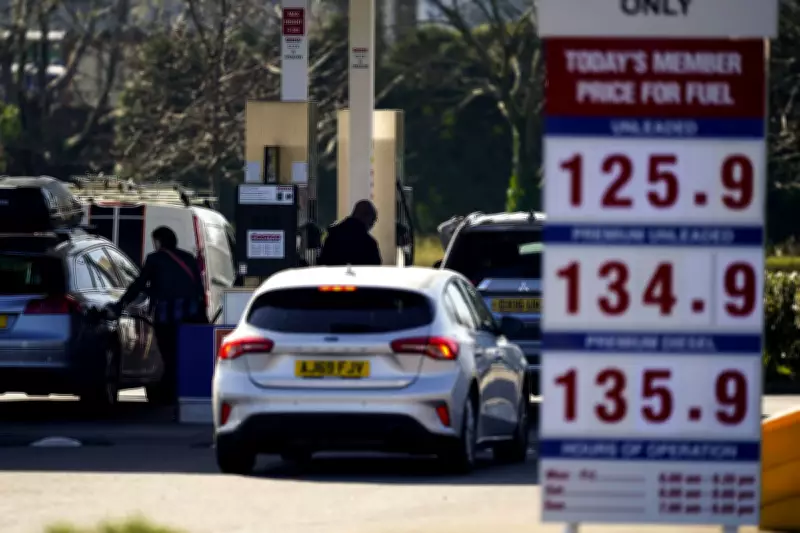
The last time oil prices soared to $150 per barrel was in 2008, following the financial crash. That period made filling a car feel like a painful dental procedure, prompting many to switch to electric vehicles as soon as they became viable. Today, the Iran crisis threatens to make those previous spikes look insignificant. The conflict has escalated as Iran retaliates by dragging neighbours into the fray and sabotaging oil infrastructure, sending shockwaves through the markets.
It is not just crude oil that is affected. Natural gas, a critical component in Britain's already inflated energy prices, is also surging. Suppliers are withdrawing deals daily, leaving businesses scrambling to secure fixed-cost contracts while they still can. The Federation of Small Businesses reports a surge in calls from anxious members feeling the pinch, with grave concerns about energy companies exploiting contract clauses to hike prices.

Widespread Economic Fallout and Inflationary Pressures
The victims of this turmoil are inevitably the most vulnerable: low-income households and small businesses operating on thin margins. High energy prices act like a virus, spreading inflation throughout the economy. Food prices are set to rise sharply because transportation costs are climbing, impacting everything from groceries to essential goods.
Businesses, unlike domestic consumers protected by Ofgem's energy price cap, have no such safeguards. The cap may fall slightly next month but is projected to rise again in July, offering little relief. While the end of winter reduces heating costs, the inflationary bug has already taken hold, threatening to cripple enterprises without financial cushions.
Government Response and International Coordination
In response, Chancellor Rachel Reeves is participating in an emergency G7 meeting, joining the US, France, Germany, Italy, Japan, Canada, and the EU. Japan has already proposed tapping into its oil reserves to cushion the blow, with other nations likely to follow. This crisis echoes the 2022 energy price shock, which prompted then-Prime Minister Liz Truss to implement an energy price guarantee, capping typical consumer bills at £2,500 and supporting businesses at a cost of around £50 billion.
If the situation persists, similar interventions may be necessary, though Chancellor Reeves faces a delicate balancing act. The UK relies heavily on foreign investors to service its debt, and they have expressed concerns about fiscal discipline. However, Reeves could argue that emergency measures are needed to prop up the economy, with a commitment to restore fiscal rules once stability returns.
Global Implications and Political Repercussions
Donald Trump claims the conflict will ultimately be "worth it," assuming regime change in Iran leads to a more favourable government. However, history suggests such outcomes are unlikely, given America's troubled track record in the Middle East. American consumers are also suffering, with petrol prices rising despite lower taxes, and public transport being scarce in many areas.
While Trump's legacy and his party may suffer, this is cold comfort for those facing food banks or business collapse. As oil prices show slight signs of calming amid frenzied trading, the underlying crisis remains, threatening to unleash a tsunami of price hikes that could devastate UK businesses unless the Iran war ends swiftly.






