

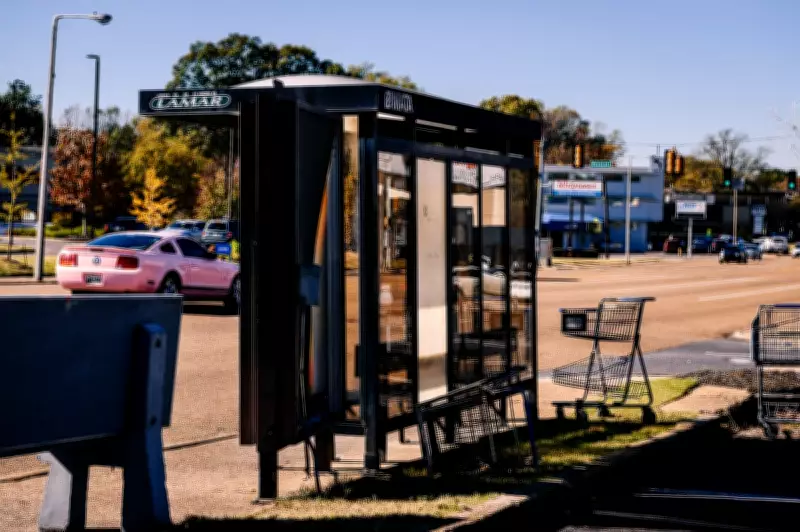
Two buses, three hours and 13 miles: that is the journey Zen'Yari Winters must endure to buy groceries in Memphis, Tennessee. Without a car, she relies on the Memphis Area Transit Authority (Mata), but buses are often late or absent. The only full-service grocer near her home closed in 2025, forcing her to either take two buses to a Walmart 13 miles away, risking hours of waiting with perishables, or pay $24 for an Uber back. Instead, she orders groceries online, paying $7 monthly delivery fee not covered by Snap benefits.
Millions in Transit Deserts
Winters is one of 16 million Americans without cars and nearly 25 million living in 'transit deserts' where public transport supply falls short of demand. Accessing healthy, affordable food becomes both an inconvenience and an extravagance. Some pay neighbors $60 for rides to supermarkets, according to Urban Institute research. A University of New Hampshire study found that adding one bus per 10,000 residents could modestly reduce household food insecurity.
Yet cities like Memphis, Providence, and Duluth have cut services, driven by what Art Guzzetti of the American Public Transportation Association calls a 'transit fiscal cliff'. As $70bn in Biden-era Covid relief funds expire, agencies economize by rerouting buses, reducing frequency, and removing stops. Sierra Arnold, a microeconomist at Xavier University, found that losing stops leads to fewer purchases of healthier foods, as people turn to local bodegas instead of traveling farther for nutritious options.

Memphis: A System in Crisis
In Memphis, Mata's post-Covid efforts to improve ridership and finances led to reduced service on many routes, while repairs for aging buses languished amid a leadership spending scandal. Activist Kelsey Huse notes that 'especially around upper-income and white people, the bus system is just a [corrupt] failure. They don't want to ride the bus, and people like Zen'Yari are just forgotten about.'
Rhode Island: Elderly Struggle
Rhode Island's state transit authority cut service on 45 of 63 routes in September 2025. Sherman Pines, a Newport resident, faces long waits and few shelters. 'That's just hard on an elderly person to stand there for 30 minutes or 45 minutes, it's raining, it's snowing,' he said. Epidemiologist Ric Bayly's 2025 study found that even with double travel time, less than half of residents had healthy food access via bus compared to car. 'Public transit is just a terrible way to get food,' he said, citing weather, weight, and bus drivers forbidding food carts.
Providence: Waiting Hours
Deborah L Wray, 70, in Providence, used to catch the 92 bus every half hour to Price Rite. Now it runs every two hours. 'You just sit there and wait because if you're not standing right at that bus stop [when it comes], you're out of luck,' she said. Price Rite doesn't accept her Medicare UCard for diabetes-friendly foods, so she takes other buses to Stop & Shop or Market Basket. Some evenings, she eats peanut butter from a pantry box.
Duluth: Highway Hazard
A survey of 100 Duluth residents identified Covid-reduced routes, long waits, limited cart space, and bad weather as primary barriers. The city set up a transportation commission, but changes sometimes make things worse. One changed bus stop now requires crossing a major highway to reach a supermarket.
Somerville: Aspirations Beyond Pantries
Somerville, with a 35% food insecurity rate in 2025, sees residents using buses to reach food pantries but wanting access to discount supermarkets, wholesale clubs, and ethnic markets like Super 88 Asian market. 'The biggest thing we hear is that people would like to be able to get to places outside of Somerville, and they're hard to get to without a car,' said coordinator Alissa Ebel.
Emerging Solutions
During Covid, Somerville tested Taxi to Health vouchers for rides to grocers. Demand-responsive transit (DRT) offers flexible alternatives. Microtransit uses vans to connect residents to supermarkets on a sliding scale. Some communities deploy mobile grocery stores. Guzzetti advocates for transit-oriented development: 'Make transit access a foremost consideration in location decisions.'

In Memphis, non-profit MyCityRides teaches residents to drive gas-powered scooters. Winters completed scooter school and is practicing. If she passes her motorcycle test, she can buy a scooter for $150 monthly over three years. 'Riding a scooter would be so much cheaper and easier than riding the bus and getting stuck at the bus stop for hours,' she said. 'I am hoping that soon I will be able to get one.'





