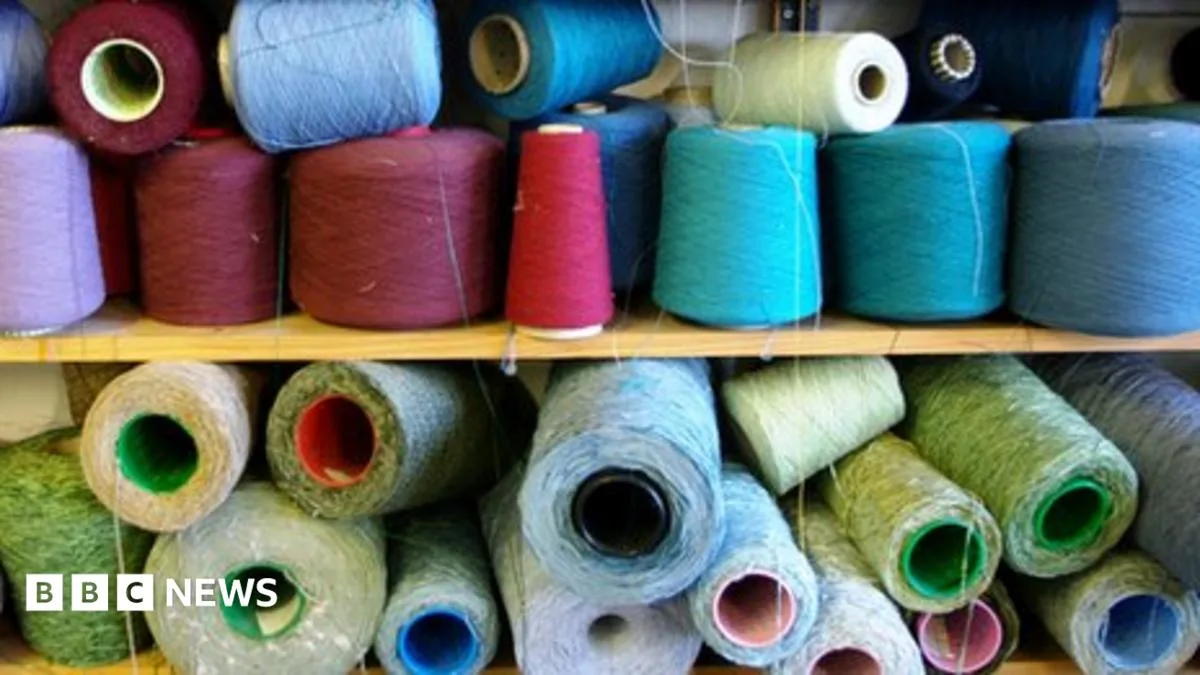
After decades of decline, Lancashire’s textile industry is experiencing a resurgence, proving it can compete globally. A century ago, the region exported a record seven billion square yards of cloth, but foreign competition, tariffs, and high costs led to a long downturn. Now, survivors are thriving by embracing new strategies.
Bill Collins, owner of Thornber Home and Leisure in Clitheroe, is among those leading the revival. His firm, one of Europe’s largest weavers, produces 60,000 metres of fabric weekly. “Order books remain healthy, though profit margins are tight against Turkey and China,” he notes. The company’s design team drives success with contemporary creations inspired by traditional sources.
Other firms have diversified to survive. Leigh Spinners, once a domestic carpet maker, now produces 150,000 square metres of artificial grass annually for schools and sports fields. Managing director John Morrison explains, “We had to survive, and grass was the alternative.” Similarly, John Spencer Textiles in Blackburn shifted from fine shirting to supplying the Ministry of Defence with combat fabrics, shrinking from 650 to 40 staff.
Innovation remains key. Lance Mitchell of Mitchell Interflex highlights the growing use of textiles in high-tech sectors like automotive and aerospace. In Nelson, only one of 60 cotton weaving plants remains: S Dawes Weaving, now owned by Stephen Shepherd. The firm survives by producing exclusive, high-cost fabrics in small runs, with designer Joanna Brockbank ensuring they meet niche demand.