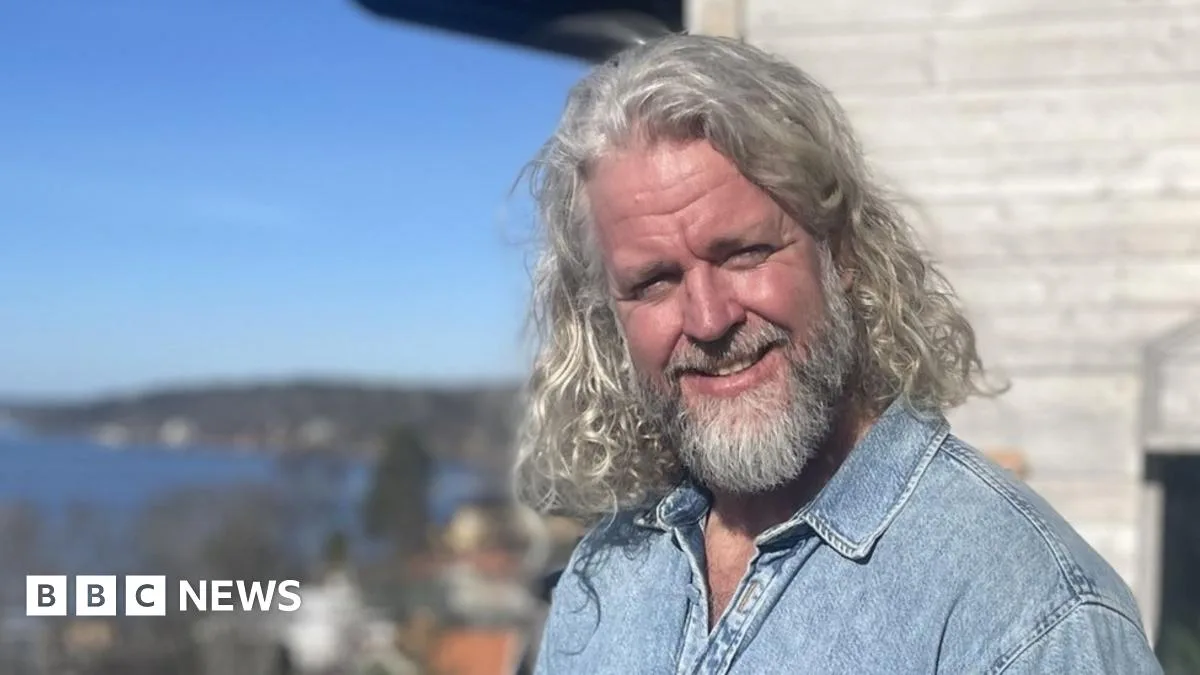
Sweden, long known for its high taxes and social equality, has paradoxically become a European haven for the super rich. On Lidingö island, just outside Stockholm, multimillion-pound villas dot the rocky coastline, home to entrepreneurs like Konrad Bergström, who made his fortune co-founding a headphones and speaker company. His wine cellar holds 3,000 bottles, and his property includes an outdoor pool, a gym upholstered in reindeer leather, and a nightclub with a metal urinal.
The number of Swedish billionaires has surged dramatically. In 1996, only 28 people had a net worth of one billion kronor (about $91 million today), mostly from long-established wealthy families. By 2021, there were 542 such billionaires, collectively owning wealth equivalent to 70% of Sweden's GDP, according to Aftonbladet. Forbes listed 43 Swedish dollar billionaires in 2024, equating to four per million people—double the US rate of two per million.
One driver is Sweden's thriving tech scene, often called the Silicon Valley of Europe. It has produced over 40 unicorn start-ups in two decades, including Skype, Spotify, and gaming firms King and Mojang. Veteran entrepreneur Ola Ahlvarsson attributes this to a 1990s tax rebate on home computers that accelerated digital connectivity, a collaborative start-up culture, and Sweden's appeal as a test market.
However, journalist Andreas Cervenka, author of Greedy Sweden, points to monetary policies as a key factor. Low interest rates and the abolition of wealth tax in 2007 have created a favourable environment for accumulating vast fortunes. “This has come about in a stealthy way,” he says. “In Stockholm, you can see the contrast between super rich areas and quite poor parts.”