The price of Brent crude oil surged above $125 a barrel overnight, its highest level since 2022, before easing back to $118 on Thursday morning. The spike comes amid fears of an escalation in the Iran conflict, with talks between the US and Iran over a permanent ceasefire proving ineffective. Oil was trading below $70 before the war began.
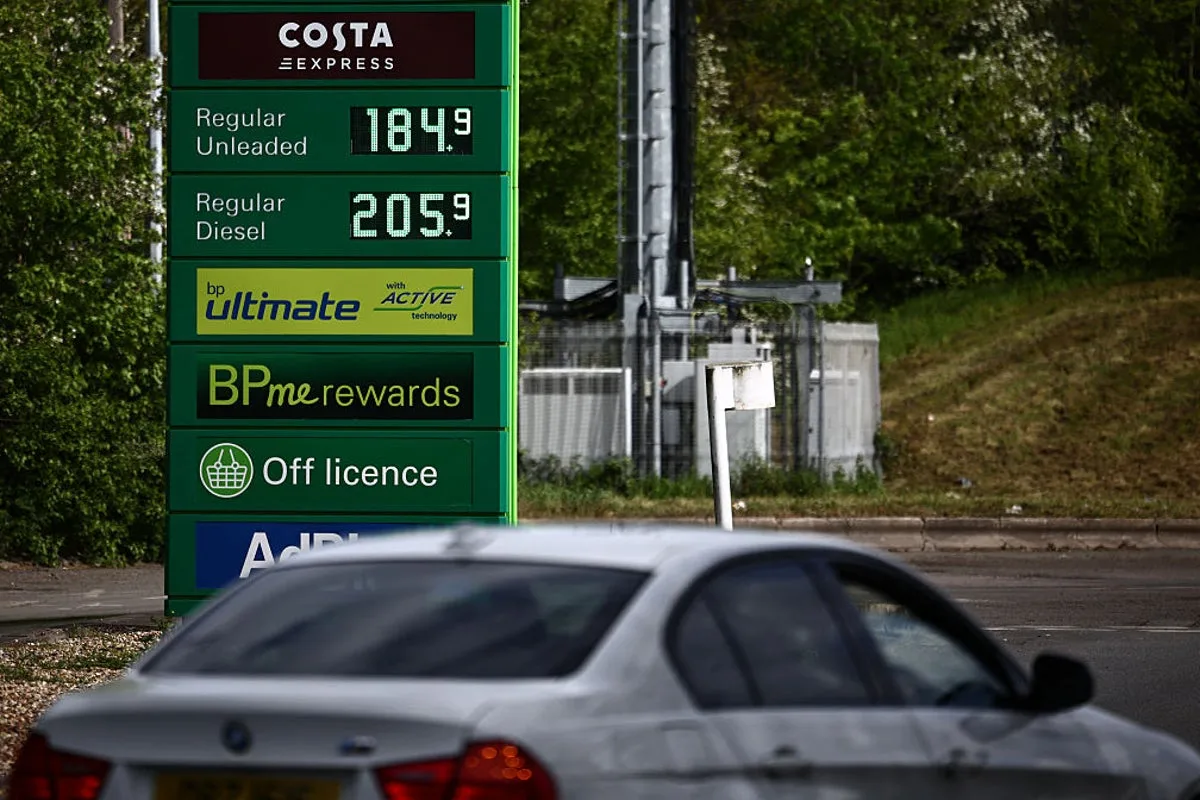
The surge is already being felt at the pumps, with petrol prices up by about 10p a litre and diesel by 15p. The AA reports average prices of 158p for petrol and 191p for diesel. Motoring groups warn that a sustained rise above $120 could lead to further increases for motorists in the coming weeks, as the impact typically takes two weeks to filter through.
While the energy price cap is largely driven by gas prices, off-grid households reliant on heating oil will face immediate pressure. The current cap is set at £1,641 per year until 30 June, but a significant rise is expected in July if oil prices remain high. Analysts warn that the cost of living could see a further squeeze.
Food prices are also at risk. The Food & Drink Federation has warned of a potential 10% rise in grocery costs, as higher energy and transport expenses feed through the supply chain. Dr Liliana Danila, chief economist at the FDF, said: “The war in Iran has delivered a cost shock that is already too large for manufacturers to absorb in full.” The Energy & Climate Intelligence Unit notes that poorer households will be disproportionately affected.