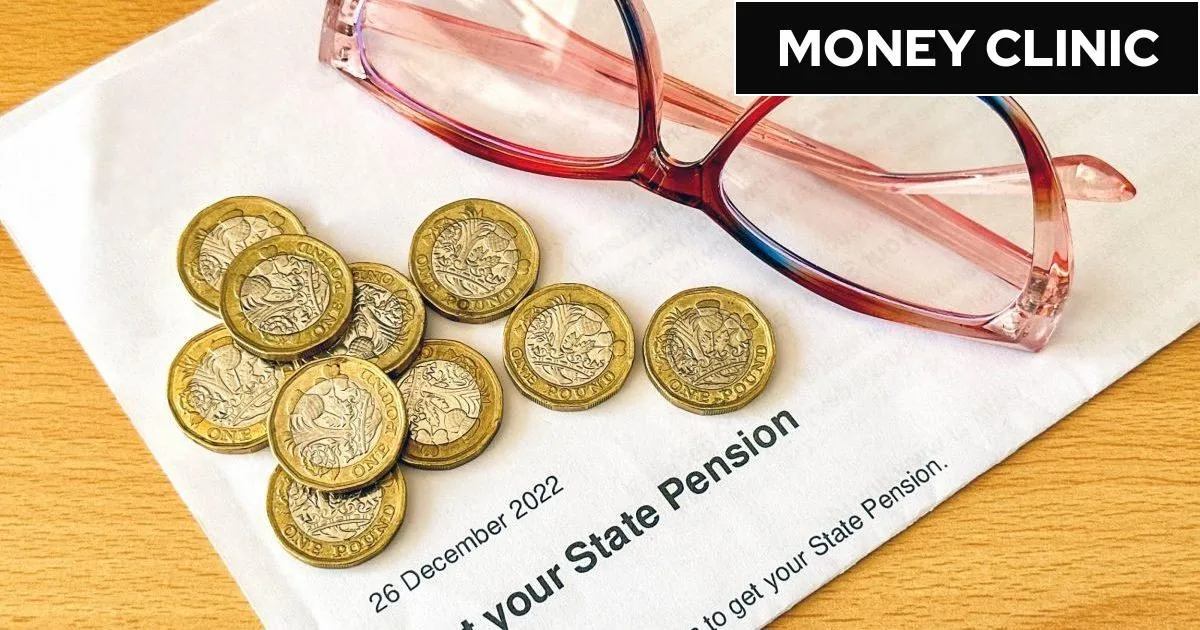
The state pension is set to increase by 4.7 per cent next April, adding more than £500 to annual payments, but the rise brings pensioners perilously close to the income tax threshold. Work and Pensions Secretary Pat McFadden confirmed the Government will maintain the triple lock for the remainder of this Parliament, with the increase linked to average earnings growth.
From April, the full new state pension will rise from £230.25 to £241.05 per week, equating to an annual income of £12,535 – just £35 below the frozen personal allowance of £12,570. The allowance has been fixed since 2021 and is due to remain unchanged until 2028. Consequently, pensioners relying solely on the state pension may face income tax for the first time from 2027.
The development presents a political headache for Chancellor Rachel Reeves, who is preparing for the autumn budget amid tight public finances. After a recent U-turn on removing universal winter fuel payments, the Government is wary of further alienating older voters. Experts suggest Reeves could exempt the state pension from tax to avoid another confrontation.
Liberal Democrat Treasury spokesperson Daisy Cooper criticised the previous Conservative administration, stating: “By running our economy into the ground and freezing the personal allowance for years, the Conservatives hit retirees with a hammer blow.” Steve Webb, architect of the triple lock, noted that many pensioners on the old system already pay tax on their state pension.
The triple lock’s long-term affordability remains in question. A report by the Office for Budget Responsibility indicates its cost could triple by 2030 compared to initial estimates, raising doubts about its future beyond this Parliament.