

Chancellor Rachel Reeves has issued a stark warning that the ongoing conflict in Iran is likely to exert upward pressure on inflation in the coming months. This caution follows Prime Minister Sir Keir Starmer's remarks that prolonged hostilities in the Middle East could inflict economic damage on the UK.
Coordinated Response to Economic Shock
In response to the crisis, Ms Reeves stated she is prepared to back a coordinated release of international oil reserves to mitigate the economic shock. She emphasised the need for actions to ensure the security of vessels navigating the Strait of Hormuz, a critical chokepoint for global oil shipments.
G7 Discussions and Market Impact
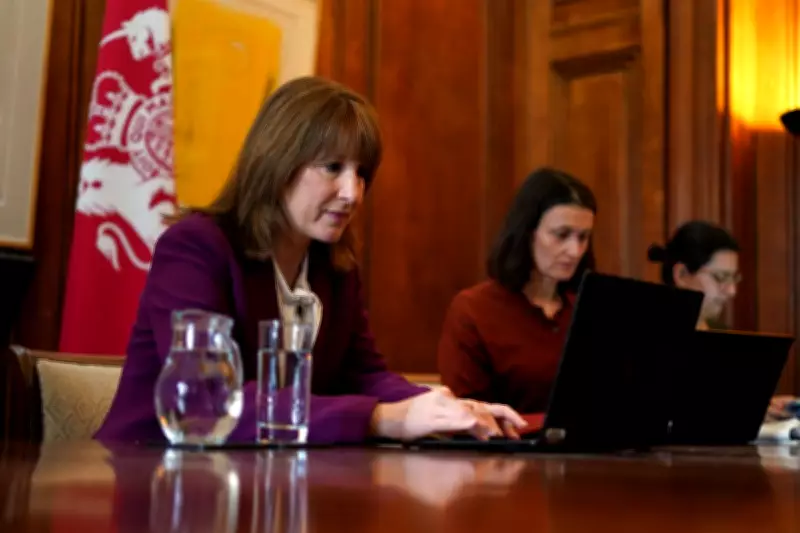
The Chancellor participated in a virtual meeting with G7 finance ministers on Monday to explore the possibility of such a reserve release. However, the discussions concluded without a firm agreement on immediate measures. Concurrently, oil prices have surged above $100 per barrel for the first time since 2022, reflecting market anxieties over supply disruptions.

Addressing the House of Commons after the G7 talks, Ms Reeves articulated a clear-eyed approach: "My economic strategy will be both responsive to a changing world and responsible in the national interest." She highlighted that the economic repercussions hinge on the severity and duration of the conflict, noting that existing market movements are poised to drive inflation upward in the near term.
Measures to Safeguard Stability
Ms Reeves reaffirmed her readiness to support a coordinated oil reserve release through the International Energy Agency. She underscored efforts to bolster Britain's economic resilience, citing stability in public finances, investments in defence and energy infrastructure, and broader economic reforms.
To combat potential exploitation, the Chancellor has directed the competition watchdog to closely monitor fuel pump prices and domestic heating oil costs. She asserted, "I will not tolerate any company exploiting the current crisis to make excess profits at consumers' expense."
Broader Economic and Security Ramifications
The conflict's ripple effects extend across various sectors:
- The AA has advised motorists to consider reducing non-essential journeys as fuel prices are anticipated to climb.
- Mortgage lenders have increased rates amid the escalating tensions, according to financial data from Moneyfacts.
- Global financial markets experienced further declines on Monday, driven by concerns over an impending energy supply crisis.
- The UK government has initiated rescue flights to repatriate Britons from Dubai, with the first flight scheduled to depart from the United Arab Emirates.
- Downing Street has dismissed speculation regarding the deployment of HMS Prince of Wales to the eastern Mediterranean, clarifying that the aircraft carrier remains part of Arctic deployment plans.
Political Developments in Iran
In a significant political shift, the Iranian regime has appointed Mojtaba Khamenei as the new supreme leader, succeeding his father, Ayatollah Ali Khamenei, who was killed in US-Israeli strikes during the conflict's initial phase.






