

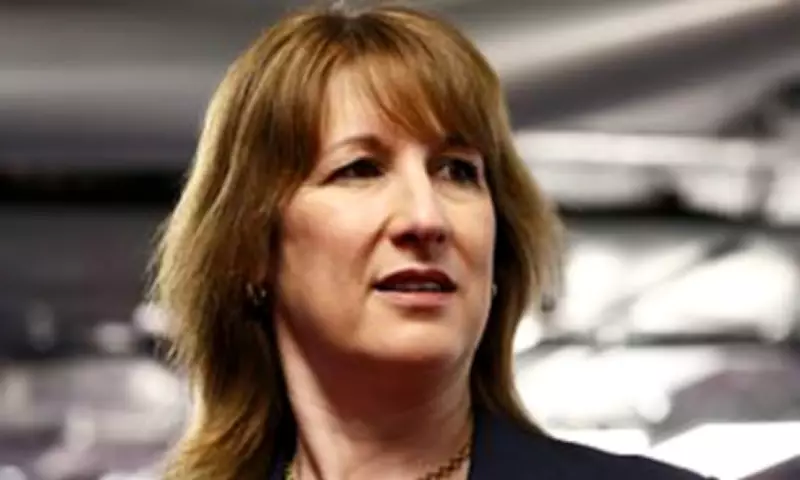
Chancellor Rachel Reeves is set to deliver an upbeat assessment of the economy this Tuesday, asserting that Labour's economic strategy is finally yielding results. Her annual spring statement will coincide with the release of updated forecasts from the Office for Budget Responsibility, providing a platform to showcase what she terms a 'stronger and more secure economy.'
Polling Reveals Deep Voter Pessimism
However, this optimistic narrative clashes starkly with new polling data from the More in Common think tank. The survey indicates that a significant majority of voters remain deeply pessimistic about their financial futures. Specifically, 58% of respondents fear that the cost of living crisis may never conclude, with an additional 23% doubting it will end within this year.
Labour's Support Eroding Among Key Voters
The polling further exposes vulnerabilities for the Labour Party. While the party retains 54% of those who supported it in the 2024 election, this figure plummets to just 38% among voters who are most anxious about rising prices and lack confidence in the Chancellor's ability to address them. This suggests a growing disconnect between the government's economic messaging and the lived experiences of the electorate.

In her statement, Ms. Reeves is expected to emphasize declining inflation and interest rates as evidence of progress. She will argue, 'This government has the right economic plan for our country in a world that has become yet more uncertain,' highlighting commitments to fiscal stability, infrastructure investment, and economic reforms aimed at fostering nationwide growth.
Public Perception Lags Behind Economic Indicators
Despite these positive indicators, the poll reveals that public awareness and perception have not kept pace. Only 19% of voters believe inflation has fallen recently, compared to 51% who think it is still rising. Similarly, just 32% are aware that interest rates have decreased since the election, with 30% incorrectly believing they have increased.
Conversely, 67% of people correctly recognize that unemployment has risen under Labour's tenure. This juxtaposition underscores the challenge facing the Chancellor: economic improvements are not translating into a sense of financial security for many households.
Continued Financial Strain on Households
The survey details ongoing financial pressures, with 46% of respondents reporting they still go out less to save money. A similar proportion shop around for cheaper groceries, and 36% have turned down their heating due to bill concerns. These behaviors indicate that the cost of living crisis continues to dictate daily decisions for a large segment of the population.
Luke Tryl of More in Common cautioned, 'It won't be enough for the Chancellor to simply reel off upbeat economic figures if people still aren't feeling the impact in their day-to-day lives.' He noted that focus groups consistently share stories of cutting back on essentials, with a growing fear that the crisis is permanent.
Tryl added, 'While the government may want to celebrate signs of economic improvement, it will need to take care not to appear blind to the fact that, for many, the economy feels as broken as ever.' This warning highlights the risk that Ms. Reeves could be perceived as out of touch if she declares victory prematurely on the cost of living front.
The spring statement thus presents a delicate balancing act: showcasing economic gains while acknowledging the persistent hardships faced by voters. The Chancellor's ability to bridge this gap will be critical in maintaining public trust and political support amidst widespread economic anxiety.






