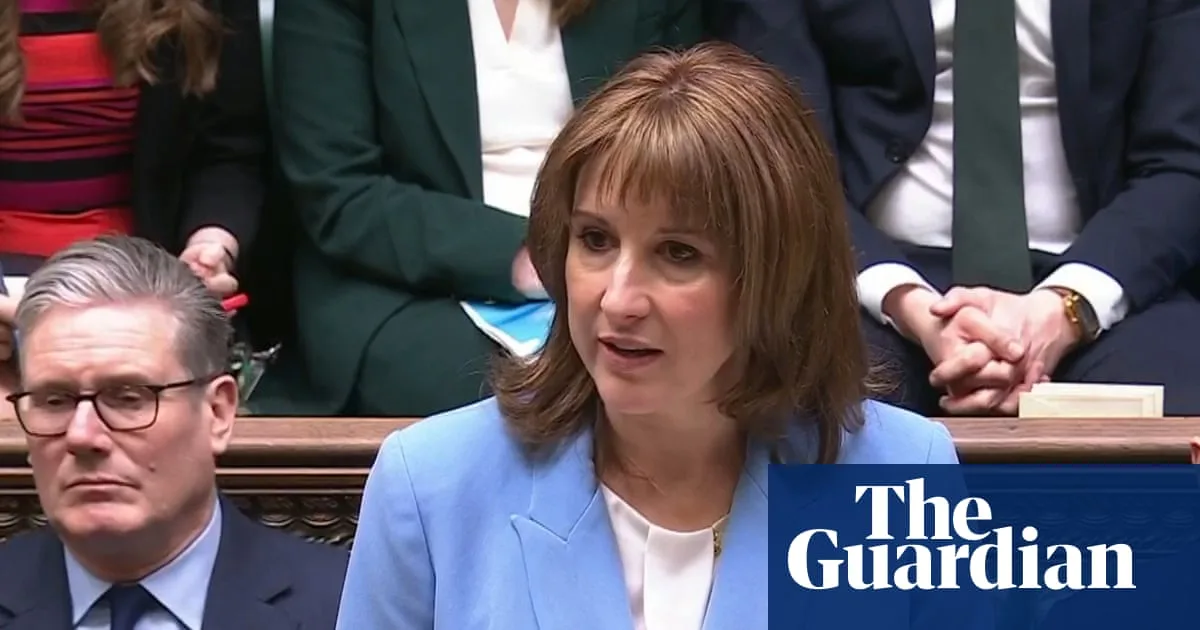
Chancellor Rachel Reeves delivered a surprisingly optimistic spring statement on Wednesday, insisting that inflation, borrowing, and living standards were improving. However, the upbeat tone masked significant economic risks, including global turbulence and geopolitical tensions that could undermine the government's fiscal plans.
The Office for Budget Responsibility (OBR) downgraded its growth forecast for 2026 from 1.4% to 1.1%, and unemployment is now expected to peak at 5.3%, up from 4.9%. Reeves acknowledged that growth would be 'slightly slower' this year, but maintained that Labour's economic plan was the right one for an increasingly uncertain world.
The statement came against a backdrop of tumbling markets and rising geopolitical risk, following the US and Israeli attack on Iran, which sparked a surge in oil and gas prices. The OBR's forecasts were finalised before the conflict escalated, leaving the UK's economic stability vulnerable to external shocks.
Heather Stewart, the Guardian's economic editor, noted that Reeves' message of restored stability depends heavily on events in the Middle East. 'If it doesn't last very long, and energy prices come back to something a bit more like normal, the markets calm down, then it won't do particularly lasting damage to the UK economy,' she said.
Despite the chancellor's assurances, markets reacted negatively, with the FTSE falling and the pound plunging. Expectations of a near-term interest rate cut have also diminished as energy prices rise. Labour argues that real wages are rising and households will be about £1,000 a year better off by the next election, but the fragility of the global environment casts doubt on these projections.