

Reeves Confronts 'Tone Deaf' Criticism Over Energy Prices as Middle East Tensions Escalate
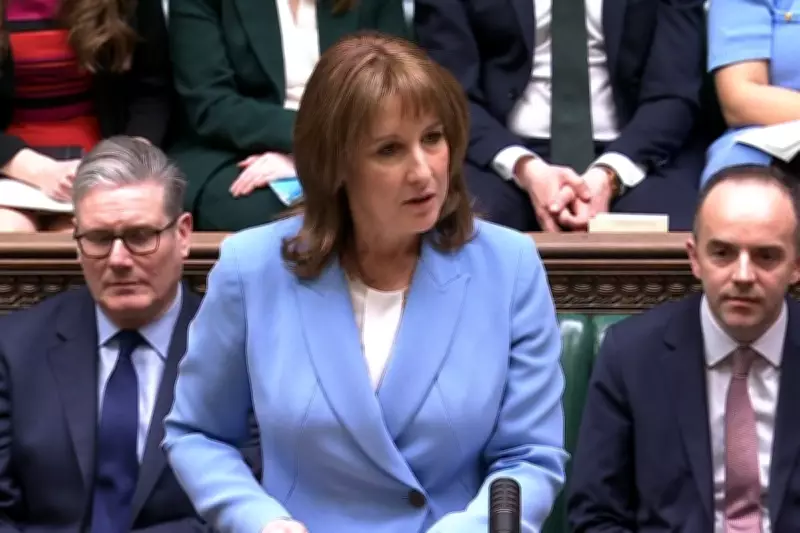
Chancellor Rachel Reeves has been accused of displaying a "tone deaf" approach to escalating energy prices, as she delivered the government's spring economic forecast amidst deepening Middle East conflict. The political clash unfolded as the Office for Budget Responsibility presented a sobering assessment, downgrading growth projections and predicting rising unemployment alongside increasing net migration figures.
Economic Forecast Paints Grim Picture
The OBR's report revealed several concerning economic indicators that have prompted criticism from opposition parties. According to their projections, real GDP growth is expected to slow from 1.4 percent in 2025 to just 1.1 percent in 2026. The unemployment rate is forecast to rise from 4.75 percent in 2025 to a peak of 5.33 percent in 2026, while wage growth is predicted to slow to approximately 3.5 percent in 2026 before averaging 2.25 percent annually in subsequent years.
In more positive news, the main inflation rate is projected to fall from 3.4 percent in 2025 to 2.3 percent in 2026. However, borrowing is forecast to decrease to 4.3 percent of GDP, still significantly above the government's 2 percent target.

Middle East Conflict Sparks Energy Price Surge
The economic forecast arrives against a backdrop of escalating tensions in the Middle East, with recent military actions causing immediate disruption to energy markets. The UK's benchmark gas price surged by 54 percent on Monday, while Brent crude oil prices increased by approximately 9 percent due to shipping route disruptions in the region.
Despite these market shocks, Chancellor Reeves offered no specific proposals to cap energy bills or prevent fuel cost increases, drawing criticism from across the political spectrum. She defended her position by stating the government was in a "better place" to handle gas and oil price shocks compared to the period following the last general election.
Political Criticism Intensifies
Opposition MPs challenged the chancellor's approach, with Labour MP Graeme Downie, a member of the Commons energy select committee, urging greater attention to energy security and short-term assistance for consumers. SNP economy spokesperson Dave Doogan described the spring statement as "a 40-minute self-aggrandising monologue" and questioned how it would resonate with those facing economic hardship.
Conservative former chancellor Sir Jeremy Hunt noted that Reeves' budget promise to reduce household energy bills by £150 "is going to ring hollow for many people" given current circumstances. Tory shadow chancellor Sir Mel Stride went further, branding the statement a "surrender statement" and accusing the government of abandoning the British people.
Reeves Defends Economic Strategy
The chancellor remained steadfast in her defense of government policy, asserting that "this government has the right economic plan for our country, in a world that has become yet more uncertain." She emphasized regular communication with the Bank of England governor, international counterparts, and key industries affected by the Middle East situation.
Reeves announced plans to meet with North Sea industry leaders on Wednesday to discuss implications of the crisis, though this prompted speculation about potential tax burden considerations for the sector. She also highlighted her record as the chancellor who provided "the biggest uplift in defence spending" since the last Labour government, though she offered no specific timetable for meeting the 3 percent of GDP defence spending target.
Broader Political Context
The spring statement occurred within a highly politicized environment, with Reeves taking aim at Reform UK and the Green Party while cautioning against any "change of course" from critics within her own party. Liberal Democrat deputy leader Daisy Cooper criticized what she described as "a doom loop of low economic growth" and called for improved trade and security arrangements with Europe to stimulate economic expansion.

Despite acknowledging that "the economy is not yet working for everyone," Reeves maintained that the OBR forecasts confirmed the government's plan was working, citing reduced inflation, decreased borrowing, improved living standards, and economic growth as evidence of progress.





