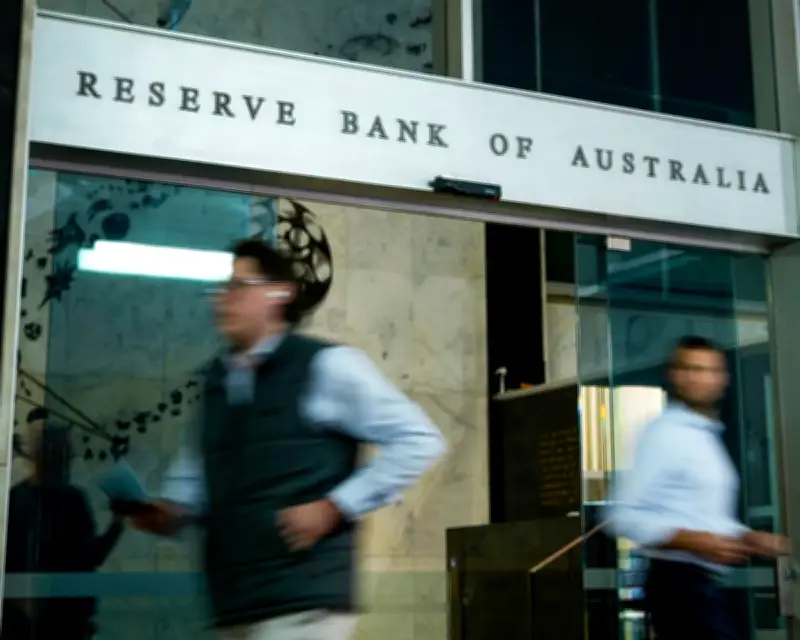
The probability of the Reserve Bank of Australia raising interest rates next month has dropped sharply to 3% following the release of June inflation data, which showed annual inflation at 3.8% – lower than the 4.0% recorded in May and below market expectations.
Just days earlier, investors had priced in a 47% chance of a rate rise after June employment figures showed solid job growth, despite unemployment and underemployment also rising. The about-face reflects a reassessment of the economic outlook, with the latest inflation figures extinguishing any near-term tightening prospects.
Inflation drivers and fuel prices
The biggest factor in the monthly inflation drop was a nearly 11% fall in petrol prices, as oil prices declined amid easing tensions in the Iran conflict. However, fuel prices are expected to rebound in July due to higher oil costs and the reduction of the government's fuel excise cut.
Electricity prices were the largest contributor to annual inflation over the past year, but this is largely due to the fading effect of federal and state energy subsidies that were in place a year ago. These subsidies will drop out of the figures next month, likely lowering the overall inflation rate further – especially since half a percentage point of the 3.8% annual figure came from that electricity price jump.
Mixed consumer experiences
The official inflation numbers may not reflect people's everyday cost-of-living experiences. For example, lamb prices rose 15% over the year, beef 12%, and tea and coffee 5.1%. In contrast, motor vehicle prices rose less than 3.8%, while egg prices fell 5.4%. The consumer price index is weighted to average household spending, but consumers often focus on items they purchase frequently.
Additionally, the inflation figures do not include home loan repayments, which have increased in recent months. Those costs will be captured in the cost-of-living statistics due next week.
Outlook for rates
While the market now expects no rate rise in August, the possibility of a move later remains. The June inflation data has pushed back expectations of the next increase to early next year, rather than November. However, analysts continue to watch for any signs the RBA might use as a reason to raise the cash rate, reflecting what the article describes as a 'ghoulish' focus on rate hike triggers.