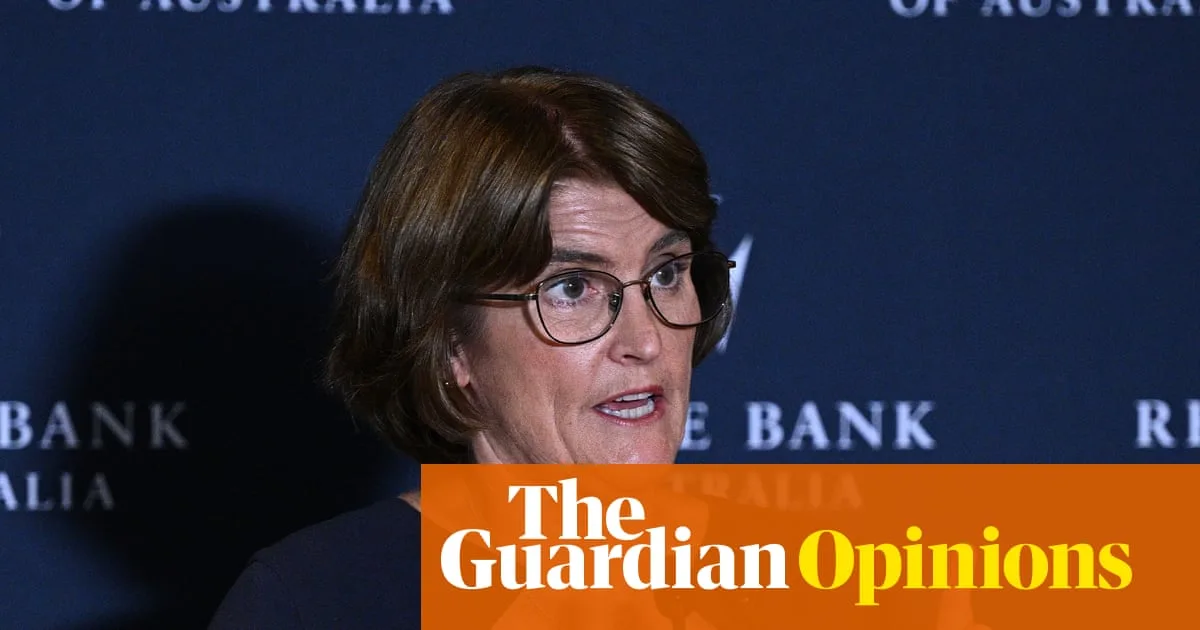
The Reserve Bank of Australia's decision to raise interest rates on Tuesday came as little surprise to financial markets, but a split vote among the monetary policy board—five in favour of hiking and four wanting to hold—highlighted the uncertainty. Governor Michele Bullock stated that higher petrol prices were 'not the reason for today’s decision,' despite recent spikes driven by Middle East conflict and alleged price-gouging.
The RBA has consistently argued that inflation remains too high because 'demand exceeds the economy’s supply capacity.' With supply unable to expand quickly, the central bank uses interest rates to curb spending. However, critics note that monetary policy acts with long delays, and current settings may not reflect future conditions.
Consumer spending has already weakened, with confidence plummeting after December and January data. The combined February and March rate rises risk further dampening sentiment, alongside higher petrol prices and global uncertainty. Between mid-2021 and December 2025, inflation outpaced wages by five percentage points, and the RBA expects real wages to fall further.
On the positive side, many borrowers have built up savings from additional mortgage repayments, which could cushion the impact. However, the federal budget in May remains a key unknown, as restrained government spending could assist the RBA in managing inflation without further rate hikes.