

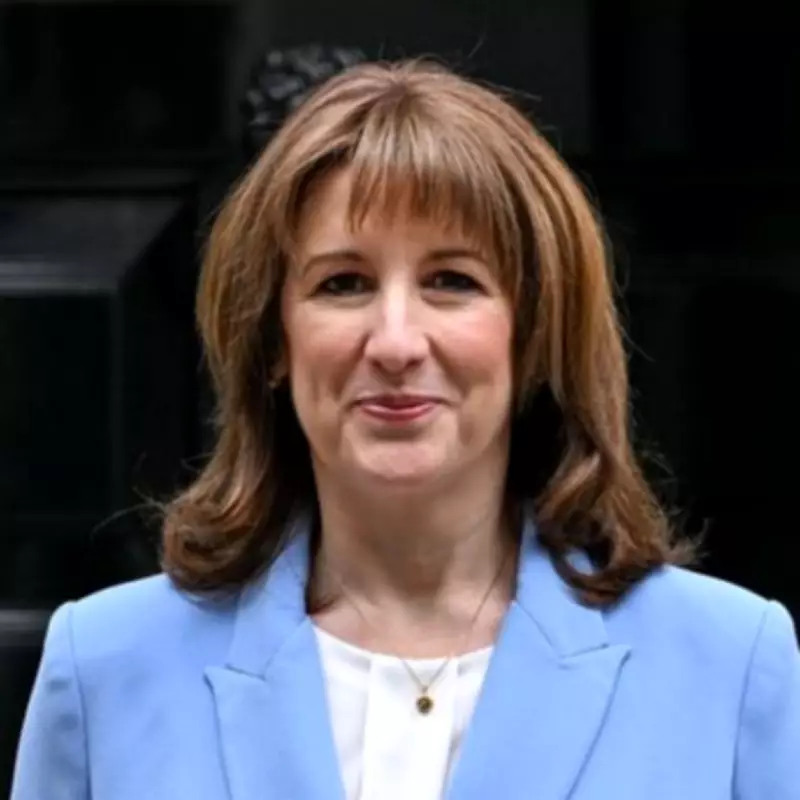
Chancellor Rachel Reeves Unveils Spring Statement with £1,000 Boost for Brits
Chancellor Rachel Reeves has delivered her Spring Statement to MPs in the House of Commons, insisting her economic plans will shield families in an increasingly uncertain global landscape. In a concise 23-minute address, she outlined a strategy focused on stability, investment, and reform, breaking with what she termed "the failed economic dogmas of the past."
Key Economic Forecasts and Growth Projections
Ms Reeves announced that, according to the Office for Budget Responsibility (OBR), people are forecast to be £1,000 better off per year by the next election, expected in 2029. This projection accounts for inflation and is based on GDP per person growing by 5.6% over the course of this parliament, a significant improvement compared to a fall in GDP per capita during the previous parliament.
The Chancellor detailed that while growth is slightly downgraded for 2026 to 1.1%, it is upgraded for subsequent years: 1.6% in both 2027 and 2028, and 1.5% in both 2029 and 2030. She emphasized that this growth trajectory is designed to make working people better off, though she admitted she is not yet satisfied with the forecasts, citing "deep economic scars" left by the previous Conservative government.

Defence Spending and International Alliances
In her speech, Ms Reeves highlighted a major uplift in defence spending, describing it as the biggest since the Cold War. This includes £650 million committed in January to upgrade Typhoon fighter jets, a new Royal Navy frigate launched from Rosyth last week, and a £1 billion helicopter deal with Leonardo announced just yesterday.
She also revealed plans for her second Mais lecture, a key annual economic address, which will focus on three pillars: strengthening international alliances, particularly with European partners; harnessing the power of AI to boost innovation; and unlocking opportunities across all regions of Britain to ensure broad-based economic growth.
Fiscal Improvements and Borrowing Reductions
The Spring Statement outlined positive fiscal developments, with government borrowing set to fall by nearly £18 billion compared to autumn forecasts. Public sector net borrowing is projected to decrease from 4.3% this year to 3.6% next year, eventually reaching 1.8% in 2029-30. Ms Reeves noted that this year, borrowing is expected to be less than the G7 average, an achievement she attributed to her government's policies.
Labour Market and Inflation Trends
On the labour front, unemployment is forecast to peak later this year before declining in every subsequent year, ending the forecast period at 4.1%, lower than at the start of the parliament. However, Ms Reeves acknowledged ongoing challenges, especially for young people affected by what she called "Tory legacy of neglect," with plans for further reforms to be unveiled in the coming weeks.
Inflation is set to fall faster than previously expected, with CPI inflation projected at 2.3% for 2026, down from the OBR's November forecast of 2.5%. This decline is driven by factors such as greater economic slack and lower food and energy prices. However, the OBR cautioned that these forecasts were calculated before recent escalations in conflict in Iran, which could impact gas and oil prices and potentially alter inflation outcomes.
Ms Reeves concluded by reaffirming her confidence in Britain's ability to navigate current challenges, stating: "I am in no doubt about Britain's ability to navigate the challenges we face. The plan that I have been driving forward since the election is the right one - stability in our public finances, investment in our infrastructure including our Armed Forces, and reform for Britain's economy."






