Residents of North Korea’s capital, long accustomed to grappling with concerns ranging from famine to nuclear war, are now confronting a more mundane modern dilemma: securing a parking spot.
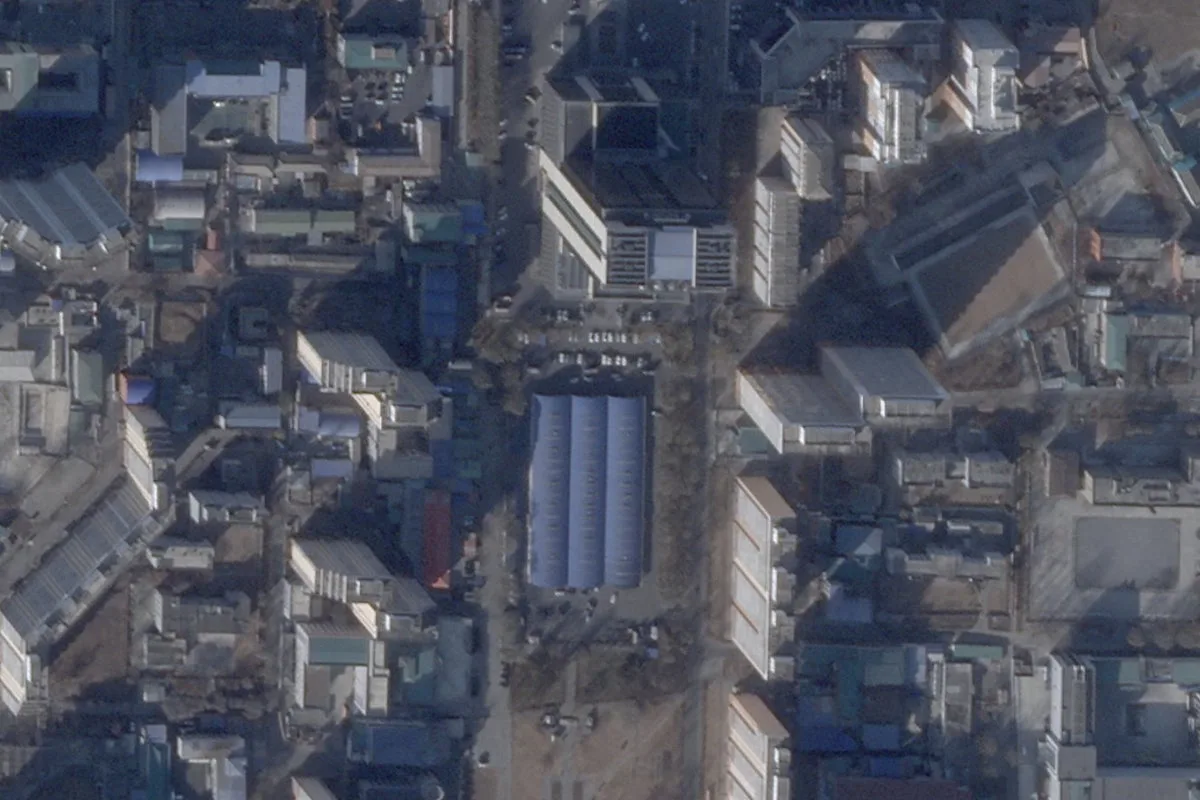
Pyongyang is experiencing an unprecedented surge in passenger vehicles, leading to the city’s first instances of traffic congestion and necessitating the development of new parking facilities and electric vehicle charging infrastructure, according to three recent visitors and satellite imagery reviewed by Reuters.
Signs of this transformation are evident across the city. Car parks at several hotels are now routinely full, with vehicles often overflowing onto adjacent streets. Similarly, the areas surrounding the Gold Lane bowling alley and the suburban Rakrang Market, a key hub for groceries, are increasingly crowded with cars.
Even North Korean leader Kim Jong Un acknowledged the trend in April, visiting an auto-service centre where he inspected various vehicles, their specific makes and models conspicuously concealed under silver cloths.
The boom follows changes to North Korean law that formalized private car ownership over the past two years, allowing licensed drivers to buy one vehicle per household through state-certified dealers. Owning a car is still mostly the preserve of the elite and the entrepreneurial class known as donju, analysts say.
License plates in Pyongyang were traditionally blue or black, indicating state or military ownership. But yellow plates for private cars are becoming ubiquitous, two recent visitors told Reuters. A Singaporean photographer said he was stunned to find himself caught in a traffic jam in Pyongyang in October during his 20th visit to the country.