Texas Doctor Links Ozempic to Art's Changing Depiction of Obesity
Ozempic Could Change Art's Depiction of Obesity, Doctor Says

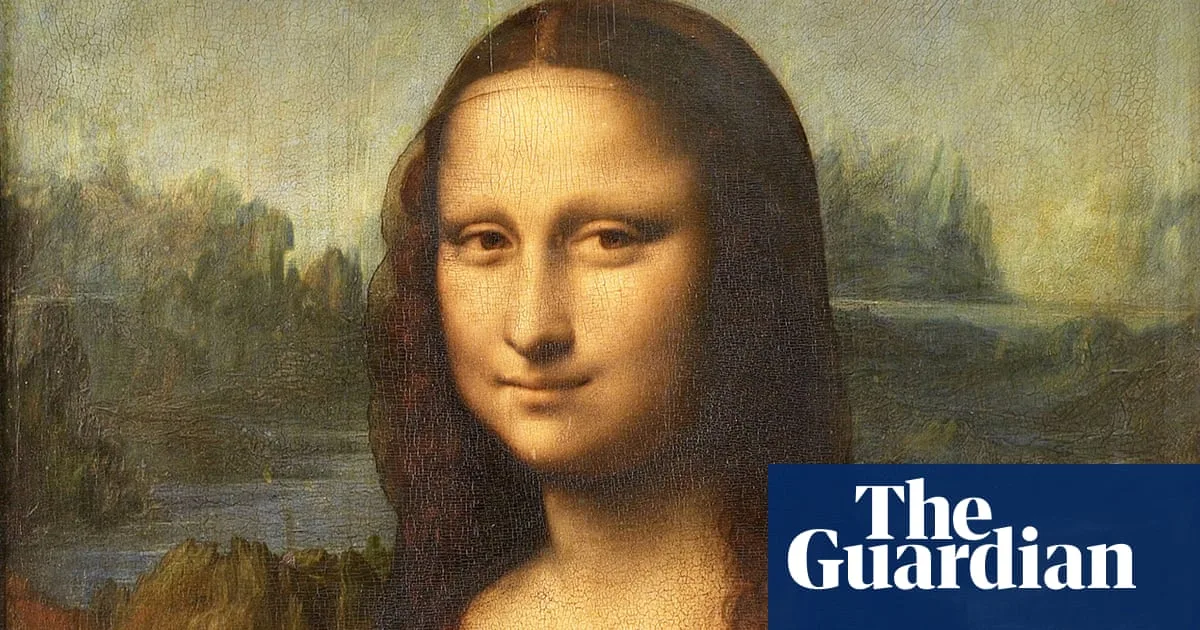
A Texas physician has suggested that the model for Leonardo da Vinci's Mona Lisa was overweight, and that the increasing use of weight-loss drugs like Ozempic could lead to the disappearance of larger body types in modern and future art, further stigmatising obesity.

Historical Perspective on Obesity in Art

Dr Michael Yafi, a paediatric endocrinologist at the University of Texas Health Science Center in Houston, presented his views at the European Congress on Obesity in Istanbul. He noted that throughout history, being overweight was often a symbol of wealth and prosperity, inspiring many iconic works of art.

“Men with obesity were portrayed as heroes, leaders, royals and nobles, and women with excess body fat were symbols of beauty, fertility and prosperity,” Dr Yafi stated, as reported by The Independent.

Wide Pickt banner — collaborative shopping lists app for Telegram, phone mockup with grocery list

He cited examples such as the Venus of Willendorf, a 30,000-year-old statuette depicting a woman with a large belly, breasts and hips. He also referenced ancient Greek portrayals of Pluto, the god of wealth, who was frequently depicted as obese. Additionally, he noted that 29 out of 36 Ottoman emperors who reigned between 1258 and 1929 were shown as overweight or reported to have obesity.

Of course, Dr Yafi also mentioned the Mona Lisa, arguing that the Italian noblewoman believed to be the model, Lisa Gherardini, was overweight due to her four pregnancies.

Impact of GLP-1 Drugs on Art and Stigma

Dr Yafi proposed that physicians should study historical artistic depictions of obesity to better understand how it was perceived in the past, which could help them offer more empathetic treatment today. “If physicians see that obesity was for centuries viewed as a positive thing, it will help them be non-judgmental and more empathic,” he said.

He also expressed concern that the rapid rise of GLP-1 weight-loss drugs, such as Ozempic, will cause depictions of overweight people to decline in contemporary and future art. These drugs often result in gaunt facial features, which Dr Yafi termed “GLP-1 face.” He remarked, “I am sure that if Picasso had been alive today, he would have painted it.”

Rising Use of GLP-1 Drugs

Use of GLP-1 drugs has indeed surged in recent years. According to a Gallup survey of 15,000 US adults, 12.4 percent reported taking such medications in mid-2025, up from 5.8 percent in February 2024. This upward trend is expected to continue as pharmaceutical companies invest in research and marketing, and as the drugs show promise for addiction treatment.

Dr Yafi noted that obesity only began to be stigmatised in art and media during the second half of the 20th century, “which led to images of thin, often unrealistically thin, men and women being glorified.” He added, “Suddenly, thin people became beautiful and the women who inspired artists for centuries were no longer considered attractive.”

If the use of GLP-1 drugs continues to rise rapidly, causing more Americans to lose weight, the stigma surrounding obesity could worsen, according to Dr Yafi.

Pickt after-article banner — collaborative shopping lists app with family illustration