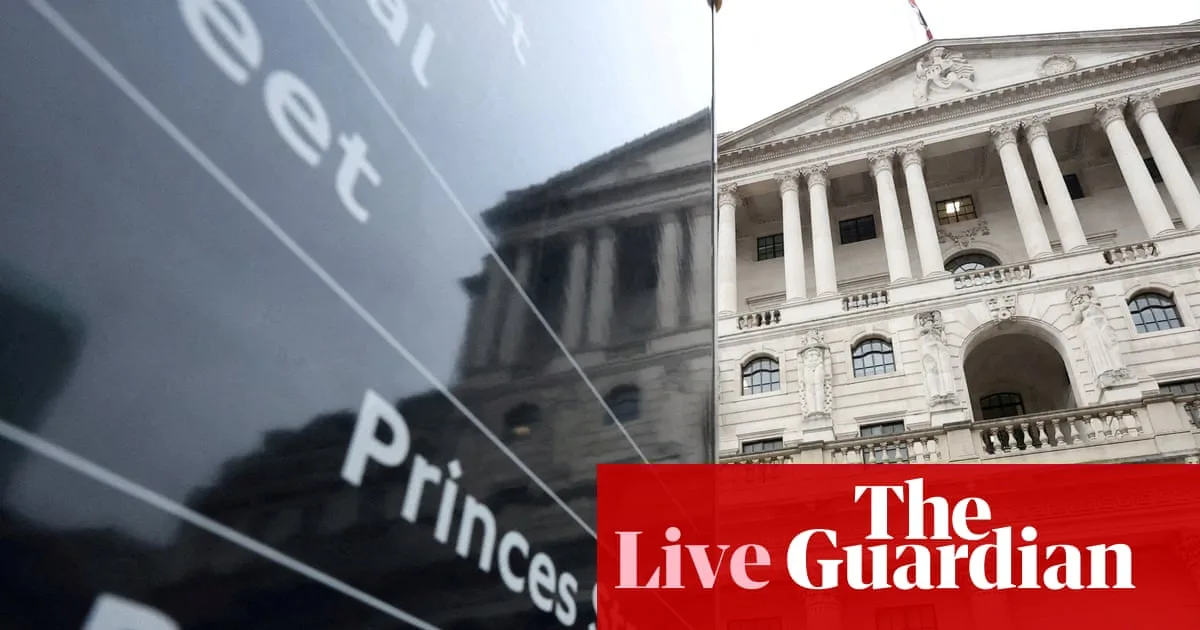
The escalating conflict in the Middle East is threatening to delay a much-anticipated cut in UK interest rates, as rising oil and gas prices stoke inflation concerns. Former Bank of England policymaker Michael Saunders has indicated that the Monetary Policy Committee (MPC) is unlikely to cut rates at its March meeting due to uncertainties surrounding the crisis. ING has also pushed back its forecast for the next rate cut to April, unless energy prices fall rapidly.
Major UK lenders, including HSBC, Nationwide, and Coventry Building Society, have already announced increases in fixed mortgage rates, citing funding cost increases driven by the turmoil. Brokers predict other lenders will follow suit. The rise in swap rates, which lenders use to price fixed mortgages, reflects the heightened uncertainty in financial markets.
Oil prices surged 3.3% on the day, while European gas prices also edged higher. The UK's FTSE 100 fell 1% to 10,464 points, mirroring global market volatility. Ministers are reportedly discussing potential intervention to protect households from soaring energy bills if the conflict persists. Household energy bills are fixed until July, but forecasts suggest the price cap could rise by 10%, adding £160 to the average annual bill.
The crisis has also impacted businesses. Low-cost airline Wizz Air issued a profits warning, estimating that the conflict will wipe €50m off its profits this financial year, citing suspended Middle East services and adverse macroeconomic factors. Meanwhile, the Japanese carmaker Nissan has warned it could close its Sunderland plant if the UK is not fully included in new EU 'Made in Europe' manufacturing rules.