

Oil Price Surge Threatens Global Economy Amid US-Israel-Iran Conflict
Economists are raising alarms that a prolonged conflict in the Middle East could severely impact living standards globally, as oil prices soar past $100 a barrel due to the US-Israel war with Iran. This surge threatens to reignite inflation and destabilise financial markets, with consumers and businesses facing rising costs.
How High Could Oil Prices Climb?
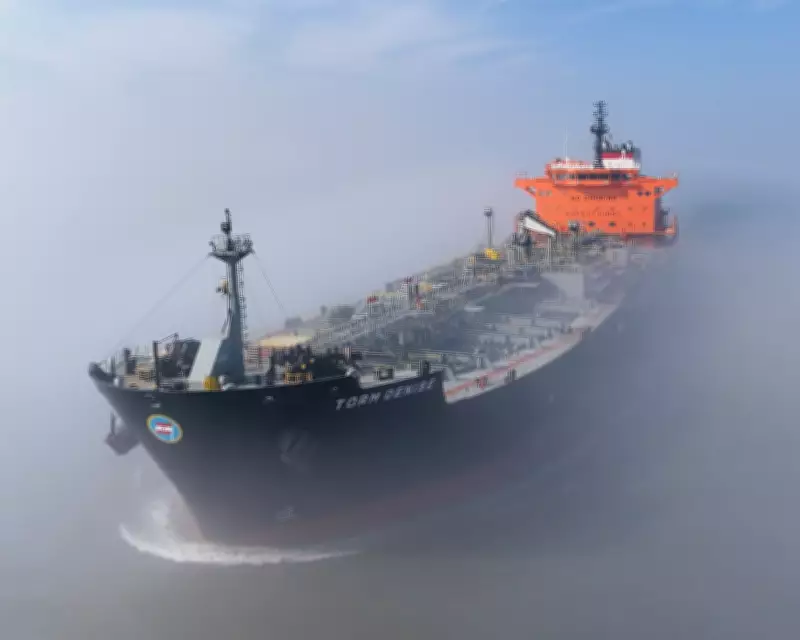
Oil prices reached $119 a barrel on Monday, marking the highest level since Russia's invasion of Ukraine in 2022. Analysts predict that if the Strait of Hormuz remains closed, prices could approach $150 a barrel, exceeding the 2008 record of $145.29. This critical shipping route handles a fifth of global seaborne crude oil and a third of key fertilisers, making its blockade by Iran a major disruption. Goldman Sachs notes this impact is 17 times larger than the peak disruption from Russian oil production in 2022.
The future depends on the duration of the closure and export diversion efforts. While Saudi Arabia is redirecting crude to Red Sea ports, bottlenecks trap most exporters, filling Gulf storage facilities and potentially forcing oilfield shutdowns. A short conflict might cool prices, but prolonged uncertainty could keep oil above $100 a barrel this year, according to Capital Economics.

Impact on Inflation and Economic Stability
The oil price spike arrives at a fragile moment for the global economy, just as central banks were nearing the end of interest rate normalisation. Instead of anticipated rate cuts, experts warn the conflict could prompt renewed borrowing cost increases. Higher energy costs are already pushing up fuel prices and household bills, with businesses likely to pass on expenses through supply chains.
Analysts hope to avoid a repeat of 1970s-style inflation spikes, citing grounded long-term expectations and reduced energy intensity in modern economies. Jim Reid of Deutsche Bank emphasises that lower unionisation and wage indexation lessen the risk of a wage-price spiral, but the threat remains significant.
Risk of Global Recession
With households and businesses already strained from previous inflation shocks, a renewed burst could damage consumer demand and economic activity. Fears of stagflation are mounting, where growth stagnates amid rising inflation. Ian Stewart of Deloitte highlights that higher energy prices have historically triggered western recessions, such as in 1973 and 1990, and could collapse growth rates again.
Increased borrowing costs and geopolitical uncertainty may further hinder business investment and trade, pushing fragile economies closer to recession.
Government Responses and Challenges
G7 countries are prepared to release emergency oil reserves to ease supply concerns. The US, largely energy-independent, and China, with vast stockpiles, are better positioned, while European nations, as net importers, face greater vulnerability. Governments are under pressure to enhance energy security, accelerate renewable energy transitions, and provide financial support for households and businesses.
However, high debt levels limit the capacity for expensive new programmes without risking bond market stability. Jordan Rochester of Mizuho describes this as a major energy supply crisis, complicating government responses in an already tense economic landscape.






