

Budget Watchdog Revises UK Economic Growth Forecast Downward for 2026
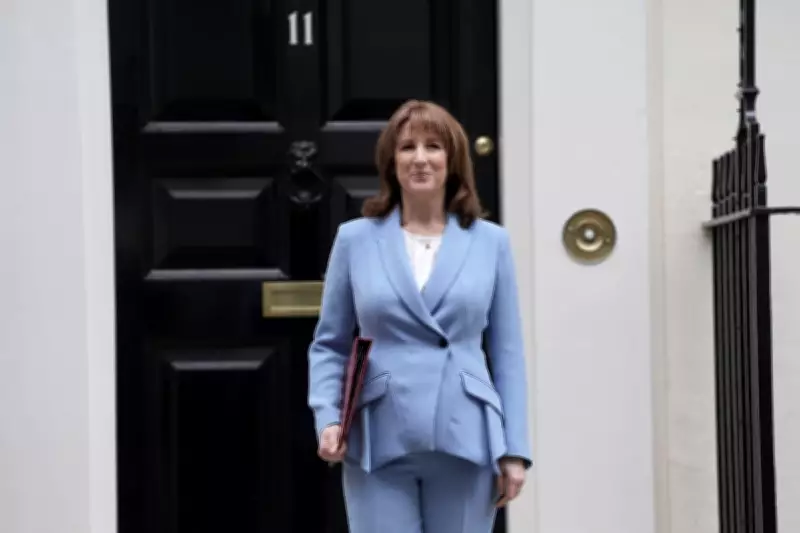
Chancellor Rachel Reeves has presented the latest economic forecasts from the Office for Budget Responsibility, which show a significant downgrade in growth expectations for the current year. The announcement comes against a backdrop of escalating tensions in the Middle East, with the ongoing conflict in Iran threatening to cast a long shadow over the UK's economic prospects.
Revised Growth Figures and Economic Outlook
The independent fiscal watchdog now predicts that gross domestic product will increase by just 1.1% in 2026, a notable reduction from the 1.4% growth forecast made in November of the previous year. This downward revision represents a substantial adjustment in economic expectations for the near term.
However, the OBR's projections offer some positive news for subsequent years, with upgraded forecasts for both 2027 and 2028. The watchdog now anticipates growth of 1.6% in each of those years, up from the previous estimate of 1.5%.

Chancellor's Response to Economic Forecasts
Addressing Members of Parliament during her spring statement, Chancellor Reeves defended her government's economic strategy despite the less optimistic short-term outlook. "This Government has the right economic plan for our country," she asserted, "a plan that is even more important in a world that in the last few days has become yet more uncertain."
The Chancellor pointed to several positive indicators within the OBR's report, stating: "The new forecasts from the Office for Budget Responsibility confirm that our plan is the right one – inflation is down, borrowing is down, living standards are up and the economy is growing."
Key Economic Indicators and Government Analysis
Ms Reeves provided additional context for the revised growth figures, noting that the changes in GDP forecast accounted for a recent decline in net migration. Despite the downgrade for 2026, she emphasized that average growth across the next five years remained "largely unchanged" from previous projections.
The Chancellor did acknowledge areas for improvement, stating: "But I am not yet satisfied with these forecasts." She recognized that "the economy is not yet working for everyone" and committed to further economic reforms.
Other significant economic indicators highlighted in the statement included:
- Unemployment is projected to peak later this year before declining annually throughout the forecast period, ending at 4.1% – lower than at the start of the current Parliament
- Public borrowing is expected to reduce by nearly £18 billion compared to autumn forecasts
- Public sector net borrowing is forecast to fall progressively from 4.3% this year to 1.8% in 2029-30
Policy Context and Future Directions
The Chancellor's spring statement notably contained no new tax or spending announcements, reflecting Ms Reeves' commitment to delivering just one comprehensive budget each year. This approach marks a departure from previous governments that often made multiple fiscal announcements throughout the year.
The economic update arrives at a particularly sensitive moment, with geopolitical tensions in the Middle East creating additional uncertainty for global markets and supply chains. The Chancellor's emphasis on maintaining a steady economic course despite these external pressures underscores the government's commitment to long-term stability over short-term political gains.
As the UK navigates these challenging economic waters, the debate over fiscal policy and growth strategies is likely to intensify, with opposition parties expected to scrutinize both the OBR's revised forecasts and the government's response to them in the coming parliamentary sessions.






