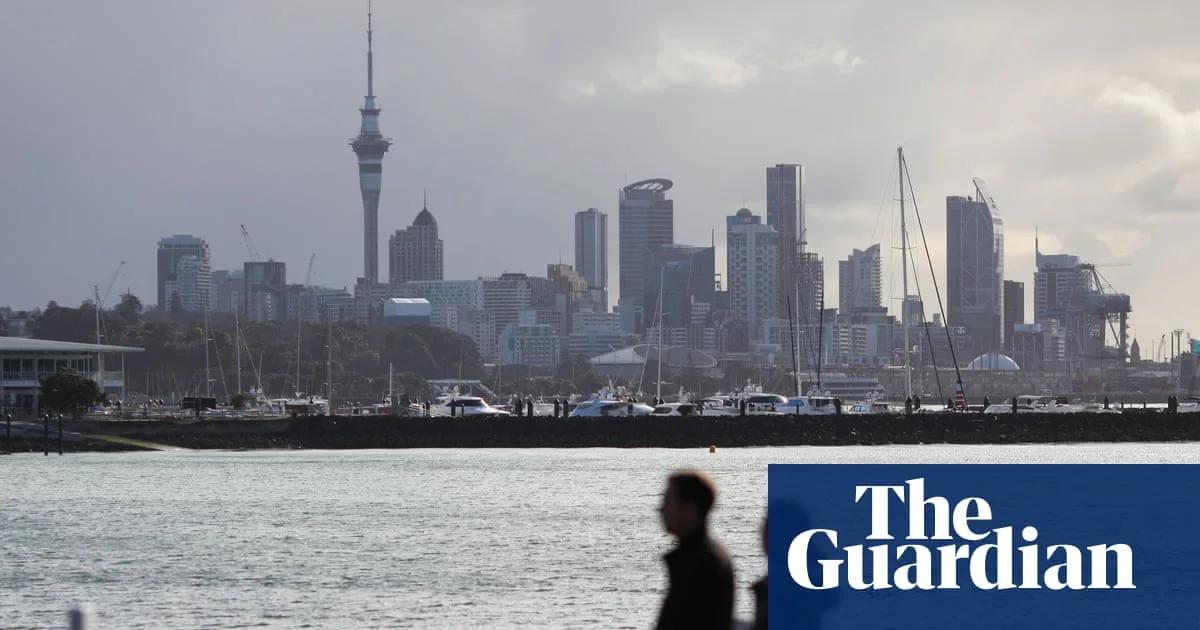
New Zealand's economic recovery, which was showing signs of improvement with growth expected to outpace Australia's, now faces a new threat from the Middle East conflict. The small, isolated nation is highly dependent on global trade and tourism, making it particularly vulnerable to energy shocks and supply chain disruptions.
Finance Minister Nicola Willis acknowledged the challenge, stating, 'We would far prefer this wasn't happening to the New Zealand economy, and it's not good for the New Zealand economy.' The economy and cost of living are central issues ahead of November's elections, and the war has created new uncertainty just as confidence was building.
New Zealand has endured a deep and prolonged economic trough since the pandemic, with recession, high inflation, job losses, and business closures. However, recent indicators suggested a turnaround, with GDP expected to have grown 1.6% in 2025 and projected to accelerate to 2.8% in 2026, according to Westpac, ahead of Australia's 2.5% forecast. The IMF also estimates New Zealand's growth will overtake Australia's in 2026.

Key indicators have 'started to really turn up,' said Kelly Eckhold, chief economist at Westpac New Zealand, citing rising job adverts and workforce growth. Strong export demand, particularly for meat and dairy, a tourism surge, and interest rate cuts reducing mortgage rates have also supported recovery. However, the US-Israel war on Iran has disrupted energy markets, raising oil prices by 45-50 cents per litre at the pump and threatening to derail progress.
Economists warn that New Zealand's small size makes it more susceptible to shocks. 'Because we're small, we get knocked around by shocks more,' said Shamubeel Eaqub, an economist. Australia, with a larger domestic economy, can absorb shocks better. While Westpac may reduce its 2026 growth forecast, Eckhold noted it is not yet a disaster, but the economy could 'pause for a quarter or so while the dust settles.'