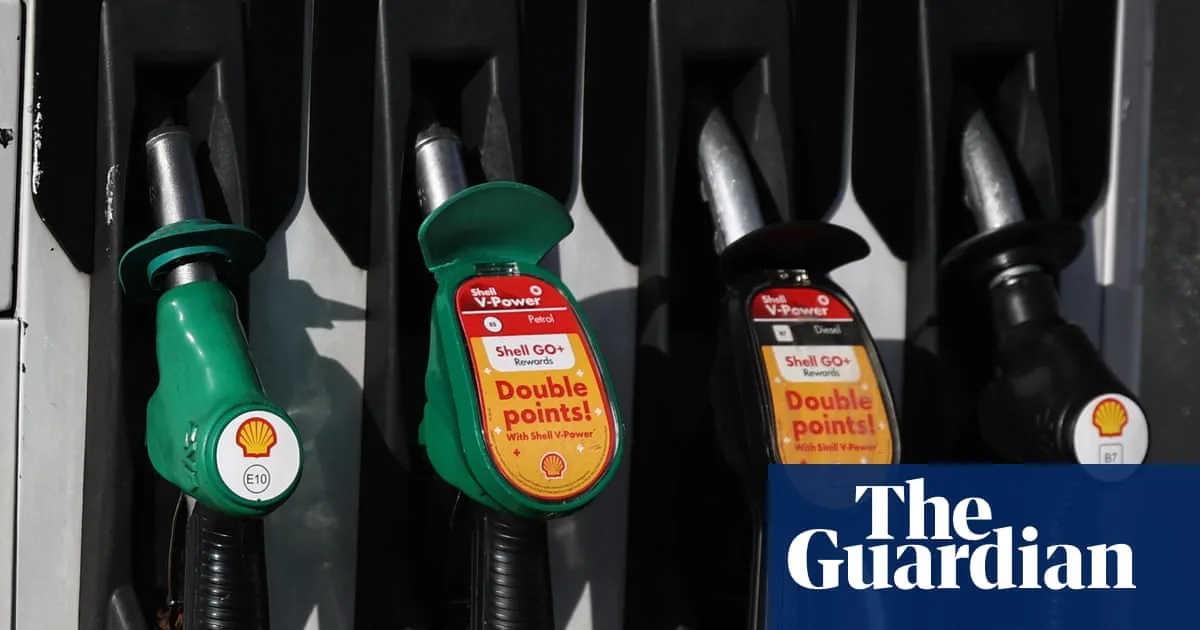
The ongoing conflict in the Middle East has disrupted global supply chains, leading to price increases across fuel, flights, and other sectors in the UK. Brent crude oil prices jumped 10% to $82 per barrel on Monday before easing to $78, with the AA warning that record fuel prices could hit within two weeks.
In Northern Ireland, where nearly two-thirds of homes use oil for heating, some suppliers have increased prices by over a third. The average price for 500 litres rose from £307 in February to as much as £425, according to the BBC. Irish Taoiseach Micheál Martin condemned any price gouging, noting that Ireland's oil comes from the North Sea.
Flight prices between Europe and Asia have surged after the closure of major Middle East hubs led to thousands of cancellations. Commodities analyst Michelle Wiese Bockmann reported fares of €2,400 to €3,600 for flights to London, calling it “worse than the pandemic.” Private jet operators have also raised prices, with one charging £20,000 per seat from Oman to Milan.
Supermarket prices have not yet increased, but experts warn of knock-on effects from the closure of the Strait of Hormuz, which disrupts shipping and halts a fifth of global oil and gas supplies. Grain prices are rising, and Asian shrimp, dried fruit, and nuts will require longer, costlier routes to Europe. However, if Brazil reroutes beef and poultry from the Middle East to Europe, prices for those items could fall.
Leading maritime insurers have cancelled war risk cover for vessels in the Gulf, with rates potentially rising by 50% to 100%. Marcus Baker of Marsh warned that insurance costs could increase from 0.25% to 1% of the insured asset's value.