Middle East Turmoil Poses Dual Financial Threat to UK Households
Escalating instability in the Middle East has dominated global headlines this week, with significant implications for personal finances in the United Kingdom. As Business and Money Editor Karl Matchett outlines in the latest Independent Money newsletter, the geopolitical unrest threatens to push up both energy bills and mortgage rates through interconnected economic channels.
The Direct Impact on Energy Costs
The immediate financial concern stems from disruptions to oil and gas supplies. Recent events including tanker incidents near Iran and production shutdowns in Qatar have hampered global energy flows. When supply constraints meet sustained demand, prices inevitably rise.
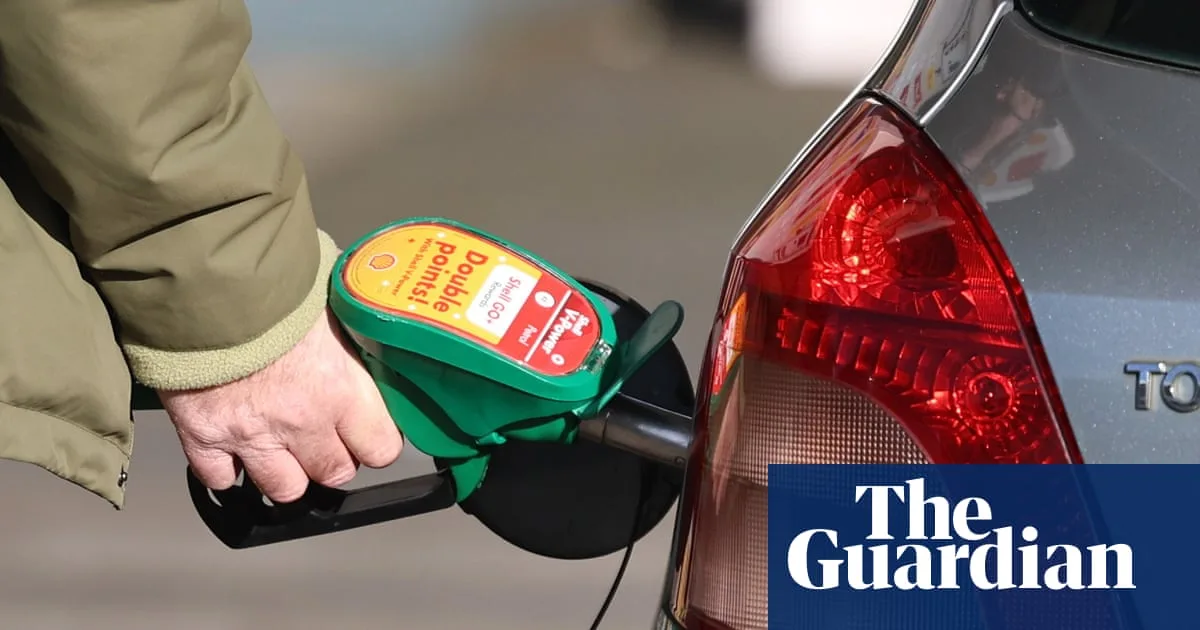
Higher oil prices translate directly to increased costs for petrol at the pumps, transportation fuels, heating energy, and production materials. This creates a ripple effect throughout the economy, potentially driving up the end prices of consumer goods.
For UK households, the most tangible impact will likely be felt through the energy price cap. While those using heating oil might see immediate effects, all consumers face potential increases when the cap is reviewed in July. The cap calculation incorporates wholesale energy prices, which are sensitive to global market fluctuations.
Fortunately, the increased integration of renewable energy sources should prevent a return to the extreme price spikes witnessed in 2022. However, any upward movement still represents additional financial pressure on already strained household budgets.The Secondary Effect on Mortgage Rates
The connection to mortgage rates operates through inflation dynamics. If rising energy costs contribute to broader price increases across the economy, inflation could begin climbing again—just as it approaches the Bank of England's 2% target.
In response to resurgent inflation, the Bank of England might reconsider its interest rate strategy. Instead of anticipated cuts in March or April, policymakers could potentially vote to raise rates once more to maintain price stability.
This monetary policy shift directly affects mortgage markets. Some lenders have already withdrawn their most competitive deals, while swap rates—which influence mortgage pricing—are trending upward. Financial experts anticipate further rate increases from providers in the coming week.
Practical Financial Guidance
For homeowners approaching the end of fixed-term mortgage deals, securing the best available rate early remains prudent advice. Most agreements allow borrowers to lock in new terms up to six months before their current deal expires, providing flexibility to switch if better options emerge later.
The situation remains fluid, with oil prices and stock markets demonstrating significant daily volatility. While precise outcomes are unpredictable, understanding these financial transmission mechanisms helps households prepare for potential challenges.Beyond economic considerations, humanitarian concerns underscore the urgency for regional de-escalation. Stabilization would benefit both global security and personal finances across the UK.