Middle East Conflict Threatens Rachel Reeves' Economic Plans, Economists Warn
Middle East Conflict Threatens Rachel Reeves' Economic Plans

Middle East Conflict Poses Major Threat to Chancellor's Economic Strategy

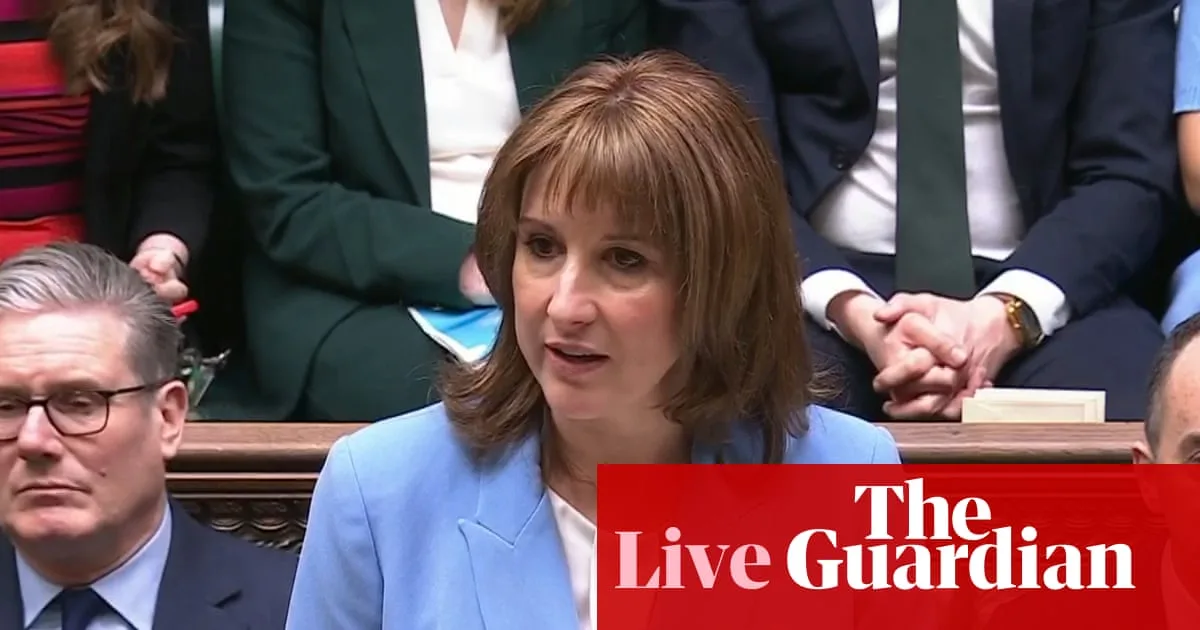
Chancellor Rachel Reeves' plans to conquer inflation and rekindle economic growth could be severely undermined by the escalating Middle East conflict, leading economists have warned. This caution comes as the independent Office for Budget Responsibility prepares to release its spring forecast, which is expected to show the public finances moving in a positive direction.

Energy Price Surge Creates New Economic Headwinds

Global energy markets experienced dramatic turbulence on Monday, with benchmark European gas prices soaring by more than forty percent and Brent crude oil surging six percent per barrel. These sharp increases stem from mounting fears about potential supply disruptions resulting from the widening conflict in the Middle East.

Mujtaba Rahman of the consultancy Eurasia Group emphasised the severity of the situation, stating, "Just when Reeves thinks the economy is on a slightly more even keel, the government is now confronting a crisis that's completely outside its control. It creates another massive headwind. The two areas they've trumpeted the most are the cost of living and interest rates, and those are the two areas of the economy that are now most at risk."

Wide Pickt banner — collaborative shopping lists app for Telegram, phone mockup with grocery list

OBR Forecasts and Fiscal Position

The upcoming Office for Budget Responsibility projections are anticipated to reveal that the public finances continue to progress in the right direction. Chancellor Reeves is expected to maintain the approximately twenty-two billion pound fiscal buffer she established against her fiscal rules during November's budget, with this figure likely remaining largely unchanged.

In her statement, the Chancellor will assert that she possesses "the right economic plan for our country, in a world that has become more uncertain." She plans to emphasise stability and continuity following the tumultuous period preceding last autumn's budget, declaring that "because of the decisions we have already taken, we have a stronger and more secure economy. Inflation and interest rates are falling. And in every part of Britain, working people are better off."

Inflation and Interest Rate Concerns Intensify

James Smith, chief economist at the Resolution Foundation thinktank, highlighted the direct implications of the Gulf crisis, explaining, "The inflation outlook is higher; the cost of living pressures are greater – particularly if the conflict continues for any length of time. It depends on how permanent it all turns out to be."

Financial markets have already adjusted their expectations dramatically. Prior to the commencement of the US bombing campaign, markets had priced in an eighty percent probability of an interest rate cut at the Bank of England's next policy meeting on March nineteenth. By late afternoon on Monday, this probability had plummeted to just above fifty percent.

Historical Parallels and Policy Implications

Chris Beauchamp, chief market analyst at trading platform IG, drew concerning parallels with the energy price shock that followed Russia's invasion of Ukraine. "Hopes that pricing pressures would ease and consumers could spend more could be dashed, as a price spike similar to 2022 causes a major headache for both policymakers and consumers, potentially disrupting the plan for more UK rate cuts," he cautioned.

The Liberal Democrats have urged immediate action, calling on the Chancellor to cancel September's planned increase in fuel duty to help families cope with potential price surges. Daisy Cooper MP, the party's Treasury spokesperson, argued, "With fuel prices poised to soar as a result of Trump's war with Iran, it would be disastrous for Rachel Reeves to press ahead with a fuel duty hike in September. It's the least she can do to help families weather the storm."

Broader Economic Context and Risks

Since the autumn budget, economic growth has proven weaker than anticipated, with GDP expanding by just 0.1% in the final quarter of 2025. However, more recent business surveys have indicated a somewhat more positive outlook for the coming months.

Pickt after-article banner — collaborative shopping lists app with family illustration

The Office for Budget Responsibility's forecast will incorporate the lower yield on UK government bonds observed since the budget, which benefits the public finances by reducing borrowing costs for the Treasury. Unfortunately, this favourable movement now appears threatened by the Middle East conflict, as evidenced by a modest gilt sell-off on Monday that pushed ten-year yields up by five basis points to 4.28%.

Economists stress that while the OBR projections may show improvement in the public finances, they could rapidly become outdated if the current surge in oil and gas prices persists. The Chancellor and her team have been banking on additional interest rate cuts in coming months to stimulate business investment and consumer spending, but these hopes now face significant uncertainty due to external geopolitical factors beyond government control.