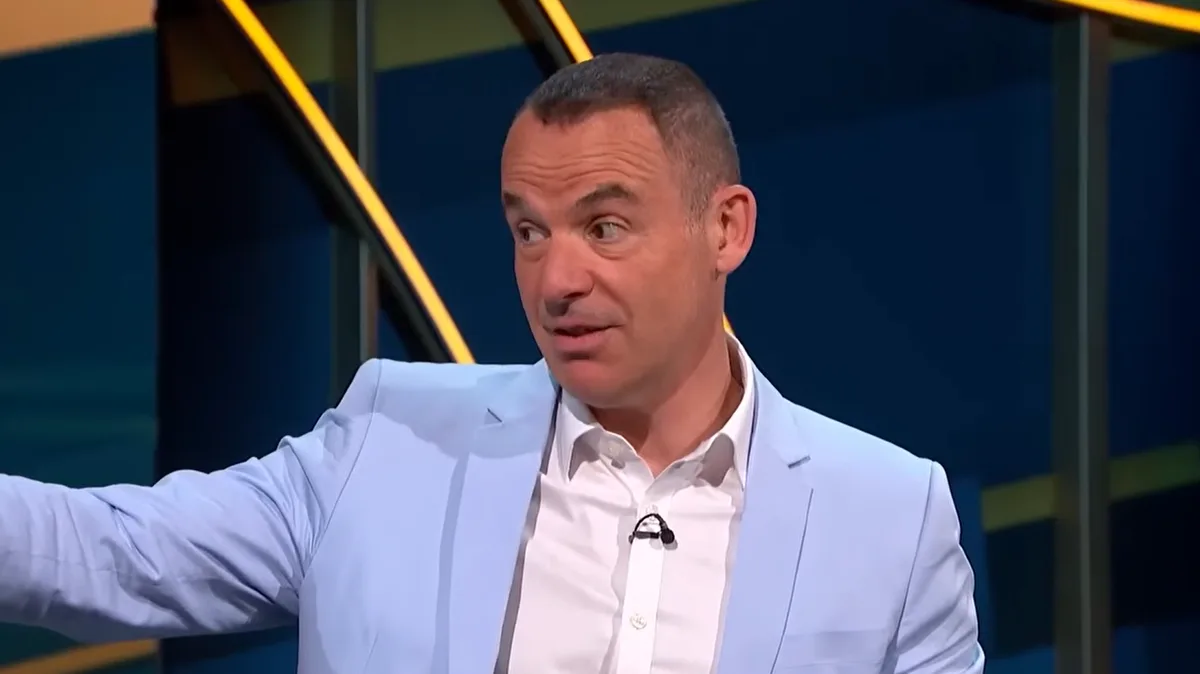
Martin Lewis Warns Unmarried Couples of Inheritance Tax Pitfalls
Martin Lewis Warns Unmarried Couples on Inheritance Tax

Personal finance expert Martin Lewis has issued a stark warning to unmarried couples living together, highlighting the significant inheritance tax disadvantages they face. Speaking on his BBC podcast, Lewis recounted a remarkable encounter with a taxi driver on his way to the studio.

The father-of-one said the driver, known as Joe, proudly displayed his wedding ring and explained that he and his partner had married because of Lewis's advice. The reason was inheritance tax. Joe had let his wife listen to the relevant Martin Lewis podcast, which revealed how much their children would miss out on if they died without being married.

The Benefits of Marriage for Inheritance Tax

Lewis explained: "I thought it might be worth explaining to you what the benefit of marriage within the inheritance tax world is, and it's actually pretty substantial. When we talk about marriage, it applies to anyone who is married or who has a legal civil partnership."

Wide Pickt banner — collaborative shopping lists app for Telegram, phone mockup with grocery list

He stressed that this does not apply to cohabiting couples. "That was the thing with Soho Joe, the taxi driver; he and his partner had been cohabiting for 33 years, but they didn't have any legal representation of their relationship."

Lewis noted that a legal recognition of your relationship, such as a civil partnership, provides legal recognition without what some might see as the "paternalistic religious overhang" of marriage.

Two Major Inheritance Tax Benefits of Marriage

Lewis outlined two key benefits:

  • Assets left to your spouse are not taxed – When you die, any money, property, or assets left to your spouse are automatically exempt from inheritance tax.
  • You can pass on your unused inheritance tax allowance to your spouse – This allowance can then be used by your spouse, ultimately benefiting your children.

Lewis elaborated: "You don't pay inheritance tax on the first £325,000 you leave when you die. Above that, if you're leaving your main residence to your direct descendants—children, grandchildren, or stepchildren—you usually get another £175,000 on top. So that's £500,000 that you can leave without paying tax."

"If you leave everything to your spouse when you die, you haven't used any of those allowances, and they get passed on to your spouse. That means when your spouse passes away, their allowance and yours combined—if you're leaving the main property—allow them to leave a million pounds without paying any inheritance tax. That's a huge benefit."

Example: Married vs. Unmarried Couples

Lewis gave a clear example: two people with £1 million in assets, including a property. For an unmarried couple, when the first dies, they leave everything to the other, using up their £500,000 allowance. The surviving partner then has £1 million in assets but only a £500,000 allowance, leaving £500,000 taxed at 40%—a £200,000 tax bill.

In contrast, for a married couple with the same assets, the first dies and passes everything to the spouse, along with the unused allowance. When the second dies, they can leave the entire £1 million to their children inheritance tax free, saving £200,000.

Lewis concluded: "That's why it's often worth looking at getting married or a civil partnership, which counts in exactly the same way."

Pickt after-article banner — collaborative shopping lists app with family illustration