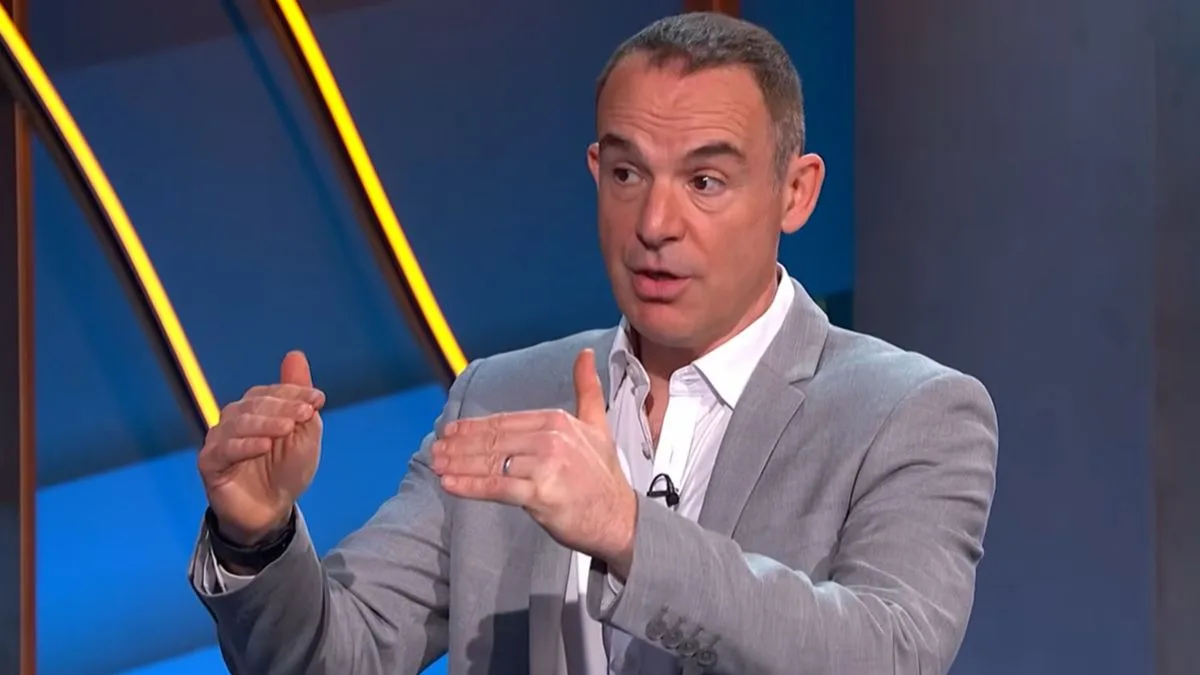
Martin Lewis Explains State Pension 10-Year Rule as 'Nothing Counts'
Martin Lewis has offered comprehensive guidance on understanding state pension entitlement, addressing a listener's query on his BBC podcast about National Insurance contributions. He also discussed how state pension rules could evolve in the future, including the possibility of transitioning to a means-tested system.
Understanding the Basics of State Pension Eligibility
To qualify for the full new state pension, individuals typically need 35 years of National Insurance contributions. The current weekly rate stands at £241.30, amounting to £12,547.60 annually. These figures increased by 4.8 per cent in April under the triple lock mechanism, which guarantees annual rises aligned with the highest of 2.5 per cent, inflation, or average earnings growth.
A podcast listener inquired about paying to cover gaps in her NI record, as she had two years of missing contributions due to studying and living overseas. At age 36, purchasing these two years would bring her total to 10 years. She questioned whether it was worthwhile to buy them now, given she will likely accumulate the required 35 years over her working life.
The 10-Year Minimum Rule and Its Implications
In response, Martin Lewis clarified the essential rules, emphasising that the minimum number of years required to receive any state pension is 10. He stated: "That is the minimum. If you have less than 10 years, nothing counts." He highlighted the benefits of topping up NI contributions, noting that an extra year can add approximately £360 annually to one's state pension.
Purchasing a single National Insurance year generally boosts entitlement by £6.89 weekly, or roughly £358 yearly. The cost varies by tax year: for the previous two tax years, you pay the original rate, while earlier years require the current year's rate. Current rates include £956.80 for the 2026/2027 tax year and £907.40 for 2024/2025.
Assessing Individual Situations and Future Risks
Mr Lewis advised the listener to check her state pension projection online via gov.uk to see if she is on track for the full amount. He explained that if she is, buying extra years might be overkill, as exceeding the 35-year threshold does not increase payments. He cautioned against a common misconception: "Many older people complain saying, I've now got enough for my full state pension, why do I have to keep paying National Insurance? That's because National Insurance is a tax in reality."
However, he noted an exception for purchasing years cheaply, such as part-years costing as little as £15, which could be worthwhile for future security. Given her age of 36, he warned of risks, including the potential for the state pension to become means-tested in 30 to 35 years. He said: "There are big risks for you that the state pension might become means tested once you're older. We don't know that... but you're talking about retiring in 30 to 35 years, and who knows what will be happening."
Upcoming Changes and Political Considerations
Changes to state pension access are underway, with the qualifying age rising gradually from 66 to 67 between April 2026 and April 2028, and further increases from 67 to 68 scheduled between April 2044 and 2046. Concerns also exist about the triple lock being replaced with a less generous mechanism, though Labour has pledged to maintain it throughout this Parliament.
Mr Lewis emphasised that maxing out your state pension can be "completely unbeatable" in terms of returns due to the triple lock, but younger individuals should be aware that "the current system could change" before retirement. He recommended careful consideration of individual circumstances and staying informed through official channels.