

Global Economic Shockwaves from Iran War: From India to Japan
The US-Israeli war on Iran has unleashed profound economic reverberations across the globe, with billions of people, particularly in Asia, already grappling with severe repercussions. As Tehran retaliates by closing the vital Hormuz shipping lane and bombing oil-rich neighbours, the International Energy Agency has labelled this the largest supply disruption in global oil market history. While Europe and the Americas brace for impacts, the crisis is compounding hardships for businesses and families worldwide, from restaurant closures to petrol rationing.
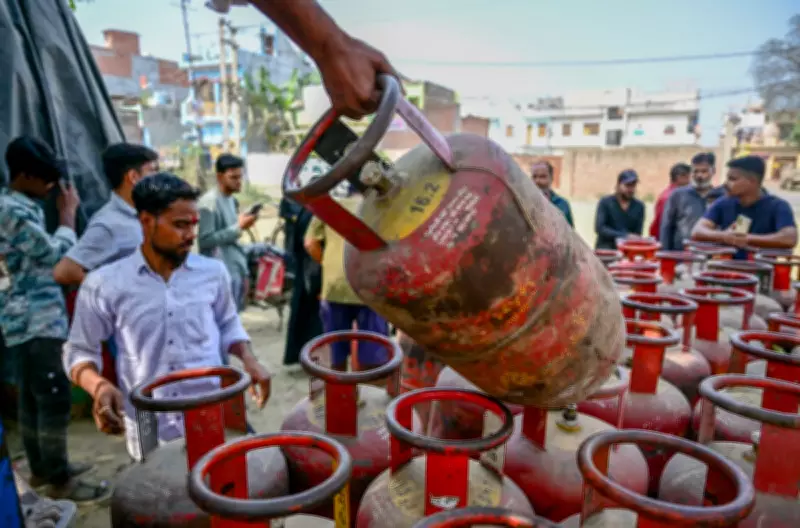
Shrinking Restaurant Menus and Gas Shortages in India
In India, the restaurant sector is operating under severe constraints, with about a third of establishments significantly affected. Sagar Daryani, president of the Restaurant Association of India, which represents half a million restaurants, described the situation as a "thin line between fighting today to survive tomorrow." Many restaurants are cutting hours, shrinking menus by removing slow-cooked dishes to conserve gas, or shutting down entirely. This crisis has highlighted India's cooking fuel vulnerability, as the country imports nearly 90% of its oil and half its gas, much from the Gulf. The rupee recently posted its biggest plunge in four years due to soaring energy prices threatening economic growth.
Tourism Collapse and Flight Cancellations in Thailand
Thailand's tourism-dependent economy is reeling, with inquiries for trekking tours in Chiang Mai dropping from 30 to just three per day. Suwarin Nantaya of Chiang Mai Trekking reported widespread cancellations as tourists fear flight disruptions. About 1,000 Thailand-bound flights have been cancelled, and the tourism ministry predicts that an eight-week airspace closure could result in 600,000 fewer international arrivals and losses of 41 billion baht. Hotels, restaurants, and souvenir shops are experiencing unprecedented quiet, exacerbating economic strain.

Petrol Rationing and Economic Hardship in Sri Lanka
Sri Lanka has reverted to a QR system for fuel rationing, reminiscent of the 2022 economic crisis. Long queues form daily as drivers, including autorickshaw operators like Nissanka Lakshman, struggle with limited allocations. Lakshman, who needs 6-9 litres daily but receives only 15 litres weekly, lamented cutting meals and being unable to provide three daily meals for his children. The crisis has sparked frustration over government preparedness, with citizens feeling the pinch of global conflicts far beyond their control.
Security Fears and Targeted Attacks in Europe
Europe has witnessed a spate of attacks, including an improvised explosive device at the US embassy in Oslo and explosions at synagogues in Belgium and the Netherlands. While causing minor damage and no injuries, these incidents have heightened security fears among Jewish communities amid rising antisemitism. Officials are investigating potential links to Iran, with Belgium's prime minister noting concerns about "terror cells directed by Iran." Experts describe this as part of a propaganda war, demonstrating Iran's global reach.
Airfare Surges and Fuel Price Hikes in South Africa
South Africa's coastal airports saw jet fuel prices jump 70% in one week, prompting airlines like Fly Safair to introduce dynamic fuel surcharges. Petrol and diesel prices are predicted to rise up to 25% and 44%, respectively, forcing the central bank to revise economic projections. The government may absorb some costs temporarily, but the energy shock is straining both consumers and businesses, highlighting the war's far-reaching economic tentacles.
Crisp Production Halts and Oil Shortages in Japan
Japan, which imports 90% of its oil from the Middle East, is feeling the effects through record pump prices and snack shortages. Yamayoshi Seika halted production of its popular Wasabeef crisps due to difficulties securing heavy oil for fryers, sparking social media outrage. The government is providing subsidies and releasing strategic oil reserves, but disruptions persist, underscoring how even minor consumer goods are vulnerable to global supply chain issues.

Fertiliser and Food Production Crises Across Asia
The war is disrupting fertiliser supplies, with up to 30% transiting through the Hormuz strait. The Food and Agriculture Organization warns that global fertiliser prices could rise 15-20% if the crisis continues, hitting intensive agricultural economies like Thailand, India, and Bangladesh hardest. One Indian fertiliser plant has shut down, threatening summer planting seasons. Farmers may cut back on fertiliser use, reducing yields and potentially driving them out of agriculture, creating a vicious cycle of food insecurity.
Bus Ticket Price-Gouging and Eid Travel Chaos in Bangladesh
During Eid, Bangladesh faced chaos as bus fares doubled due to fuel cost increases, leaving families stranded. Authorities capped fuel sales and deployed troops to prevent hoarding, but political tensions simmer as the new government navigates economic fallout. Any prolonged disruption threatens factories and daily life costs, risking wider public frustration in a nation sensitive to price hikes.
Winners and Losers: Energy Exporters and Russia's Gains
While many suffer, net energy exporters like Norway and Canada could benefit, though production limits may curb gains. Russia has reaped significant economic benefits, earning €6 billion from fossil fuel sales in the war's first fortnight. The shadow fleet evading western sanctions is thriving, with experts warning that global chaos is enabling authoritarian regimes to cash in, even as leaders prioritise stabilising oil prices.
In summary, the Iran war's economic shocks are rippling globally, affecting everything from daily meals to international travel, with Asia bearing the brunt of immediate impacts while the world grapples with long-term uncertainties.





