The UK's economic watchdog, the Office for Budget Responsibility (OBR), has warned that inflation could rise to 3% by the end of the year due to the US-Israel war in Iran. David Miles, a senior OBR figure, told the Commons Treasury committee that sustained higher energy prices would lead to a 'material, significant' increase in inflation, raising living costs for British households.
Oil prices surged above $100 a barrel before falling back to $85, while gas prices have risen by over 50% since the military action began. Miles estimated that if current prices persist, consumer prices could be 1% higher by year-end. Chancellor Rachel Reeves acknowledged the volatility, noting that petrol prices are 24% lower than the previous day, and emphasised the need to de-escalate the conflict.
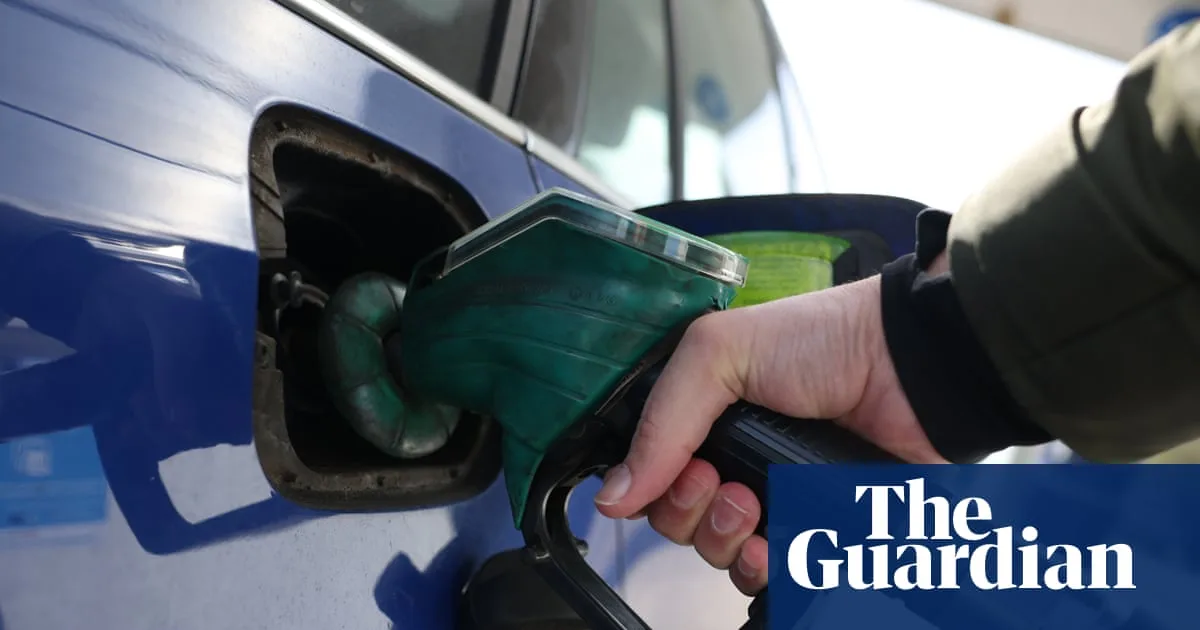
Fuel prices have risen at their fastest rate since 2022, with petrol up 3.5p to 135.67p per litre and diesel up 6.9p to 149.01p. Reeves has met petrol retailers to address concerns about 'price gouging' after some garages charged nearly 180p per litre. The government has made the cost of living a priority, including measures to cut energy bills.

The prospect of higher inflation has led the City to expect the Bank of England to hold interest rates at its next meeting, with some analysts suggesting borrowing costs may need to rise. Miles indicated that the government may face substantial costs to protect households from energy price rises, but noted that the chancellor has limited fiscal headroom of £23bn against her borrowing rules, compared to the £50bn cost of the previous energy price guarantee.