The International Monetary Fund has warned that a further escalation of the Iran war could trigger a global recession, with the UK set to suffer the sharpest growth downgrade among G7 nations. In its half-yearly World Economic Outlook, the IMF cut its 2026 growth forecasts for the US and global economy, citing the rising economic damage from the Middle East conflict.
The UK's growth forecast for this year was slashed by 0.5 percentage points to 0.8%, while inflation is expected to climb to almost 4% – double the government's 2% target. The IMF said the UK economy is particularly exposed to soaring energy prices and entered the conflict in a weaker position after sluggish growth at the end of 2025.
Under a worst-case 'severe scenario' involving a drawn-out war and persistently higher energy prices, the IMF said the world would face 'a close call for a global recession' for only the fifth time since 1980. In this scenario, global growth would collapse to about 2% this year, with oil prices above $110 into 2027.
UK Chancellor Rachel Reeves blamed US President Donald Trump for the impact of the war, calling it 'a folly' to start a conflict without clear objectives or an exit plan. 'The war in Iran is not our war, but it will come at a cost to the UK,' she said ahead of IMF meetings in Washington.
The IMF's central 'reference forecast' assumes disruption fades by mid-2026, with global growth falling to 3.1% in 2026. However, chief economist Pierre-Olivier Gourinchas warned that every day of disruption pushes the world closer to an 'adverse scenario' of 2.5% growth and 5.4% inflation this year.
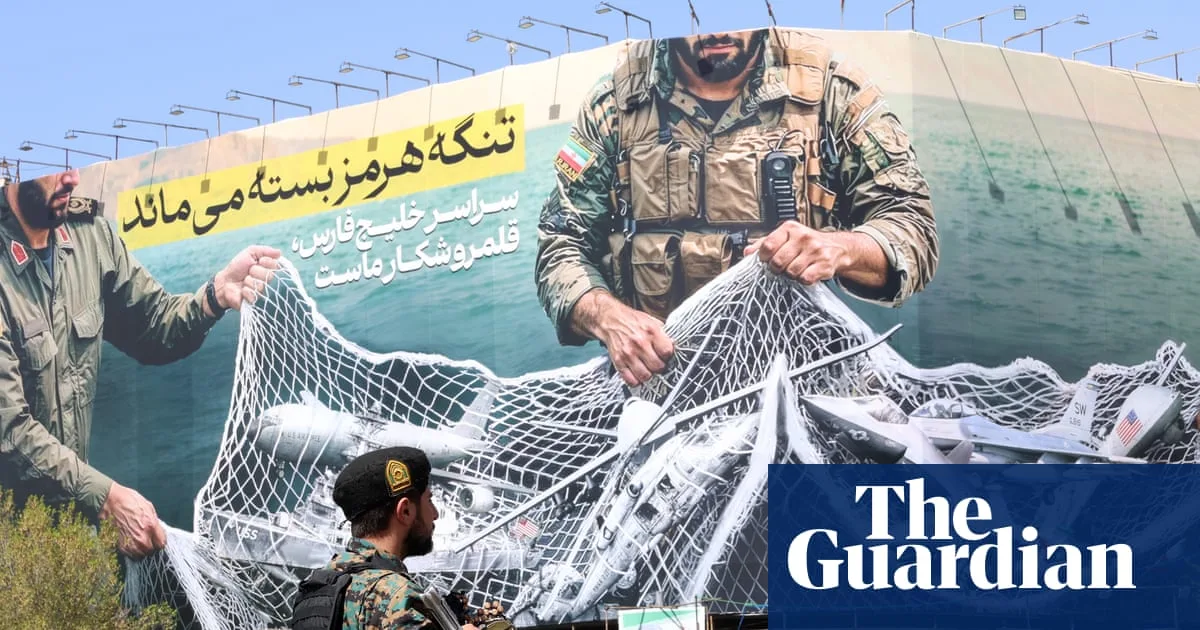
Oil prices remain volatile, with Brent crude dropping to about $95 a barrel on Tuesday amid hopes for further peace talks, after jumping above $100 earlier in the week following stalled US-Iran negotiations and a US blockade of the Strait of Hormuz.