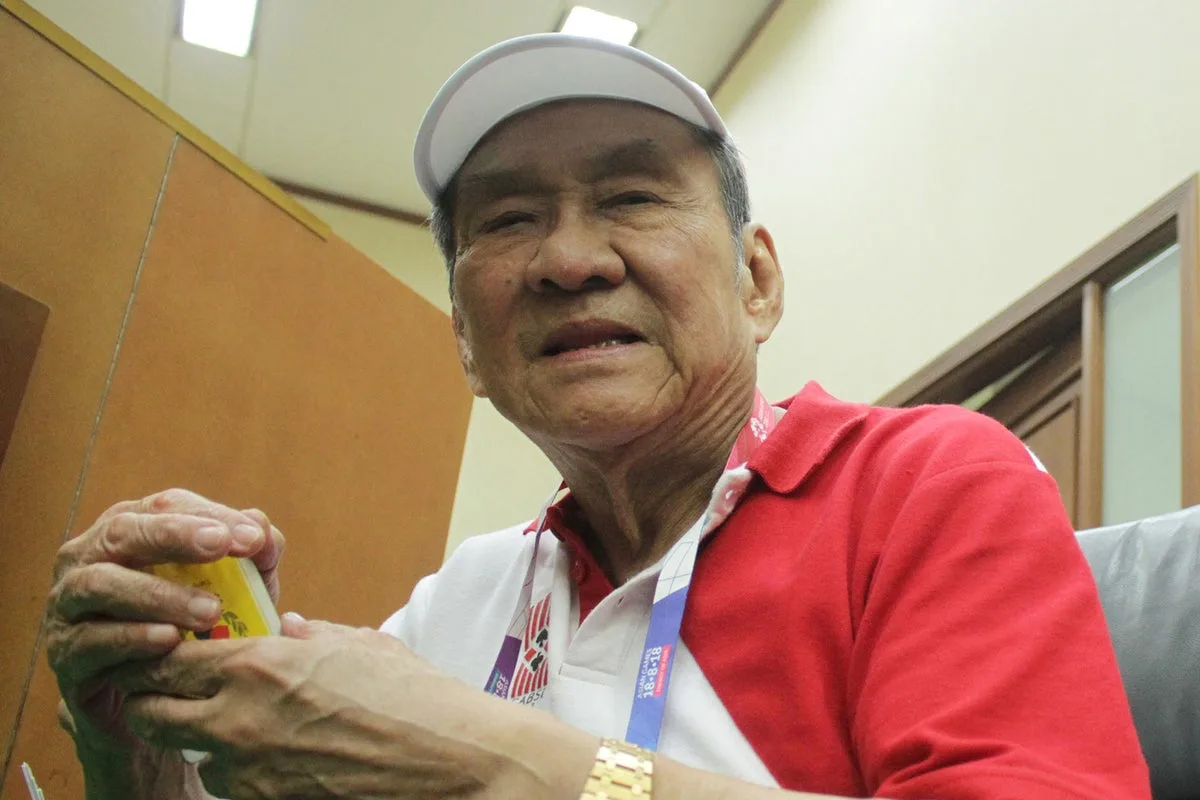
Michael Bambang Hartono, Indonesia's Richest Man and Tobacco Tycoon, Dies at 86
Indonesia's Richest Man Michael Hartono Dies at 86

Indonesia's Wealthiest Man Michael Bambang Hartono Passes Away at 86

Michael Bambang Hartono, Indonesia's richest individual and the tobacco tycoon who transformed the Djarum cigarette company into one of the nation's largest conglomerates, has died at the age of 86. The business magnate, who also served as a controlling shareholder of Bank Central Asia, Indonesia's biggest private lender, passed away on Thursday afternoon in a Singapore hospital.

Corporate Empire and Legacy

The Djarum Group confirmed the news in an official statement, expressing deep sorrow and gratitude for Hartono's decades of dedication and service. The family has not disclosed the specific cause of death, though Hartono had previously acknowledged suffering from chronic obstructive pulmonary disease and a heart attack.

Together with his brother Robert Budi Hartono, Michael inherited their family's tobacco business in 1963 following their father's death. From its base in Central Java's Kudus regency, the brothers expanded the enterprise into a sprawling conglomerate with interests across multiple sectors.

Wide Pickt banner — collaborative shopping lists app for Telegram, phone mockup with grocery list
Their diversified portfolio included:
  • Banking and financial services
  • Palm oil plantations and agricultural operations
  • Property development and real estate investments
  • Electronics manufacturing and telecommunications
  • E-commerce platforms and digital ventures

Tobacco Roots and Global Expansion

The Hartono brothers' flagship company, PT Djarum, produced numerous domestic and international cigarette brands, primarily focusing on kretek (clove cigarettes) including Djarum Black, Djarum Super, and L.A. Lights. Their first machine-made kretek, the Djarum Filter, launched in 1976, followed by the machine-rolled Djarum Super in 1981.

Today, Djarum's clove products are marketed as "filtered cigars" wrapped in tobacco leaf rather than black paper, a strategic adaptation following the U.S. Family Smoking Prevention and Tobacco Act that banned most flavored cigarettes. Approximately 60,000 workers continue to manually roll Djarum's cigarettes in their factories, with products primarily sold to lower-income consumers.

Financial Dominance and Major Projects

The Hartono brothers' combined net worth exceeded $43.8 billion, making them Indonesia's wealthiest individuals. Michael Hartono alone possessed approximately $25.1 billion as of December 2024, ranking him as the 76th richest person globally according to Forbes.

Their most significant banking asset is Bank Central Asia, Indonesia's largest bank, which generated revenue of 57.5 trillion rupiah ($3.43 billion) last year. In 2004, the brothers secured the rights to redevelop Jakarta's historic Hotel Indonesia, transforming the property into the Grand Indonesia complex featuring shopping malls, offices, luxury hotels, and apartments.

Sports Passion and Philanthropy

Beyond business, Hartono maintained a passionate involvement in sports. He served as president of the South East Asia Bridge Federation and received a 2017 award from the World Bridge Federation for his efforts to include bridge as a category in the Asian Games. At the 2018 Asian Games, Hartono represented Indonesia in bridge, winning a bronze medal with his team and becoming the oldest Indonesian Asian Games medal winner.

When honored at Indonesia's presidential palace for the nation's performance at those Games, Hartono received a reward of approximately $16,700, which he donated entirely to the development of his beloved card game.

The Djarum Group's sports investments include PB Djarum, one of Indonesia's most prominent badminton clubs whose players have won numerous world championships, and the Italian football club Como. The company also served as a major sponsor of Indonesia's top soccer league from 2005 to 2011.

Personal Life and Survivors

Born on October 2, 1939, Hartono grew up watching his father roll tobacco with native clove spice to create kretek cigarettes, named for the distinctive crackling sound of burning scented spice. He is survived by his wife and a son, leaving behind a legacy that transformed Indonesian business and touched multiple sectors of the nation's economy and culture.

Pickt after-article banner — collaborative shopping lists app with family illustration