

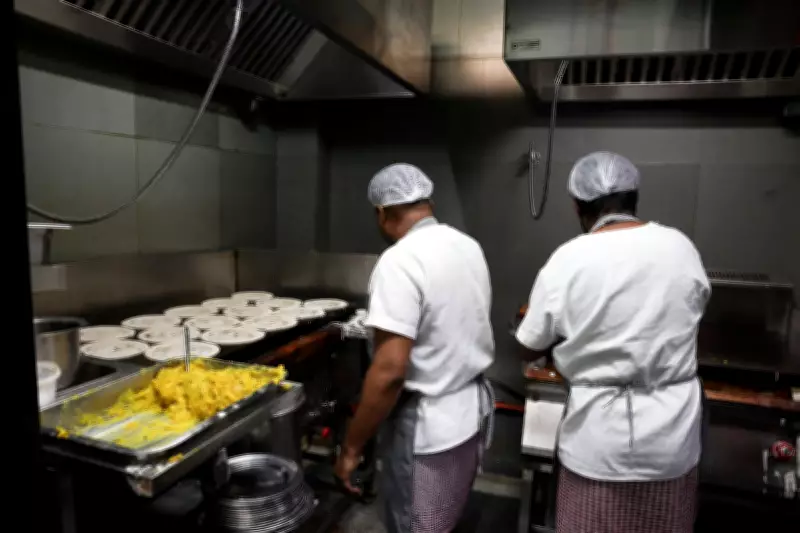
Indian Restaurants Face Closure as Iran War Triggers Cooking Gas Crisis
India's hospitality industry is confronting a severe operational crisis as a critical shortage of cooking gas threatens to force widespread restaurant and hotel closures across the nation. The scarcity of liquefied petroleum gas (LPG) is a direct consequence of the ongoing US-Israel conflict with Iran, which has severely disrupted maritime traffic through the Gulf and the vital Strait of Hormuz.
Emergency Measures and Industry Panic
As the world's second-largest importer of LPG, India invoked emergency powers last week, compelling domestic refiners to increase production for local consumption. However, this intervention has failed to alleviate the immediate supply crunch facing the hospitality sector. The disruption has sent global energy prices soaring and inflated transport costs, impacting major Gulf producers including Qatar and Saudi Arabia.
The National Restaurant Association of India, representing over half a million establishments, warned the government that "any disruption therein will lead to a catastrophic closure." Similarly, the Federation of Hotel & Restaurant Associations of India has urgently appealed for governmental assistance to avert an industry-wide collapse.

Restaurant Operations in Peril
Across India, restaurants are reporting critically low LPG reserves. Bert Mueller, founder of the California Burrito chain with over 100 outlets from Bengaluru to Delhi, revealed "We have LPG stock for two days. We are working on contingencies." His company is implementing conservation measures and installing induction stoves at select locations as a temporary alternative.
In Bengaluru, India's southern technology hub often dubbed the nation's Silicon Valley, the situation is particularly dire. Manish V Shetty, operator of the Udupi Food Hub restaurant chain, reported "One of our restaurants did not receive gas cylinders today." He noted that only immediate payment arrangements with older vendors prevented complete operational failure, alongside concerning price spikes for essential cooking oils.
Structural Vulnerabilities Exposed
The crisis has exposed fundamental vulnerabilities within India's restaurant infrastructure. Veerendra Kamat, secretary of the Bengaluru Hotels Association, explained that few establishments maintain LPG stockpiles due to safety regulations, instead relying on frequent cylinder replacements that have now become unreliable.
Ananth Narayan of the NRAI's Bengaluru branch described the situation as "very grave," noting that most gas companies have ceased supplies entirely. He warned that even restaurants with stored reserves could exhaust their supplies within one to two weeks, potentially bringing kitchen operations to a complete standstill.
Government Response and Market Impact
India's oil ministry has established a special panel to review LPG supply requests from affected industries following appeals from hospitality sector representatives. This bureaucratic response comes as Indian companies have implemented their first LPG price increases in approximately a year, reflecting the war-driven surge in import costs that satisfy two-thirds of India's annual LPG consumption.
The supply chain disruption has been exacerbated by production halts from Qatar, India's largest LNG supplier, following Iranian retaliatory strikes against Gulf nations. As authorities scramble to address the crisis, India's entire hospitality sector remains in a precarious position, with the potential for significant economic repercussions and widespread business failures if the gas shortage persists.






